Duke Heart week ending March 21st 2021
Rogers to Lead Texas Heart Institute; Will Leave Duke in May
 Joseph G. Rogers, MD, Chief Medical Officer of Duke University Health System and professor of medicine in the Division of Cardiology will leave Duke to become President and Chief Executive Officer of Texas Heart Institute in Houston, effective May 17, 2021.
Eric D. Wade, Chairman of the Board of Trustees at Texas Heart Institute (THI), announced the news on Tuesday afternoon in a news release. “Dr. Rogers possesses the skillful leadership and expertise that the THI needs during a pivotal moment in its history,” he said. “Rogers brings experience to lead THI’s mission to reduce the devastating toll of cardiovascular disease through innovative programs in research, education, and improved patient care.”
“This is a really wonderful opportunity at Texas Heart,” Rogers said. “It’s a chance to build on the foundation they’ve put together over many years. They’ve got a real vision to grow and to increase their impact not just in Houston but across the country. I’m honored and humbled to have been selected to lead that group.”
Rogers, who joined the Duke faculty in 2004, has been instrumental across the Heart Failure (HF) section and the University more broadly during his time here, according to Manesh Patel, MD, chief of the Division of Cardiology at Duke.
“Joe Rogers is a fierce advocate for patients and learners, and has routinely put the interest of others ahead of his own,” Patel added. “His passion for clinical excellence and innovation will continue on.”
In a statement to the cardiology faculty, Patel noted the many leadership roles Rogers has held at Duke, including as section chief of Heart Failure; Vice Chief for Clinical Affairs in Cardiology; Senior Vice Chair of Medicine; Associate CMO for Strategic Growth and Implementation and a member of the board of managers for the PDC; interim roles as the Chief of Cardiology and Chair of the Department of Medicine, and most recently, Chief Medical Officer for Duke University Health System.
“The chance to serve the Health System as CMO has been an enriching two-and-a-half years,” Rogers said. “I’ve learned an incredible amount about healthcare, about healthcare delivery, and management of a health care system. I am grateful to Bill Fulkerson and the other senior leaders of the health system for allowing me the chance to learn from them. I’m grateful to Duke for allowing me to experience those opportunities.”
Of his time at Duke, Rogers went on to say, “First, I thank Duke Heart. It has been home for me since my arrival. It’s really the people who attracted me here in 2004 and in 2021 it’s the people I will miss.”
In the official Duke Health announcement to leadership, William Fulkerson, MD, Executive Vice President of Duke University Health System stated that, “Rogers was recruited to build a world-class heart failure program in partnership with surgical director Carmelo Milano, MD. Under their leadership, Duke’s Heart Failure & Heart Transplant program became one of the most productive clinical and research units in the nation. The program also provided medical and surgical training for a new generation of clinicians and expanded Duke’s influence into heart programs across the country and in Europe.”
Rogers has worked across the Duke Heart team to establish Duke as an international leader in cardiac transplantation and Left Ventricular Assist Device therapy. Through his leadership roles in clinical care and multi-center clinical trials, he was launched to international prominence with pivotal roles including his current position as President of the International Society for Heart and Lung Transplantation.
“Duke Heart has an incredible and unique culture,” Rogers added. “I think it allows the latitude to be creative and to be innovative and to explore clinical care, science and education. My hope for Duke Heart is that we never lose that spirit, because it really is what has distinguished Duke Heart internationally in cardiovascular medicine.”
Please join us in congratulating Joe! We look forward to celebrating with him during his remaining time at Duke as well as partnering with him in this next chapter of his career.
Fortin to Receive SOM’s 2021 Master Clinician/Teacher Award

Congratulations to Terry Fortin, MD who will receive the Duke School of Medicine Master Clinician/Teacher Award for 2021! The award was created for the purpose of honoring individuals for superlative accomplishment and service in the area of Medical School/Medical Center teaching and/or clinical care. The intent is to honor those individuals who have made an extraordinary commitment “above and beyond” normal expectations, and who you might consider an “unsung hero” at Duke.
Dr. Edward G. Buckley, Vice Dean for Education in the Duke School of Medicine, shared the news in an email to Fortin and Kathleen Cooney, MD, Chair of the Department of Medicine on Friday afternoon, adding “You certainly met the criteria and are most deserving of the honor.”
The award will be presented at the annual Faculty meeting. Due to the COVID-19 crisis, that date has not been set yet.
Congratulations, Terry, on a well-deserved award that captures a small amount of what you mean to our patients, trainees, and colleagues!
Home Based Cardiac Rehab Telehealth Program Launched
 Following a successful 20 patient pilot beginning in March 2020, Duke Heart launched the next phase of Home-Based Cardiac Rehabilitation with telehealth billing. The program allows for patients to benefit from a personalized exercise program via a mobile app, remote monitoring devices and group zoom sessions with an exercise physiologist.
Planning for a mobile program at Duke has been underway since 2018. Following a year and a half co-development with Pattern Health, a local app development company, Duke Heart has a groundbreaking home-based program offering. Our mobile cardiac rehab program will work to address barriers of participation and onsite rehab capacity constraints, which have only intensified with COVID-19 infection prevention measures, by providing patients the option of completing a hybrid of onsite and home-based rehab for the 36 sessions of cardiac rehab. The use of devices for remote monitoring offers the ability to monitor and record biometrics including steps, heart rate, and ECG rhythm strips.
Dr. William Kraus has been an extraordinary leader in this effort by providing constant direction for our internal program, as well as the national conversations occurring in this space. Many thanks for the expertise from advanced planning to daily execution of the program by Karen Craig, Sean Lowers, Beth Summers, Cathy Ritchey and Brian Duscha. Thanks to Maria Carroll who has led this project, and to Jill Engel and Manesh Patel for their continued support in this effort. Our colleagues in Digital Strategy, PRMO and Compliance have also been instrumental, including Donna Phinney, Julie Peele Breuer, Dion Brown, Marianne Durling, Deserae Brooks and Ally Alexander.
Great job, everyone! This opportunity will be critical to many of our heart patients over the coming weeks and months. Stand by for future updates as Duke partners with industry and other health systems to evaluate how this program might be a standard in cardiac rehabilitation care.
Daniel Friedman, MD, to Join Duke EP Faculty, Summer 2021
 Daniel J. Friedman, MD, will be returning to Duke University this summer to join the Cardiac Electrophysiology faculty in the Duke Heart Center. Dr. Friedman completed his internal medicine training at the Massachusetts General Hospital in Boston and completed his cardiology and cardiac electrophysiology fellowships here at Duke. He is also a graduate of the Duke Clinical Research Institute Fellowship Program. He is presently an Assistant Professor of Medicine at the Yale School of Medicine.
Clinically, Friedman is focused on the care of patients with complex heart rhythm disorders, especially those with atrial fibrillation and heart failure. He is an active clinical investigator with special interests in physiologic pacing (His & left bundle branch pacing), cardiac resynchronization therapy, subcutaneous defibrillator therapy, and the invasive treatment of atrial fibrillation. He has more than 70 publications in the field of heart rhythm medicine. His research has appeared in leading journals, including JAMA, JAMA Cardiology, JACC, and HeartRhythm. His practice in the Duke Health System will be split between Duke University Hospital and Duke Raleigh Hospital and Clinics. In addition, he will be an active member of the EP Section at the Durham Veterans Affairs Medical Center, where he will be focusing on the development of a left atrial appendage occlusion program for our veterans.
The Duke EP Faculty are thrilled to have Dr. Friedman returning to our program. We are confident that Dr. Friedman will make significant contributions to all aspects of our mission, including the delivery of state-of-the-art clinical care to the people of Wake County and North Carolina. We are also excited to see him continue his impressive track-record in the conduct of innovative and impactful clinical research.
Welcome the new member of the Nanna Family!
Giovanni “Gianni” Daniel Nanna was born 7 lbs, 3 Oz at 2:05 am today. Mike reports that they are already working on his baseball swing. Mom and baby are recovering and doing great! Congratulations to them and this is a special time to enjoy.
Shout-Out to Abraham!

Shout-out to Dennis Abraham – in a note from Lisa Clark Pickett, we learned of a great compliment DUHS received about him from a patient:
“Dr. Abraham is one of the most compassionate physicians I have encountered”
Pickett added that she was, “Delighted to read this lovely compliment about you on our Patient Satisfaction Survey. Thank you for providing such excellent, compassionate care!!!”
Way to go, Dennis!
Shout-out to Corley & Narcisse!
We learned this week of a challenging patient case in the ED earlier in the week; Ali Corley and Dennis Narcisse were there to troubleshoot. In a note to Anna Lisa Crowley:
“I wanted to let you know how awesome two of your fellows were last night. 
“We had a patient in the ED with high concern for a type a dissection who had an anaphylactic allergy to contrast preventing us from getting a CTA chest, pacemaker/ICD incompatible with MR for MRA chest and there were no ICU fellows or attendings in the hospital who were able to perform a TEE.
“Both Dennis and Ali spent no less than two hours helping troubleshoot and advocate for the  patient. They documented benefits>>risks for disabling the device for the MRA and one of them went to radiology with the patient in order to get the study done. They also helped with a bedside TTE looking for an arch dissection and helped interrogate the device to sort out a wide-complex tachycardia with aberrancy when the patient’s morphology changed and [the patient] dropped from severely hypertensive on arrival, to controlled with esmolol, to severely hypotensive off it.
This was one of the most stressful and logistically complicated cases I’ve had in residency that was littered with systems issues but they both really stepped up and our ED team appreciated how much they did. I suspect the patient and their family felt the same way.” — Pat Kelly, EM PGY2
Wow! Great job, Ali and Dennis!
Incoming Cardiology Fellow Awarded with Duke Golden Apple
 We learned this morning in a message to Anna Lisa Crowley from Saumil Chudgar, the Assistant Dean for Clinical Education in the Duke School of Medicine, that incoming first-year Cardiology fellow (and current Internal Medicine resident) Lonnie Sullivan, MD, was awarded the resident Duke Golden Apple award during the annual Duke SOM student faculty show, which was held virtually this year due to the pandemic.
The Golden Apple award is voted on annually by the Duke medical students to recognize resident, pre-clinical and clinical faculty for their teaching excellence and commitment to the Duke medical students.
The remaining Golden Apple awards were presented to:
- Clinical Faculty – Aimee Chung, MD
- Preclinical Faculty – John Roberts, MD
In the note to Crowley and the awardees this morning, Chudgar added: “We have such passionate and amazing trainees and faculty in the DOM, so it was great to see them recognized for their teaching excellence and their commitment to our students. Thank you to the awardees for all they do for our students.”
Way to go Lonnie!
Reminder: Vote! Best Hospitals Survey Open Through 26th
Voting for U.S. News Best Hospitals is open in Doximity through March 26, 2021. To vote, physicians can visit Doximity.com or the survey page on Doximity.com. The survey will display until the physician votes or the survey closes.
COVID-19 Updates:
All the latest official DUHS information regarding coronavirus/COVID-19 response at the following locations:
Upcoming Opportunities/Save the Date:
Cardiology Grand Rounds
Mar. 23: If You Build It… (They) Will Come – Advanced Therapies in ACHD with Jonathan Menachem of Vanderbilt University Medical Center. 5 p.m., Webex.
March 30: TBD
April 6: Management of POTS with Camille Frazier-Mills. 5 p.m., Webex.
April 13: Advancing Gender Equity in Global Cardiovascular Health Outcomes with Zainab Samad of Aga Khan University. 7:15 a.m., Webex.
April 20: Spontaneous Coronary Artery Dissection with Esther (Soo Hyun) Kim of Vanderbilt University Medical Center. 5 p.m., Webex.
April 27: Cardio-Oncology: Moving Forward in 2021 with Daniel J. Lenihan, Director, Cardio-Oncology Center of Excellence, Washington University in St. Louis. 5 p.m., Webex.
Upcoming (Virtual) 2021 Duke Heart CME
We have dates set for three upcoming virtual symposia; registration is not yet available.
May 14: Duke Sports Cardiology & Sudden Death in Athletes Symposium. Course directors are Jim Daubert and Bill Kraus.
October 8: Duke Advanced Heart Failure Symposium. Course director is Richa Agarwal
November 5: 13th Annual NC Research Triangle Pulmonary Hypertension Symposium. Course directors are Terry Fortin and Jimmy Ford (UNC).
Six-Part Mental Health Webinar Series Available Through April
Mar. 31: Understanding and Preventing Suicide in Adults. 4-4:30 p.m. Hosted by the Department of Psychiatry & Behavioral Sciences and led by associate professor Nathan Kimbrel, PhD (Link below)
This is the fourth in a six-part webinar series, “Taking Care of Yourself and Your Loved Ones,” for all Duke University and Duke Health community members and their families. The 30-minute topical webinars provide practical expert advice on topics including emotional wellness, substance misuse, suicide prevention, and mental health for children, adolescents and teens.
The webinar series runs through April 27. Learn more, watch past webinars and join upcoming webinars: http://bit.ly/DukeMHSeries.
Have news to share?
If you have news to share with the Pulse readership, please contact Tracey Koepke, director of communications for Duke Heart at tracey.koepke@duke.edu. We would love to hear about your latest accomplishments, professional news, cool happenings, and any events or opportunities that may be of interest to our Duke Heart family. Please call with any questions: 919-681-2868. Feedback on Pulse is welcome and encouraged.
Duke Heart in the News:
March 12 — Vanessa Blumer
tctMD
Women Treated for Acute HF Report Worse QoL Than Men
https://bit.ly/3lDwY8P
March 12 — Ann Marie Navar, Matthew Engelhard and Michael Pencina
tctMD
To Predict Mortality After MI, Machine Learning Needs Better Intel
https://bit.ly/3c1RdK7
March 12 — Brian C. Mac Grory (neurology)
Healio/Cardiology
AHA: Symptom recognition, data on treatment of central retinal artery occlusion lacking
http://bit.ly/3tIwOzZ
March 15 — Manesh Patel
WRAL NBC-5
Heart condition linked to COVID is sidelining otherwise healthy young athletes
https://bit.ly/3vJdJzh
March 16 — L. Kristin Newby
tctMD
Invasive Approach Best for Cocaine-Linked NSTEMI, but DAPT Is Key
https://bit.ly/30ZofnV
March 18 — Harry Severance
VNExpress.net
‘Vaccine passports’ shouldn’t be a passport to undue risk: experts
http://bit.ly/3s5fJzK
Duke Heart Week ending March 14th 2021
50th DCD Heart Transplant Performed at Duke Health
 The Duke Heart Transplant team performed their 50th Donation after Circulatory Death (DCD) heart transplant late last weekend at Duke University Hospital. The device used in the transplant procedure is the Transmedics Organ Care System (OCS), a device that circulates warm, oxygenated blood through organs. The OCS Heart system has not yet been approved by the FDA; it is still under investigational use at approximately 18 sites in the U.S.
“We are really happy to be at the forefront of research and innovation in heart transplantation and to be able to get our patients access to high quality organs despite not being in one of the larger U.S. metropolitan areas – like Los Angeles or New York City — where there are more donors and a much larger population,” said Adam DeVore, medical director of Duke’s Heart Transplant Program. “This means we are able to offer transplant to patients in a variety of statuses here in Durham and give them access to high quality organs earlier.”
Earlier access to a heart transplant could mean a better outcome for the patient – the sicker they get, the longer and potentially more difficult the recovery time for many patients.
The Duke team is a leader both in DCD heart transplant volume as well as enrollment into the EXPAND trial and DCD trial, both of which are in Continued Access Protocol (CAP) status, according to DeVore. The Duke team was the first in the U.S. to transplant an adult heart via the DCD donor method in December 2019 as part of the DCD clinical trial.
“We have now done 50 successful DCD heart transplants in 16 months, proving that we can expand the donor pool and transplant a good heart faster into patients who need them to survive,” said Jacob Schroder, surgical director of Duke’s Heart Transplant Program. “[In the past] we’ve talked about heart transplant as a supply-limited endeavor; that there are not enough donors. We believe, with DCD, the future is going to be demand limited.
“This should hopefully open up eligibility for heart transplant so that people who were passed over because they weren’t the “perfect” or ideal candidate can be considered for this life-saving therapy.”
DeVore credits a strong team dedicated to getting patients the care they need. “The absolute elbow grease, work and sweat that goes into this is incredible. We would not have gotten here without the work of Carmelo Milano and Chet Patel; and we have surgeons – Ben Bryner, Milano and Jacob Schroder – as well as research and perfusion team members — flying all over the place to get access to organs that can save lives. We have figured out how to do this and how to do it well, and it has been deeply rewarding.”
Congratulations to our Heart Transplant and Advanced Heart Failure team members – we are so proud of the work you’re doing!
Book Review: “A Funny Thing Happened on the Way to Stockholm”
 Having worked for Bob Lefkowitz, I was not surprised to hear he had created the autobiography, A Funny Thing Happened on the Way to Stockholm. Working with Randy Hall, Lefkowitz chronicles life events from childhood through to the present. I was not surprised because Lefkowitz is a superb story teller and it seemed natural, that at some point, he compile his many stories into a novel. I found the book to be captivating and humorous, and enjoyed it immensely (just as I have enjoyed listening to his many stories over the years). On one level, the book describes the many scientific discoveries in the world of receptor biology, which Lefkowitz accomplished as he progressed from the National Institutes of Health, through the Harvard system and finally to Duke University.
For example, he describes in detail his scientific activity during 1986 when, in a single year, nine different G-protein-coupled receptors and an important regulatory kinase were cloned and characterized. He credits luck and his research fellows frequently for the discoveries, yet it is apparent that his keen intellect, competitive spirit and tireless focus were the critical drivers. More generally, this is a walk through a very dynamic time for biochemical science in general, as the discovery of the structure of DNA and the genetic code enable a much more in-depth study of most processes. Indeed, the reader realizes that science does not reveal itself in a linear manner but rather in episodic periods of exponential growth — and Lefkowitz was very much at the center of one of the most productive periods. All of this culminates with his selection for the Nobel Prize in Chemistry in 2012. However, if the book were to only describe his scientific accomplishments and progressive ascent to the Nobel Prize, it would not be as interesting as it is.
For one thing, the book spends time discussing failures and frustrations that Lefkowitz experiences along the way. Some of these events relate to his scientific career, but many others are uniquely personal (and relevant to all of us). These sections are captivating as the reader does not expect to see this side of a Nobel Laureate. He gives the reader sound advice for dealing with life’s challenges. The Lefkowitz recipe for overcoming and persisting despite life challenges includes pragmatism, humor and reliance on strong friendships. Furthermore, the book is also a good read for future leaders. While his personal accomplishments are, of course, legendary, his ability to recruit, drive and develop young talent is an even a greater achievement. The book reveals many strategies to motivate and inspire greatness in others. These approaches are valuable for anyone developing a high performance team.
Also, it is fascinating that a premier basic scientist would devote so much discussion to clinical medicine. Indeed, many sections of the book describe clinical care scenarios that Lefkowitz encountered, most of which occurred before he became focused on basic science. He even at times laments his career turning away from direct patient care. These sections are entertaining and reinforcing for those of us who have remained in the doldrums of patient care, and don’t dream much of the Nobel Prize. Furthermore, a great deal of discussion relates to his own health conditions and those of his parents. These sections are particularly interesting since we get to see health care from the patient perspective where anxiety and depression can compound physical ailment. In this reading, health care workers can appreciate that they are brokering a precious commodity. Perhaps this attention on health care is not surprising as these memoirs suggest that our health remains the greatest prize of all.” – Carmelo Milano, MD
A Funny Thing Happened on the Way to Stockholm, The Adrenaline Fueled Adventures of an Accidental Scientist by Robert Lefkowitz with Randy Hall was published in early February by Pegasus Books.
Murillo Awarded 2021 TSF Fellowship
 Alejandro E. Murillo, one of our cardiothoracic surgery residents, has been named the 2021 recipient of the Thoracic Surgery Foundation’s (TSF) Resident Research Fellowship Award for his project, Identification of Protein Biomarkers to Predict Cardiac Allograft Dysfunction after Ex-Vivo Normothermic Perfusion Storage. The fellowship provides support of up to $30,000 per year for up to two years. Murillo is a member of Carmelo Milano’s research lab. The TSF is the charitable arm of The Society of Thoracic Surgeons.
Congratulations, Alejandro!
AHA Triangle Heart Ball, March 19
The American Heart Association’s Triangle Heart Ball will take place virtually on Friday, March 19 at 7:30 p.m. The annual fundraiser features a silent auction and the AHA “Open Your Heart Appeal.” Tickets are free, but registration (secured with a credit card) is required so that you can bid on auction items and/or make an open donation. The silent auction opens Tuesday, March 16 at 8 a.m. and closes Friday, March 19 at 9 p.m.
To register, please visit: https://event.gives/triangleheartball and make sure to list Duke Heart as your company. This event is sponsored locally by Duke Heart, UNC Health and LeithCars.com.
Reminder: Vote! Best Hospitals Survey Open Through 26th
How to Vote: Voting for U.S. News Best Hospitals is open in Doximity through March 26, 2021. To vote, physicians can visit Doximity.com or the survey page on Doximity.com. The survey will display until the physician votes or the survey closes.
COVID-19 Updates:
All the latest official DUHS information regarding coronavirus/COVID-19 response at the following locations:
Upcoming Opportunities/Save the Date:
Cardiology Grand Rounds
Mar. 16: Advanced Cancer is also Heart Failure Syndrome: Cardio-Oncology Including and Beyond Cardiotoxicity with Stefan Anker, Professor of (Tissue) Homeostasis in Cardiology & Metabolism at Charite Berlin. 7:15 a.m., Webex.
Mar. 23: If You Build It… (They) Will Come – Advanced Therapies in ACHD with Jonathan Menachem of Vanderbilt University Medical Center. 5 p.m., Webex.
March 30: TBD
April 6: Management of POTS with Camille Frazier-Mills. 5 p.m., Webex.
April 13: Advancing Gender Equity in Global Cardiovascular Health Outcomes with Zainab Samad of Aga Khan University. 7:15 a.m., Webex.
April 20: Spontaneous Coronary Artery Dissection with Esther (Soo Hyun) Kim of Vanderbilt University Medical Center. 5 p.m., Webex.
April 27: Cardio-Oncology: Moving Forward in 2021 with Daniel J. Lenihan, Director, Cardio-Oncology Center of Excellence, Washington University in St. Louis. 5 p.m., Webex.
Six-Part Mental Health Webinar Series Available Through April
Mar. 17: Understanding Adolescent Alcohol and Substance Use. 4-4:30 p.m. Hosted by the Department of Psychiatry & Behavioral Sciences and led by associate professor David Goldston, PhD. (Link below)
This is the third in a six-part webinar series, “Taking Care of Yourself and Your Loved Ones,” for all Duke University and Duke Health community members and their families. The 30-minute topical webinars provide practical expert advice on topics including emotional wellness, substance misuse, suicide prevention, and mental health for children, adolescents and teens.
The webinar series runs through April 27. Learn more, watch past webinars and join upcoming webinars: http://bit.ly/DukeMHSeries.
Have news to share?
If you have news to share with the Pulse readership, please contact Tracey Koepke, director of communications for Duke Heart at tracey.koepke@duke.edu. We would love to hear about your latest accomplishments, professional news, cool happenings, and any events or opportunities that may be of interest to our Duke Heart family. Please call with any questions: 919-681-2868. Feedback on Pulse is welcome and encouraged.
Duke Heart in the News:
March 8 — Duke University Health System
Gaston Gazette
‘BUSINESS North Carolina’ ranks CaroMont Health as third best in the state
http://bit.ly/3bCtShZ
March 9 — Adrian Hernandez
Bloomberg Government
HEALTH CARE BRIEFING: Study Offers Look at How Vaccines Compare
http://bit.ly/3tnD2VR
March 9 — Brian Mac Grory (Neurology)
Cardiovascular Business
‘A cardiovascular problem disguised as an eye problem’: Why CRAO requires immediate treatment
http://bit.ly/3vaQHBj
March 9 — Jill Engel
CTSNet
http://bit.ly/3bEEtZC
March 9 — Adrian Hernandez and Rob Califf
Bloomberg Law
Real-World Study to Offer Look at How Covid-19 Vaccines Stack Up
https://bit.ly/3qD5ZeC
March 10 — Michael Pencina and DCRI
Medpage Today
Machine Learning Adds Little to MI Prognostication
http://bit.ly/38AruGr
Division of Cardiology Publications Indexed in PubMed March 4–10, 2021
Arshad V, Samad Z, Das J, Almas A, Rashid N, Virani SS, Bloomfield GS, Jafar TH, Ahmed B. Prescribing Patterns of Antihypertensive Medications in Low- and Middle-Income Countries: A Systematic Review. Asia Pac J Public Health 2021;33(1):14-22. PM: 33084371.
Brezitski KD, Goff AW, DeBenedittis P, Karra R. A Roadmap to Heart Regeneration Through Conserved Mechanisms in Zebrafish and Mammals. Curr Cardiol Rep 2021;23(4):29. PM: 33655359.
Dong OM, Bates J, Chanfreau-Coffinier C, Naglich M, Kelley MJ, Meyer LJ, Icardi M, Vassy JL, Sriram P, Heise CW, Rivas S, Ribeiro M, Jacobitz R, Rozelle S, Chapman JG, Voora D. Veterans Affairs Pharmacogenomic Testing for Veterans (PHASER) clinical program. Pharmacogenomics 2021;22(3):137-144. PM: 33403869.
Fernandes F, Moreira CHV, Oliveira LC, Souza-Basqueira M, Ianni BM, Lorenzo CD, Ramires FJA, Nastari L, Cunha-Neto E, Ribeiro AL, Lopes RD, Keating SM, Sabino EC, Mady C. Galectin-3 Associated with Severe Forms and Long-term Mortality in Patients with Chagas Disease. Arq Bras Cardiol 2021;116(2):248-256. PM: 33656072.
Harrington RA, Ohman EM. Risk Stratification Science Goes to a New Level. JAMA Cardiol 2021;6(3):314-315. PM: 33295937.
Hartiala JA, Han Y, Jia Q, Hilser JR, Huang P, Gukasyan J, Schwartzman WS, Cai Z, Biswas S, Trégouët DA, Smith NL, Seldin M, Pan C, Mehrabian M, Lusis AJ, Bazeley P, Sun YV, Liu C, Quyyumi AA, Scholz M, Thiery J, Delgado GE, Kleber ME, März W, et al. Genome-wide analysis identifies novel susceptibility loci for myocardial infarction. Eur Heart J 2021;42(9):919-933. PM: 33532862.
Puffer ES, Healy EF, Green EP, Giusto AM, Kaiser BN, Patel P, Ayuku D. Family Functioning and Mental Health Changes Following a Family Therapy Intervention in Kenya: a Pilot Trial. J Child Fam Stud 2020;29(12):3493-3508. PM: 33664559.
Rosenberg P, Zhang H, Bryson VG, Wang C. SOCE in the cardiomyocyte: the secret is in the chambers. Pflugers Arch 2021;473(3):417-434. PM: 33638008.
Speakman JR, Yamada Y, Sagayama H, Berman ESF, Ainslie PN, Andersen LF, Anderson LJ, Arab L, Baddou I, Bedu-Addo K, Blaak EE, Blanc S, Bonomi AG, Bouten CVC, Bovet P, Buchowski MS, Butte NF, Camps SGJA, Close GL, Cooper JA, Creasy SA, Das SK, Cooper R, et al. A standard calculation methodology for human doubly labeled water studies. Cell Rep Med 2021;2(2):100203. PM: 33665639.
Tsai CF, Smith JS, Eiger DS, Martin K, Liu T, Smith RD, Shi T, Rajagopal S, Jacobs JM. Mass Spectrometry-Based Proteomics for Analysis of Hydrophilic Phosphopeptides. Methods Mol Biol 2021;2259:247-257. PM: 33687720.
Varma N, Cygankiewicz I, Turakhia M, Heidbuchel H, Hu Y, Chen LY, Couderc JP, Cronin EM, Estep JD, Grieten L, Lane DA, Mehra R, Page A, Passman R, Piccini J, Piotrowicz E, Piotrowicz R, Platonov PG, Ribeiro AL, Rich RE, Russo AM, Slotwiner D, Steinberg JS. 2021 ISHNE/ HRS/ EHRA/ APHRS collaborative statement on mHealth in Arrhythmia Management: Digital Medical Tools for Heart Rhythm Professionals: From the International Society for Holter and Noninvasive Electrocardiology/Heart Rhythm Society/European Heart Society. Ann Noninvasive Electrocardiol 2021;26(2):e12795. PM: 33513268
Weissler EH, Gutierrez JA, Patel MR, Swaminathan RV. Successful Peripheral Vascular Intervention in Patients with High-risk Comorbidities or Lesion Characteristics. Curr Cardiol Rep 2021;23(4):32. PM: 33666765.
Zhang S, Breitner S, Cascio WE, Devlin RB, Neas LM, Ward-Caviness C, Diaz-Sanchez D, Kraus WE, Hauser ER, Schwartz J, Peters A, Schneider A. Association between short-term exposure to ambient fine particulate matter and myocardial injury in the CATHGEN cohort. Environ Pollut 2021;275:116663. PM: 33581627.
Duke Heart Week Ending March 7th 2021
Highlights of the week:
Heart Highlights: Duke Heart Failure
To continue our celebration of accomplishments made throughout the past year, this week we are pleased to share highlights from the Duke Heart Failure team.
The Duke Heart Failure (HF) team has had a productive year across the clinical, research and educational domains. We wanted to share some important highlights from the overall group as well as the work of specific team members. Like each of the other sections, our team rose to the challenge of caring for our patients during the COVID pandemic. We reached the important milestone of completing 1500 heart transplants since the program’s inception; 104 of those were performed in the past year alone — which is a record for our program. The team also implanted 100 LVADs. Thank you to our LVAD and transplant coordinators, social workers and case managers as well as our world-class surgical team members for all their work this year.
The site-based research team, including Stephanie Newbold, Kim Biever, Lacey Taylor and Gayle Challinor, had an outstanding year of recruitment, retention and high-quality data. With Tracy DeWald as the site PI and Kim Biever as the lead CRC for TRANSFORM-HF, the Duke team is the trial leader for recruitment. The HF research group also leads the country in recruitment for SPIRRIT. The team has enjoyed working with the various site PIs and wanted to highlight Chris Holley’s interesting HAMR trial investigating cell free DNA and additional pathology staining to predict AMR.
Also on the research side, our basic/translational teams (located in the Cardiovascular Research Center) have excelled this year.
- Sudar Rajagopal’s lab had a productive year including the discovery of a novel paradigm of signaling by GPCRs in a high-impact publication in Science (DOI: 10.1126/science.aay1833).
- Dennis Abraham was involved with multiple important research efforts and publications this year aimed at investigating pathogenic molecular mechanisms in HFpEF.
- Chris Holley has had an excellent year leading his basic science lab focused on the role of non-coding RNA (ncRNA) in CV disease, including a fruitful collaboration with Neil Freedman in the atherosclerosis space. Holley has also branched out into translational studies in heart transplantation, including the HAMR study noted above and a project working with Lauren Truby and Svati Shah to study the etiology of primary graft dysfunction.
- Paul Rosenberg’s research group has continued their focus on a novel calcium-signaling pathway called store operated-calcium entry (SOCE). Notably, work published this year identified how SOCE supports a novel conduction pathway in coronary sinus cardiomyocytes. Elimination of the SOCE pathway in cardiomyocytes predisposes mice to atrial fibrillation (Cell Calcium 2020: 87:102163-9) and (Pflugers Arch. 2021 Feb 27:1-18).
 Jonathan Stiber’s research continues to focus on the role of the protein Drebrin in smooth muscle phenotype switching and atherosclerosis. He has been instrumental in enhancing the HF presence and clinical care at the Durham VA.
- Ravi Karra’s research group has made important progress in their research focused on the intersection of regenerative biology with cardiovascular disease. They have recently discovered a myovascular niche that regulates growth and regeneration. In collaboration with the UK Biobank, they have pioneered the application of Mendelian randomization to regenerative biology and have provided the first evidence that regenerative factors can regulate human cardiac growth. Ravi has been instrumental in leading a number of clinical efforts to apply precision medicine to patients with CV disease, such as those with amyloid and sarcoid.
On the clinical research side, a number of faculty have led important clinical trial and outcomes research projects.
- Adrian Hernandez became the Executive Director of the Duke Clinical Research Institute and led a number of efforts focused on the organization’s strategic vision, innovation and inclusivity. He was on the leadership team for multiple HF trials including the global VICTORIA trial of vericiguat, which recently received FDA labeling.
- Mike Felker became the leader of the CV Therapeutic Area at DCRI, co-led Transformation Team efforts at DCRI and was on the leadership team for multiple HF trials that reported over the past year including the global GALACTIC-HF trial of omecamtiv mecarbil.
- Steve Greene and Mike Felker were recently awarded funding from Novartis for an investigator-initiated pilot randomized trial testing whether sacubitril/valsartan can decrease risk of cardiac injury following COVID-19. This exciting trial, named PARACOR-19, aims to kick off in the coming weeks, and will help inform whether entresto may offer cardioprotection for post-COVID patients.
- Rob Mentz began serving as the HF Section Chief in January where he has worked hard to help improve strategic planning and communication broadly within the group. He has helped lead a number of clinical trials including TRANSFORM, HEART-FID and PARAGLIDE and also became the Editor-in-Chief of the Journal of Cardiac Failure in December.
- Adam DeVore transitioned into the role of Medical Director of the Cardiac Transplant program with tremendous growth in clinical volumes and research initiatives. He also led multiple large clinical research programs through the DCRI. One notable highlight was serving as PI and completing enrollment for CONNECT-HF, a large-scale, pragmatic, cluster-randomized trial of 161 sites and 5647 patients evaluating heart failure quality improvement initiatives.
- Richa Agarwal has led a number of clinical and educational efforts that have improved the formal didactic curriculum in HF

Richa Ajarwal and enhanced the trainee experience. She serves as a clinical research mentor for several CV and Advanced HF fellows, and has enjoyed an expanding role with resident education in the Department of Medicine. She is highly supportive of DEI efforts to improve the training environment for all. She will transition into a role as the Advanced HF Fellowship Program Director from Mike Felker on July 1, and looks forward to preserving the Duke tradition of excellence in developing future leaders in HF and Transplant. She is an educational consultant for Abbott, and recently joined the Editorial Board at the Journal of Heart and Lung Transplant. She is site co-PI for the ARIES study in LVAD patients to determine the safety of an antiplatelet-free regimen in the HM3.
In addition to the diverse contributions related to research and clinical activities noted above, the HF faculty have contributed substantially to efforts that have improved patient care throughout the region.
- Joe Rogers led critical efforts focused on the DUHS COVID-19 response as Duke’s Chief Medical Officer. He has also served as President of the International Society for Heart & Lung Transplantation during this time.
- Jason Katz has helped lead important efforts for the CICU expansion with enhanced focus on improved patient care and comprehensive educational efforts. He also co-led the important work to improve the clinical care of our LVAD patients.
- Stu Russell has led remarkable progress to improve collaboration in HF care at Wake Med. This has resulted in 66 patients receiving either LVADs or transplants in the 3 years that he has been at Wake Med. He also co-led quality improvement initiatives to improve the clinical management of our patients with LVADs. He continues to do research with the ARIC and WHI investigators.
- Chet Patel helped lead efforts that yielded the highest transplant volumes for the program to date with important innovations including use of the Transmedics Organ Care System and Donation after Circulatory Death hearts (Duke became the first U.S. program to transplant a DCD heart in December, 2019). With these advances, in October, the program crossed an important milestone of 1500 heart transplants. Patel is leading a number of initiatives across the Department of Medicine focused on care delivery, quality and practice alignment across divisions and throughout the health system.
- Mike Blazing is continuing efforts on planning a move to the new clinic space at Arringdon as well as facilitating adaptive strategies to optimize patient interactions with providers with televisits and safety protocols at the clinics. He also continues to meet weekly with the communications center to address scheduling, triage and message handling issues.
- Michel Khouri has helped lead cardio-oncology efforts to improve cardiovascular risk stratification of cancer patients and
 enhance the referral and management processes for clinicians. He has helped establish Duke as a regional leader in cardiac amyloidosis care and research.
 - Kishan Parikh has led efforts at Duke Raleigh focused on pulmonary hypertension and heart failure care. More broadly across Duke University Health System, he has led efforts to create an unexplained dyspnea program. He has also helped lead research efforts focused on EHR-based identification of patients with HFpEF, TR, and pulmonary hypertension.
Our nurse leaders in the outpatient clinics have really elevated to the challenges of this year with Karol Harshaw-Ellis and Midge Bowers increasing clinical volumes while leading important patient-centered efforts on HF care outside of the traditional healthcare settings and leading educational efforts locally and on the national stage. Carolyn Lekavich has been busy on the clinical side while also launching a productive research career focused on deep-phenotyping in HFpEF.
Marat Fudim joined the faculty in July and has launched a number of new initiatives. The heart failure group started a new heart failure remote monitoring clinic and as part of Marat’s efforts in the cath lab, we have expanded the hemodynamic investigation of patients with suspected or confirmed heart failure. Marat aims to expand site-based research in the heart failure and cath cluster with a focus on early phase device and diagnostic modalities. In an acknowledgement of his achievements to date he will receive the 2021 Zipes Award from the ACC at this year’s Scientific Sessions.
Steve Greene became a faculty member in July and has joined the Same-Day Access Clinic leadership team where he has helped lead efforts involving a data-driven approach to improved medication titration for guideline-directed medical therapies. He has also worked to increase utilization of the Same-Day Access clinic by engaging multiple groups within Duke Health, including the hospitalist services and the emergency departments at Duke University and Duke Regional hospitals.
Our nurse clinicians Jennifer Lewis and Martha Anders have gone above and beyond with extraordinary care during the challenges of this past year. Their superb clinical care, attention to detail and stellar communication skills have helped countless patients and remain pivotal to our program’s success. We also welcomed Leilani Gomez to the team who has quickly gotten up to speed to help enhance outpatient HF care. Many other nurse clinician and PA leaders have helped effectively provide exceptional patient care this year including Mike Strub and Kathryn Hord. Kudos to the 2F/2G nursing team as well as the nurse leaders at South Durham and Duke Raleigh.
Notably, Doug Schocken recently retired from Duke with a tremendous legacy of clinical care, education and research. Author or co-author of more than 200 papers, abstracts, books chapters and two books, he is usually quite modest about his contributions. He has been a mentor to trainees and faculty nationwide. When queried about his favorite professional accomplishments, Doug cited his role as Chair of the first AHA Scientific Statement on Prevention of Heart Failure (2008), his service to AHA at many levels of leadership, his term as President of DUCCS (1997-1999), his Presidency of the American Society of Preventive Cardiology (2006-2008), creating the Cardio-Oncology Clinic at Moffitt Cancer Center (1995), and presenting and moderating many sessions at HFSA annual meetings since the inaugural event in Baltimore (1994). In addition to these important achievements, he received the AHA National Scientist/Volunteer of the year in 2002 and the AHA Science Advocate of the year in 2007. He may be ‘retired’ but will continue with activities involving the section and division.
Our APP teammates have been critical to the clinical care, research and educational work this year. Stephanie Barnes has  taken on the role as the Clinical Director for Advanced HF Services. She is working closely with the HF team to help led efforts focused on improving the quality of care for our HF patients and focusing on programmatic development for the VAD program. Barnes also served on a committee for AAHFN. Notably, the Cardiology APPs are currently partnering with CEPD to revise the HF educational offerings. Sara Black and Rio Landa have been teaching HF classes for nursing staff. Black revised the HF orientation pathways and education documents for inpatient Cardiology APPs, highlighting important advances in the field and reflecting current research and best practices.
Many inpatient cardiology APPs published HF specific papers or presented HF topics at local or national meetings including Stephanie Barnes, Jaime McDermott, Callie Tennyson, Todd McVeigh and others. In fact, “Sodium–Glucose Cotransporter-2 Inhibitors for Heart Failure: The New Kid on the Block,” by McDermott, Tennyson and Elizabeth Bell-McClure, was just published this weekend in the Journal for Nurse Practitioners. Also on the nursing leadership side, Bradi Granger has helped lead mentorship for nurse trainees performing research and has collaborated with the team on QI efforts.
Mara Watson with the pharmacy team has been working with James Henderson (cardiology pharmacist), Alexis Nanni (PGY1 Pharmacy Transplant Resident), and Adam DeVore on a research project, “Effect of Time-to-Therapeutic (TTT) Tacrolimus Range on Early Rejection and Renal Dysfunction after Heart Transplant.” Cody Carson has been getting involved with more research and QI projects with the HF group. Most notable thus far, she has been assisting with the creation of the Epic Heart Failure Dashboard and providing pharmacy insight for the ongoing QI project aimed at improving HF GDMT prescribing for patients admitted to non-cardiology Services. She is also coordinating the annual Cardiology Pearls Noon Conference CE presentation to educate non-cardiology pharmacists and pharmacy learners on updates in cardiology pharmacotherapy. Kristen Fischer (PGY2 Cardiology Pharmacy Resident) is currently completing a study evaluating warfarin requirements post-discharge in newly implanted LVAD patients, which James Henderson and Cody Carson are precepting.
Finally, we have to thank our three incredible advanced HF fellows this year: Rahul Loungani, Amanda Coniglio and Hirak Shah. They have been exceptional partners. It seems inappropriate to group them all together with a description, but they each have such tremendous knowledge and clinical acumen. They are top notch team players and it has been a true pleasure to work with them. Rahul will join the Piedmont HF team, Hirak will join the University of Kansas, and Amanda will complete her last year of clinical and research training (having been involved with her HF year early). Thank you for your hard work thus far (and through the end of June).
In closing, we thank the entire HF Section for their efforts across the different domains of clinical care, education and research over the past year. Outstanding work!
Kisslo Dissection Course Held
 During February, the annual two-part Kisslo cardiac dissection course was held. Joe Kisslo and several sonographers, including Danny Rivera and Alicia Armour, have taught this course 1-2 times per year for more than 20 years! The sessions are attended by cardiac anesthesia, pediatric cardiology, veterinary cardiology (from NC State), occasional UNC cardiology fellows as well as our cardiology fellows and biomedical engineering students. Dr. Kisslo also teaches this course at other institutions in the U.S. and internationally.
In Dr. Kisslo’s words, “These are not just four valves and four chambers, but are in-depth explorations of anatomy and function… and application of these findings to cardiac surgical procedures. Nothing like holding a heart in your hands! Most of all, they are tons of fun.”
Shown here are four of our cardiology fellow attendees, Matt Carlisle, Cara Hoke, Dan Loriaux, and Sarah Snow. On behalf of our cardiology fellows, Dan writes:
“Although it will be impossible to fit an adequate thank you into a single paragraph, we all wanted to take a moment to highlight the tremendous effort that went into making this year’s dissection possible. From Dr. Kisslo’s leadership, Danny’s dissection skills, and all of the preceptors who volunteered their weekends to teach us through Zoom-linked and socially-distanced classrooms, the preparation and planning that went into orchestrating this course in the midst of COVID was truly exceptional. We honestly cannot thank Dr. Kisslo and the full dissection team enough! It was an incredible course. THANK YOU from everyone who was fortunate enough to attend the heart dissection course this year!”
Great work, everyone!
Kudos to Valencia and the Landa’s!
 Duke Raleigh offered their first “Pop-Up” Covid-19 vaccine clinic last weekend for the Latinx population in Raleigh. The Duke Raleigh outreach team was in need of Spanish-speaking providers to assist with vaccinations. Diane Sauro put out the SOS to the team and Kelly Valencia from Cardiology and Rio Landa, team lead in Cardiology (as well as Israel Landa, MD, at Duke Regional) answered the call. Although Rio ultimately was unable to join in helping, Kelly and Israel were both able to go on behalf of our team. Both reported enjoying their time helping the community. Big kudos to them as this was 100 percent volunteer driven.
Well done, team!
AHA Triangle Heart Ball, March 19
The American Heart Association’s Triangle Heart Ball will take place virtually on Friday, March 19 at 7:30 p.m. The annual fundraiser features a silent auction and the AHA “Open Your Heart Appeal.” Tickets are free, but registration (secured with a credit card) is required so that you can bid on auction items and/or make an open donation. The silent auction opens Tuesday, March 16 at 8 a.m. and closes Friday, March 19 at 9 p.m.
The Triangle AHA team is providing a curated party box to the first 200 guests who register no later than Wed., March 10. The party box will be delivered to your home. To register, please visit: https://event.gives/triangleheartball and make sure to list Duke Heart as your company. This event is sponsored locally by Duke Heart, UNC Health and LeithCars.com.
Annual Security Awareness Training
Last year, Duke’s Information Technology Security Office developed Annual Security Awareness training, which can be found in the Duke Learning Management System (LMS). It is mandatory for all Duke Health staff and will be required on a yearly basis. The training takes 10 minutes and easily digestible, and helps Duke meet a lot of requirements for our contractual obligations and regulatory compliance. Please encourage your teams to go into the LMS and complete this training as soon as possible. Monthly reminder emails are being sent to staff who have not yet completed the training. Thank you!
Reminder: Best Hospitals Survey Now Open
The U.S. News & World Report Best Hospitals annual survey is open in Doximity. Voting is a great way to celebrate how Duke is leading the way in patient care, education and research, so be sure to log into Doximity by March 26th and VOTE!
Results from the reputation survey are an important component of the scoring U.S. News & World Report uses to rank the nation’s top hospitals, along with all of the work we do to provide the best care for our patients. We hope all survey-eligible team members will consider showing your pride in Duke Heart and voting for all three of Duke’s hospitals as part of your “top 5” for “Best Hospitals for Cardiology and Heart Surgery.”
How to Vote: Voting is open through March 26, 2021. To vote, physicians can visit Doximity.com or the survey page on Doximity.com. The survey will display until the physician votes or the survey closes.

COVID-19 Updates:
All the latest official DUHS information regarding coronavirus/COVID-19 response at the following locations:
Upcoming Opportunities/Save the Date:
Cardiology Grand Rounds
Mar.9: Epidemiological Research in Cardio-Oncology – Focus on Atherosclerosis with Avirup Guha of Case Western Reserve University School of Medicine. 7:15 a.m., Webex.
Mar. 16: Advanced Cancer is also Heart Failure Syndrome: Cardio-Oncology Including and Beyond Cardiotoxicity with Stefan Anker, Professor of (Tissue) Homeostasis in Cardiology & Metabolism at Charite Berlin. 7:15 a.m., Webex.
Mar. 23: If You Build It… (They) Will Come – Advanced Therapies in ACHD with Jonathan Menachem of Vanderbilt University Medical Center. 5 p.m., Webex.
March 30: TBD
April 6: Management of POTS with Camille Frazier-Mills. 5 p.m., Webex.
April 13: Advancing Gender Equity in Global Cardiovascular Health Outcomes with Zainab Samad of Aga Khan University. 7:15 a.m., Webex.
April 20: TBD
April 27: Cardio-Oncology: Moving Forward in 2021 with Daniel J. Lenihan, Director, Cardio-Oncology Center of Excellence, Washington University in St. Louis. 5 p.m., Webex.
Six-Part Mental Health Webinar Series Available Through April
Mar. 17: Understanding Adolescent Alcohol and Substance Use. 4-4:30 p.m. Hosted by the Department of Psychiatry & Behavioral Sciences and led by associate professor David Goldston, PhD. (Link below)
This is the third in a six-part webinar series, “Taking Care of Yourself and Your Loved Ones,” for all Duke University and Duke Health community members and their families. The 30-minute topical webinars provide practical expert advice on topics including emotional wellness, substance misuse, suicide prevention, and mental health for children, adolescents and teens.
The webinar series runs through April 27. Learn more, watch past webinars and join upcoming webinars: http://bit.ly/DukeMHSeries.
Have news to share?
If you have news to share with the Pulse readership, please contact Tracey Koepke, director of communications for Duke Heart at tracey.koepke@duke.edu. We would love to hear about your latest accomplishments, professional news, cool happenings, and any events or opportunities that may be of interest to our Duke Heart family. Please call with any questions: 919-681-2868. Feedback on Pulse is welcome and encouraged.
Duke Heart in the News:
March 1 — Robert Lefkowitz
The Times of Israel
How a Nobel-winning ‘accidental scientist’ changed the world by saving himself
http://bit.ly/3edjrmI
Duke Heart Week ending February 28th 2021
Heart Highlights: Duke CVRC
To continue our celebration of accomplishments made throughout the past year, this week we are pleased to share some highlights from the Duke Cardiovascular Research Center (CVRC).
The CVRC was formed in 2011 to provide an intellectual home for cutting-edge, multi-disciplinary, bench-oriented research. Their mission is to solidify, enhance and support outstanding cardiovascular research from the basic discovery end of the translational research spectrum.
- Most of the 20 CVRC faculty members are now housed in co-localized, newly renovated research space in the CARL building, directly connected to Duke University Hospital
- The CVRC offers a combined 33,048 square feet of lab space, giving them one of the largest spaces dedicated to basic cardiovascular research in the U.S.
- Our CVRC investigators hold greater than $25 million in active research award funding; Duke is in the top five nationally for basic science research funding in the cardiovascular space (based on 2014-2018 data).
The CVRC’s Cardiovascular Physiology Core, launched in 2016, provides investigators with a central resource for creating and characterizing mouse models of cardiovascular disease. They offer state-of-the-art and comprehensive invasive and non-invasive cardiovascular phenotyping services. Non-invasive techniques include echocardiography, myocardial strain analyses, exercise capacity assessments, ambulatory and ECG monitoring. Invasive techniques include ex-vivo cardiac studies and in vivo pressure-volume loop analyses.
Despite research curtailment due to COVID-19, the CVRC made a number of significant accomplishments in 2020:
- The Cardiovascular Physiology Core invested in a major equipment purchase of two new Vevo 3100 echocardiogram machines from Fujifilm.
- Chris Holley, MD, PhD, was named Associate Director of the CVRC. The leadership team is excited for the energy and engagement he has already shown.

- The 2020 CVRC Research Staff Appreciation Award was presented to Nour Nazo who has served the CVRC in an exemplary manner. She was nominated by Dr. Sudarshan Rajagopal.
- Establishment of the Headley Family Award. Made possible through the generosity of Mr. and Mrs. Harry and Dorothy Headley, the award supports basic cardiovascular research at Duke with an annual one-year seed grant of $25,000 targeted toward CVRC researchers who are conducting innovative research into the causes and treatment of hypertension, atherosclerosis and related cardiovascular diseases.
 The first recipient was Sudha Shenoy, PhD. The award to Shenoy, in collaboration with Jon Campbell, PhD, of the Duke Molecular Physiology Institute, is for her project ‘A novel approach to treat Diabetes Mellitus: Modulation of glucagon receptor ubiquitination.’
The CVRC partners closely with Chancellor Emeritus (and current National Academy of Medicine President) Dr. Victor Dzau regarding the relationship with the Edna and Fred L. Mandel Jr. Foundation.
- The most recent award from the Mandel Foundation was announced in August for $899K.
- The Mandel Scholar Award was given to Dennis Abraham, MD, for his project, Mechanosensitive TREK-1 modulates myofibroblast driven fibrosis.
- Mandel Fellow Awards were provided to:
Qiao Zhang, PhD, mentored by George Truskey, PhD, for their project: Clinically relevant human microphysiological system disease model to investigate the effects of cellular force disruption in Cardiovascular diseases and Hutchinson-Gilford Progeria Syndrome
Gayathri Viswanathan, PhD, mentored by Sudarshan Rajagopal, MD, PhD, for their project: Chronic thromboembolic pulmonary hypertension (CTEPH) and Pulmonary arterial hypertension (PAH)
- Mandel Seed Awards were provided to:
Laura Wingler, PhD, for her project: A High-Throughput Discovery Platform for Deep Mutational Scanning of GPCR Kinases
Ravi Karra, MD and Dennis Ko, MD, PhD, for their project: Genetic Regulators of Human Cardiomyocyte Proliferation
Sudha Shenoy PhD, collaborating with Jonathan Campbell, PhD (continued funding from previous year) for their project: Ubiquitin-dependent signaling bias at the glucagon family receptors and its impact on pancreatic β cell function
Congratulations to all faculty, fellows and staff members within the CVRC. You’re doing impressive work!
Heart Health in South Asians Webinar Held
 On Monday, as part of ongoing educational events in February for Heart Health Awareness Month, Neha Pagidipati and Raj Swaminathan were the guest speakers for a Zoom webinar on “How to Keep Your Heart Healthy: Understanding Heart Disease & Diabetes in South Asians.” (Link includes a page of resources recommended by Pagidipati.)
Cardiovascular disease risk is alarmingly 3 to 4-fold higher in South Asians. Etiologies include genetics, unbalanced diet, and sedentary lifestyles. Strategies to reduce risk were discussed. There were a high number of registrants from around the world and many submitted thoughtful questions for the Q&A session.
The event was sponsored by the Duke Asian Alumni Alliance, Duke Triangle, and the Duke Alumni Association. To view a recording of the webinar, please visit: http://bit.ly/2Plo57S.
Shout-out to Klem & Cardiac MRI Team!
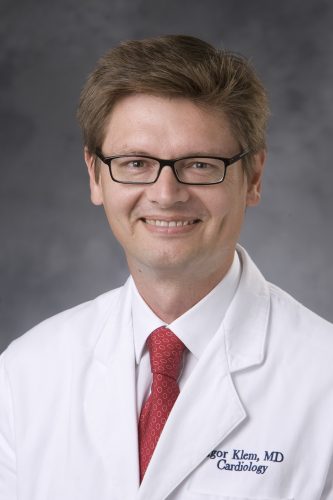
Earlier in February, a patient with neurosarcoidosis who is wheelchair dependent presented for an outpatient cardiac MRI at the DMP. Unfortunately, the patient was noted to be in atrial flutter while their device was being programmed prior to the MRI, so the patient was sent to the Emergency Department instead. After converting to sinus rhythm, the consult team — led by Igor Klem — recognized that the patient did not need further inpatient care and was able to be discharged. The cardiac MRI team, including Rosemary Engel and Katina Johnson, was able to reschedule the outpatient cardiac MRI for the patient on the same day. This was immensely helpful as the patient was relying on a wheelchair transportation service to get to Duke, which would make getting the patient back on a different day for the MRI a bigger burden for the patient, according to Sean Pokorney, the outpatient provider.
“I was on the consult team with Igor that day and felt that Igor and the MRI group should be recognized for their outstanding services in patient care. Dr. Pokorney was very appreciative that the cardiac MRI was able to be done.” – Jordan Hausladen
Kudos to all team members, especially the Cardiac MRI team, for their flexibility and kindness in helping this patient get the scan done on the same day. Way to go!
Shout-out to Carlisle!
Anna Lisa Crowley and Sunil Rao shared a really nice note from a Durham VAMC patient with us this week – the patient was thankful for the care and compassion they received from first year Cardiology fellow, Matt Carlisle:
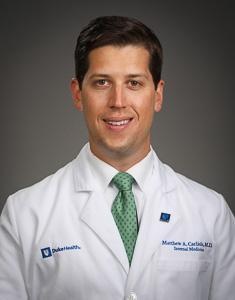 “During a cath lab visit, I was attended by one of your fellows, Dr. Matthew Carlisle. Many times I have watched interns, fellows and attending physicians sweep into a prep or recovery area, dispense with what is obviously a well-used spiel, and then they turn and vanish into a medically induced mist. I can’t blame them for failing to be more involved in the moment. Usually they offer what they have with a professional attitude, not much more, not much less.
On [this visit] I experienced one particular difference; Dr. Matthew Carlisle asked how I would like to be addressed.
I was pleased by the question and from that moment forward I knew that Carlisle, the young man from Alabama, was my sincere advocate. He was attentive to me and interacted very well with my daughter, who was my driver that day. His attitude reflected his confidence that my case would be positively resolved.
Ninety minutes later, I was more alert and oriented than I had been in weeks. Please pass along to him my sincere regards and tell him I walked 80 yards across the parking garage and when I arrived home I was able to run across the lawn.
Again, I am grateful for the skillful care of the doctors and staff within the VA Health System.” – Name withheld
Great job, Matt! Thank you for the exceptional care you provided!
ICYMI: Yapejian, Fudim Published in EHJCR

Rebecca Yapejian and Marat Fudim are co-authors of “Novel findings of respiratory rate increases using the multisensor HeartLogic heart failure monitoring algorithm in COVID-19-positive patients: a case series,” published last weekend in European Heart Journal – Case Reports, Vol 5, Issue 2, February 2021.
Congratulations to both authors! We are particularly proud of this article – as it represents a wonderful collaboration across subspecialties and disciplines. According to Yapejian, a nurse practitioner with our Duke Electrophysiology team, “It was truly a great honor to know that a medical journal deemed a case series that was written by a nurse practitioner as first author worthy of publication. Furthermore, I was so proud to have Marat Fudim, MD, serve as my co-author to show how interdepartmental (EP and Heart Failure) and interdisciplinary (NP and MD) collaboration can make for great success. It’s opportunities like this that I have always hoped to achieve.”
Well done!
Head’s Up: March is…
Just a quick head’s up that nationally, March is Women’s History Month. International Women’s Day will be celebrated on Monday, March 8 and, Duke-wide, it is Employee Appreciation Month. Employee Appreciation Day is slated for Friday, March 5. Although this is a designated awareness month for appreciation, we know that showing our appreciation for employees is important all the time – so keep those shout-outs and kudos for Pulse coming our way all year long.
Reminder: Best Hospitals Survey Now Open
The U.S. News & World Report Best Hospitals annual survey is open in Doximity. Voting is a great way to celebrate how Duke is leading the way in patient care, education and research, so be sure to log into Doximity by March 26th and VOTE!
Results from the reputation survey are an important component of the scoring U.S. News & World Report uses to rank the nation’s top hospitals, along with all of the work we do to provide the best care for our patients. We hope all survey-eligible team members will consider showing your pride in Duke Heart and voting for all three of Duke’s hospitals as part of your “top 5” for “Best Hospitals for Cardiology and Heart Surgery.”
How to Vote: Voting is open through March 26, 2021. To vote, physicians can visit Doximity.com or the survey page on Doximity.com. The survey will display until the physician votes or the survey closes.
COVID-19 Updates:
All the latest official DUHS information regarding coronavirus/COVID-19 response at the following locations:
Upcoming Opportunities/Save the Date:
Cardiology Grand Rounds
Mar. 2: Developing Pharmacogenomic Tools for Personalized Antithrombotic Therapy with Kevin Friede. 7:15 a.m., Webex.
Mar.9: Epidemiological Research in Cardio-Oncology – Focus on Atherosclerosis with Avirup Guha of Case Western Reserve University School of Medicine. 7:15 a.m., Webex.
Mar. 16: Advanced Cancer is also Heart Failure Syndrome: Cardio-Oncology Including and Beyond Cardiotoxicity with Stefan Anker, Professor of (Tissue) Homeostasis in Cardiology & Metabolism at Charite Berlin. 7:15 a.m., Webex.
Mar. 23: If You Build It… (They) Will Come – Advanced Therapies in ACHD with Jonathan Menachem of Vanderbilt University Medical Center. 5 p.m., Webex.
Conversations with Colleagues: Racial Justice
The Center for Healthcare Safety and Quality has announced a second cohort of their Conversations with Colleagues series, Racial Justice: Deeper Dive. The six- week program starts tomorrow, March 1st. The virtual sessions are available to anyone at Duke Health and Duke University.
The series is expected to be a transformative experience that focuses on exploring the origins of systemic racism, understanding our own implicit biases and learning what we can each do to have a positive impact on our local community.
The curriculum includes mixed media to engage all learning styles. Because this is a cohort based experience, attendees are asked to commit to all six weeks of the series. You will select a day and time that works for you and will be expected to attend all six sessions in that cohort. This will allow participants to build relationships with others in their group.
To register, visit bit.ly/CwCRacialJustice.
Six-Part Mental Health Webinar Series Available Through April
Mar. 3: Identifying and Managing Problematic Substance Use in Times of Stress. 4-4:30 p.m. Hosted by the Department of Psychiatry & Behavioral Sciences and led by assistant professor Jennifer Plumb Vilardaga, PhD. (Link below)
This is the second in a six-part webinar series, “Taking Care of Yourself and Your Loved Ones,” for all Duke University and Duke Health community members and their families. The 30-minute topical webinars provide practical expert advice on topics including emotional wellness, substance misuse, suicide prevention, and mental health for children, adolescents and teens.
The webinar series runs through April 27. Learn more, watch past webinars and join upcoming webinars: http://bit.ly/DukeMHSeries.
Have news to share?
If you have news to share with the Pulse readership, please contact Tracey Koepke, director of communications for Duke Heart at tracey.koepke@duke.edu. We would love to hear about your latest accomplishments, professional news, cool happenings, and any events or opportunities that may be of interest to our Duke Heart family. Please call with any questions: 919-681-2868. Feedback on Pulse is welcome and encouraged.
Duke Heart in the News:
February 23: J. Antonio Gutierrez
Endovascular Today
Patient-Level VHA Data Show No Association Between Paclitaxel-Coated Devices and Long-Term Mortality
http://bit.ly/3uuyI8p
Duke Heart Week ending February 21st 2021
U.S. News Best Hospitals Survey Now Open
The U.S. News & World Report Best Hospitals annual survey is now open in Doximity. Voting is a great way to celebrate how Duke is leading the way in patient care, education and research, so be sure to log into Doximity in the coming weeks and VOTE!
Results from the reputation survey are an important component of the scoring U.S. News & World Report uses to rank the nation’s top hospitals, along with all of the work we do to provide the best care for our patients. We hope all survey-eligible team members will consider showing your pride in Duke Heart and voting for all three of Duke’s hospitals as part of your “top 5” for “Best Hospitals for Cardiology and Heart Surgery.”
How to Vote:
Voting is open through March 26, 2021. Invitations to take the survey were emailed to a randomly selected 10 percent subset of the eligible physicians who are users of Doximity. All other survey-eligible Doximity users can expect to get an invitation by the end of next week, Friday, February 26. To vote, physicians can visit Doximity.com or the survey page on Doximity.com. The survey will display until the physician votes or the survey closes.
Heart Highlights: Duke Electrophysiology
Although the year 2020 may be one that most people were happy to put behind them, we are finding many reasons to celebrate accomplishments made throughout the last year. Our faculty, fellows and staff continued to contribute toward excellence in patient care, research and training. We are pleased to share some highlights from one of our program areas: Duke Electrophysiology.
Duke Electrophysiology has one of the largest teams in the U.S. with 14 faculty members (two of whom are women). It is home to the Duke Center for Atrial Fibrillation, one of the largest atrial fibrillation centers in the country. We are sharing some of the highlights from the section this year courtesy of Jon Piccini our EP Section Chief.
In calendar year 2020, Duke EP clinicians performed:
- 5,822 in person device interrogations
- 14,206 remote device interrogations
- 1096 device implants at Duke University Hospital, including 125 leadless pacemaker implants
- 980 catheter ablations at Duke University Hospital, including 489 AF ablations and 131 VT ablations
- 57 left atrial appendage closure procedures at Duke University Hospital
- 120 lead extraction procedures within the Duke Heart network
The Duke EP faculty published 124 peer-reviewed manuscripts and conducted several “firsts” in NC, including:
- Placement of the first Micra AV, a paradigm-changing device that provides atrioventricular synchrony by accelerometer-

Camille Frazier-Mills based detection of mechanical atrial contraction and VDD pacing. This was done last February by Camille Frazier-Mills.
- The use of Stereotactic Body Radiation Therapy (SBRT) to treat Refractory Ventricular Tachycardia. This was two years in the making under the stewardship of Al Sun, Jason Koontz, Zak Loring and Manisha Palta (radiation oncology)
- Implanting the FDA-approved Watchman FLX left atrial appendage occlusion device. Jonathan Piccini and Sreek Vemulapalli (Duke’s CDU Director) did the case in a patient who had atrial fibrillation and was a poor candidate for long term oral anticoagulation. (Duke was also the first center in NC to implant the original Watchman device approximately 5 years ago.)
Michael Rehorn, Albert Sun, and colleagues published the first case of noninvasive electrocardiographic mapping of ventricular tachycardia in a patient with a left ventricular assist device (HeartRhythm Case Reports)
In June, Brett Atwater and his team performed the world’s first-in-human use of a new conduction system pacing (CSP) lead implantation system, called the Agilis HisPro.
Duke Clinical Research Institute (DCRI) leadership named electrophysiologist Sana Al-Khatib director of the DCRI fellowship program in 2020, and under the leadership of Donald Heglund, Duke EP graduated their 25th class of EP fellows since receiving ACGME accreditation in 1995 and July 2020 marked the 47th year of our overall EP fellowship program.
 Importantly, as Duke (and all other AMC’s) stepped up their commitment to increasing representation of all racial and ethnic backgrounds across the University and Health System, Kevin Thomas was named co-chair of the School of Medicine’s (SOM) Faculty Steering Committee on Dismantling Racism. The committee will review data from institutional surveys, focus groups, exit interviews, and testimonials captured from faculty and students to inform recommendations for transformation across the SOM. Thomas currently serves as assistant dean for underrepresented faculty development at the SOM and director of faculty diversity and health disparities research at the DCRI. He has devoted his career to eliminating disparities for patients with cardiovascular disease and helping junior faculty from underrepresented populations advance their medical careers.
Exceptional work by all faculty, staff and fellows – congratulations!
Butler Named TBJ Health Care Hero for 2021
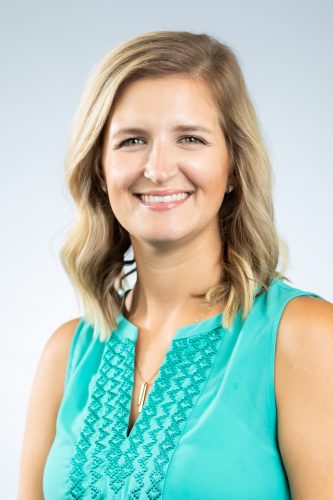 Congratulations to 7E/Cardiac Intensive Care Unit nurse Kiersten Butler! We learned this week that she has been selected by the Triangle Business Journal (TBJ) as one of their 2021 Health Care Heroes – and we are thrilled! Winners were announced on the TBJ website on Wednesday, Feb. 17.
Butler, who is one of four awardees from Duke this year, was nominated by her nurse manager, Greg Flynn. As part of the nomination, Flynn described the impact Butler’s efforts have made at Duke:
“Her work as the chair for the Cardiac ICU charge nurse committee has helped multiple nurses train to become a charge nurse. In this work, she has helped the ICU maintain its high level of care. The charge nurses respond to cardiac arrests in the hospital, maintain patient placement throughout the cardiology wards and run the day to day functions of the ICU. Without the training Kiersten has helped establish, it would be difficult to get the charge nurses to a place where they could do their job effectively.”
TBJ Health Care Heroes Awards are one of the longest running annual award programs in the Triangle. Awards are made in a number of health provider categories and each are highly competitive. A virtual celebration is planned for April 15. The TBJ will honor each of the awardees during an online event that will include their colleagues, friends and family.
Congratulations, Kiersten – this is well deserved!
Shout-out to Loriaux!
A special shout-out this week to cardiology fellow Dan Loriaux:
 “I wanted to take a minute and shout out our ECHO Fellow Dan Loriaux. He quickly earned a reputation for going above and beyond for our CDU patients. He has stepped in several times to help obtain a PIV for a patient with difficult access using his portable US machine. This not only helps with the CDU workflow but prevents long time delays for the patient waiting on the IV team. On one occasion, while he was not on ECHO service and passing through 7200, he popped in and placed an IV for a procedure patient. His positivity and willingness to assist with even the smallest tasks has not gone unnoticed and is greatly appreciated. Our ECHO Fellows are the best!” — Maile Billings
Great work, Dan! Hat tip to Jon Owensby and Anna Lisa Crowley for the share!
Shout-out to Samsky!
We have another impressive story worthy of a shout-out this week:
 “Together with Dr. Michel Khouri, I want to give a special shout out to cardiology fellow Marc Samsky who rounded on the general medicine service this week at the Durham VAMC. He went above and beyond on a day when we unexpectedly had no cardiac sonographers report for work. He performed urgent echocardiograms on sick intensive care unit patients that were not even his patients just to help out our VA cardiology team! His extra effort helped expedite care to Veterans! Thanks Marc!” – Anna Lisa Crowley
Way to go, Marc! Nicely done!
ICYMI: Bernard Gersh, MD @CGR
In Cardiology Grand Rounds last week, Dr. Bernard Gersh presented a thorough review of “The Indications for and Preferred Methods of Coronary Revascularization in Chronic Coronary Syndromes.” As most of you know, Dr. Gersh is Professor of Medicine at Mayo Clinic (Rochester) and Adjunct Professor of Medicine at Duke. In this lecture, Dr. Gersh discussed the available clinical trial results comparing medical therapy to surgical intervention or PCI in these patients. Many of the trials are quite dated now and do not reflect the current management of these patients, raising questions about what the best approaches are in 2021, and whether newer trials are needed. He also discusses the recent controversy regarding the EXCEL trial, where the surgical chairman of the study alleged misconduct in the data reporting (which seems to be an argument about the changing definitions of MI).
Dr. Gersh also shared a beautiful musical tribute to all the frontline healthcare workers in the COVID pandemic, a traditional Zulu hymn recorded by his alma mater at the University of Cape Town. You can access the recording here: https://www.youtube.com/watch?v=iDwbUDpYs3E. This is well worth watching.
Many thanks to all who joined us via Webex and to Chris Holley for providing this summary.
COVID-19 Updates:
All the latest official DUHS information regarding coronavirus/COVID-19 response at the following locations:
Upcoming Opportunities/Save the Date:
Cardiology Grand Rounds
Feb. 23: Extravascular Targets in PAH: Metformin to Mobile Health with Evan Brittian of Vanderbilt University Medical Center. 5 p.m., Webex.
Mar. 2: Developing Pharmacogenomic Tools for Personalized Antithrombotic Therapy with Kevin Friede. 7:15 a.m., Webex.
Mar.9: Epidemiological Research in Cardio-Oncology – Focus on Atherosclerosis with Avirup Guha of Case Western Reserve University School of Medicine. 7:15 a.m., Webex.
Mar. 16: Advanced Cancer is also Heart Failure Syndrome: Cardio-Oncology Including and Beyond Cardiotoxicity with Stefan Anker, Professor of (Tissue) Homeostasis in Cardiology & Metabolism at Charite Berlin. 7:15 a.m., Webex.
Mar. 23: If You Build It… (They) Will Come – Advanced Therapies in ACHD with Jonathan Menachem of Vanderbilt University Medical Center. 5 p.m., Webex.
DukeHeart On The Go: Latest PAD/CAD CME Modules Now Available
The third program in our CAD/PAD CME series is now available on the DukeHeart On The Go and MedEd On The Go educational platforms. These platforms offer micro-learning education presented in single-learning objective episodes. Developed by Duke Heart faculty in collaboration with the Society for Vascular Medicine and the Society for Vascular Surgery, the modules can be viewed here: Translating the Evidence to Practice Gaps (Case-based Session).The program presents recent, important trial data that guide clinical practice for these chronic and progressive vascular diseases. The CME/CNE certified program addresses key questions, such as: what are atypical signs and symptoms? How can I assess clinical risk profiles for patients with infra-popliteal disease and iliac occlusion?
Feel free to share program availability with colleagues! DukeHeart On The Go modules are free once you sign up for an account. If you have any questions about the DukeHeart On The Go CME platform, please direct them to Christy Darnell.
Six-Part Mental Health Webinar Series Available Through April
From February 17 through April 27, the Department of Psychiatry & Behavioral Sciences is hosting a six-part mental health webinar series, “Taking Care of Yourself and Your Loved Ones.” The 30-minute topical webinars are designed to provide practical expert advice for Duke University and Duke Health community members and their families who may be struggling with different mental health challenges. Topics include general mental health, substance misuse, suicide prevention and mental health in children of color. Learn more and join the webinars. If you have any questions, please contact Susan Gallagher.
Have news to share?
If you have news to share with the Pulse readership, please contact Tracey Koepke, director of communications for Duke Heart at tracey.koepke@duke.edu. We would love to hear about your latest accomplishments, professional news, cool happenings, and any events or opportunities that may be of interest to our Duke Heart family. Please call with any questions: 919-681-2868. Feedback on Pulse is welcome and encouraged.
Duke Heart in the News:
February 2 — Harry Severance
Emergency Physicians Monthly
COVID-19 can offer some silver linings
http://bit.ly/3dwasNk
February 12 – Jonathan Piccini
tctMD
CABANA Supports Use of AF Ablation in Patients With Heart Failure
http://bit.ly/3azIXAk
*story also carried by Pharma & Healthcare Monitor and MD EDGE
February 18 — Tracy Wang and Manesh Patel
Healio/Cardiology Today
COVID-19 and CVD ‘inextricably linked’
http://bit.ly/2NmLJ3c
February 18 — L. Kristin Newby
Salisbury Post
Duke University COVID-19 study in Kannapolis contributes data to wastewater surveillance
http://bit.ly/3pwlMv2
Duke Heart Week ending February 14th 2021
Highlights of the week:
If You Are Looking for Reasons to Celebrate…
If you’re looking for a few reasons to celebrate, today happens to be Valentine’s Day – and we are, of course, right smack in the middle of Heart Month and there are lots of great reasons to continue wearing some red to drive awareness around cardiovascular disease. Just in time for the holiday, a story of companionship courtesy of the Duke Lemur Center.
 This weekend is the first weekend of the Lunar New Year – a belated happy new year to all, particularly our friends and colleagues who hail from China. It’s the Year of the Ox and we wish all of you good health, happiness and prosperity.
It’s also National Donor Day. Celebrated annually on February 14th, today is the day Donate Life America has selected to spread awareness and education about all types of donation — organ, eye, tissue, blood, platelets and marrow. National Donor Day is also a day to recognize those who have given and received the gift of life through donation, are currently waiting for a lifesaving transplant, and those who died waiting because an organ was not donated in time. A hat tip to all of our team members working with patients and their families who are on this path.
Coming up on Tuesday… it’s “Shrove” or “Fat Tuesday” – so we bid you an early “Laissez les bon temp roulez!” – enjoy some traditional New Orleans fare (and we have a faculty member that makes a fantastic red beans and rice dish; one of the not-so-secret ingredients is Slap Yo Mama sauce), listen to some sweet jazz and perhaps enjoy a slice of king cake in celebration of mardi gras. To get you in the spirit, there’s this story.
In this pandemic year, there are still many things to celebrate and many stories of perseverance. Thank you for all that you do. Keep up the great work! For yet another reason to celebrate, see our next story.
Duke University Among Top 10 in Nation for Federal Medical Research Funding
Duke University continues its leadership in biomedical research, ranking 10th among the nation’s top medical schools and research institutions for funding from the National Institutes of Health (NIH).
Duke received $467 million in federal funding from the NIH in 2020, according to the Blue Ridge Institute for Medical Research, an independent research center that compiles an annual ranking of NIH funding for U.S. medical schools and their departments. Duke was the largest recipient of NIH grant funding in North Carolina for fiscal year 2020.
Four basic science departments and seven clinical science departments at Duke ranked among the top 10 in the country:
- #2 for Orthopedics
- #2 for Pediatrics
- #3 for Surgery
- #4 for Neurosurgery
- #5 for Anesthesiology
- #6 for Internal Medicine
- #9 for Anatomy/Cell Biology
- #9 for Genetics
- #9 for Neurosciences
- #9 for Pharmacology
- #10 for Psychiatry
“Duke is home to many of the brightest and most innovative biomedical researchers in the world,” said Mary E. Klotman, M.D., dean of the Duke University School of Medicine. “Even with the challenges that the past year placed on the global research enterprise, these rankings show that our scientists persevered and continued our long history of excellence in biomedical research.”
The NIH is the largest public funder of biomedical research in the world, investing more than $41 billion a year to advance research aimed at improving health.
MURDOCK C3PI Study Contributes to NC Research Network Monitoring COVID
A Duke COVID-19 study tracking the pandemic in Cabarrus County is contributing data to a statewide research network monitoring the coronavirus in sewer systems to help inform the public health response in North Carolina.
The MURDOCK Cabarrus County COVID-19 Prevalence and Immunity (C3PI) Study in December launched a collaboration with the N.C. Wastewater Pathogen Tracking Research Network (WW PATH). The WW PATH network brings together researchers and institutions from across the state to develop tools to monitor wastewater for the coronavirus and link these sewer surveillance data to COVID-19 infections. People shed the coronavirus through their stool even before they show symptoms of COVID-19.
The MURDOCK C3PI Study is collaborating with the network by sharing results from the 300 participants who are tested for COVID-19 every two weeks. These data are shared securely using methods to protect participant identity and confidentiality. To see the full article, visit: http://bit.ly/3agVsRb.

Thakkar Headlines NIEHS Heart Disease Awareness Event

Maitreya Thakkar was the guest speaker for a heart health seminar held Thursday evening, Feb. 11. The event, You Are Your Own Best Heart Health Advocate: Women and Heart Disease was offered as part of the National Institute of Environmental Health Science’s (NIEHS) Women’s Health Awareness Virtual Series: Real Talk with the Experts seminar series. The online session was moderated by Leatrice Martin-Short, who dedicated many years of service to Duke Heart as our community outreach and volunteer coordinator. The session addressed early warning signs of heart disease and prevention of heart disease in women. The event was attended by about 150 online guests and was very well received. Thakkar has already received notes from attendees thanking him for his time; one guest (a Duke staff member & care provider) wrote,
“I was on the webinar last night with Women’s Health Awareness. You gave an excellent presentation and made it easy to comprehend. It was wonderful having the story from Tonya before your presentation. It was really awesome, inspiring, and memorable. Well done. I hope we have a Part 2. I’m sure, I’m not the only one who knows, you helped change lives last night.”
Nicely done!
Two Duke Cardiology Fellows Selected as IM Chief Residents for 2022-2023
We are very excited to announce that two of our first year fellows (starting July 2021) — Lonnie Sullivan and Sara Coles — have been selected as 2022-2023 Chief Residents for the Duke Internal Medicine Residency Program. The announcement was made Friday morning by Dr. Aimee Zaas, Program Director, Duke Internal Medicine Residency Program. The three Chief Residents will be:
 Lonnie Sullivan, MD — Duke University Hospital
Lonnie is a graduate of the Morehouse College and Duke University School of Medicine. He will be a fellow in Cardiology in 2021-22.
Sara Coles, MD — Durham VA Medical Center
Sara is a graduate of Azusa Pacific University and The Ohio State University College of Medicine. She will be a fellow in Cardiology in 2021-22.
Nathaniel Harris, MD, PhD — Duke Regional Hospital/Ambulatory Medicine
Nathaniel is a graduate of North Carolina State University and Duke University School of Medicine. He will be a fellow in Rheumatology and Immunology in 2021-22.
The Chief Residents are a key part of the medicine residency team, providing invaluable leadership, teaching, and support for our trainees. Our incoming chiefs join a strong tradition of resident leadership, and we look forward to their contributions to the Department of Medicine.
Congratulations!
Congrats to Bill Cockfield of Duke EP!
We learned this week that Bill Cockfield, PA recently passed his International Board of Heart Rhythm Examiners (IBHRE) re-certification (initial certification in 2010) for EP; he is also a certified cardiac device specialist. Additionally, Bill shared his device knowledge with our Cardiology APP colleagues this past Wednesday as he gave a talk on device wound assessment, documentation, and billing.
“Bill is an excellent clinician and takes great care of his patients. He is always there for the EP team by attending meetings, working patients into clinic, sometimes even over his lunch break, or covering when people are out. To top it off, he’s been volunteering on Sundays to give much needed COVID vaccinations.
We so fortunate to have him as a colleague and are thankful for his leading example!”
Hat tip to Amber Stohl for bringing this to our attention. Congratulations, Bill!!
Shout-out to Flores, Nanna, Pomeroy, Kong & Code Blue Team
 Shout-out to the incredible efforts of several of our fellows–Karen Rosario Flores, Mike Nanna and Jordan Pomeroy; and to faculty member David Kong for their teamwork and partnership with the rest of the Code Blue team in responding to a lengthy code last week at Duke University Hospital.
In a series of notes shared with us by Anna Lisa Crowley, we learned that the quick response of our CICU and interventional teams was recognized and valued by the patient’s family and hospital leadership although the outcome was not as we all hoped.
“The entire code blue team did a remarkable job in a lengthy code yesterday on (unit withheld). While the outcome was not what everyone wanted, your leadership and the compassionate, excellent work of the team was appreciated. Your care made a difference for that patient’s family and for the team you worked with.” – Lisa Pickett, Chief Medical Officer, Duke University Hospital
“Every single individual present had a clear role and focused on that role, which made this an incredibly well run code, including the CICU fellow and cath lab team who came to evaluate for cath lab activation based upon the patient’s EKG.” – Jenny Van Kirk (hospitalist primary responder)
We are incredibly proud of the great teamwork our Duke Heart care providers demonstrate each day. Thank you.


Shout-out to Narcisse & Cath Lab team!
In a note shared with us this week by Anna Lisa Crowley we learned that at the end of January, fellow David Narcisse helped out on a complicated and critically ill patient call in the cath lab.
 “I just wanted to reach out and let you all know that Dennis saved the day last Saturday when a call came in for a very sick anterior STEMI patient. When the patient was decompensating and I felt like I needed at least 9 more arms, Dennis came over, put on lead and stepped up to help out. No one asked him to come in and assist in that way, but he did so without hesitation and honestly the whole thing went much smoother because of his help. He also called the CCU whenever we needed medications and made sure that we had the supported we needed from them. He communicated clearly and positively and I think I speak for all the staff when I say he is truly appreciated!”
“Everyone: Phillip, Emily Coursey, Laura, Adam, Dr. Kiefer and Dr. Patel worked great as a team and Dennis was so kind to come help out. Proud of our whole Cath Lab team!!!” — Elle Simpson
The note was originally sent to Schuyler Jones, Elizabeth Watts and Anna Mall, who forwarded to Crowley. To quote the now retired LV Staton, “Teamwork makes the dream work.” Great job, everyone!
Perfusion Team Update
The 42nd Annual Seminar of the American Academy of Cardiovascular Perfusion was held virtually from February 6th-13th, 2021. Rachel Gambino, CCP, presented an excellent educational seminar, “Managing ECMO Catastrophes on the Ground and in the Air.” Dr. Jacob Klapper engaged in a very interesting debate, “ECPR: What is it good for?” and our colleagues in Pulmonary Critical Care, Drs. Craig Rackley and Anne Mathews, debated optimal management strategies for COVID ARDS. Alex Gum, MS CCP was nominated as a Fellow of the AACP, joining Academy Fellows from Duke- Ian Shearer, Greg Smigla and Desiree Bonadonna.
Congratulations to all! Thanks for representing us so well!
2020 ACLS/BLS E-books Now Available
If you’re in need of borrowing ACLS or BLS books, the Duke Medical Center Library has the updated 2020 volumes available electronically. They’re available for up to six users at a time. For more information, please visit: https://mclibrary.duke.edu/about/blog/acls-bls-pal.
Six-Part Mental Health Webinar Series to Start in February
From February 17 through April 27, the Department of Psychiatry & Behavioral Sciences will be hosting a six-part mental health webinar series, “Taking Care of Yourself and Your Loved Ones.” The 30-minute topical webinars are designed to provide practical expert advice for Duke University and Duke Health community members and their families who may be struggling with different mental health challenges. Topics include general mental health, substance misuse, suicide prevention and mental health in children of color. Learn more and join the webinars. If you have any questions, please contact Susan Gallagher.
COVID-19 Updates:
NEW: Website explains how to help staff Duke’s vaccination clinics
We’ve seen an outpouring of support from students, faculty and staff who want to help out at Duke’s vaccination clinics. A new website, launched last week, should help answer many frequently asked questions, including how people can support Duke’s vaccination efforts and what to expect when they sign up. If you have any questions, email vaxvolunteer@duke.edu. Thank you. Full URL: https://covid-19.dukehealth.org/vaccination-operations
All the latest official DUHS information regarding coronavirus/COVID-19 response at the following locations:
Upcoming Opportunities/Save the Date:
Cardiology Grand Rounds
Feb. 16: Coronary Disease Revascularization with Bernard Gersh of the Mayo Clinic. 5 p.m., Webex.
Feb. 23: Extravascular Targets in PAH: Metformin to Mobile Health with Evan Brittian of Vanderbilt University Medical Center. 5 p.m., Webex.
Mar. 2: Developing Pharmacogenomic Tools for Personalized Antithrombotic Therapy with Kevin Friede. 7:15 a.m., Webex.
Mar. 16: Advanced Cancer is also Heart Failure Syndrome: Cardio-Oncology Including and Beyond Cardiotoxicity with Stefan Anker, Professor of (Tissue) Homeostasis in Cardiology & Metabolism at Charite Berlin. 7:15 a.m., Webex.
Mar. 23: If You Build It… (They) Will Come – Advanced Therapies in ACHD with Jonathan Menachem of Vanderbilt University Medical Center. 5 p.m., Webex.
DukeHeart On The Go Launches PAD/CAD CME Series
In collaboration with the Society for Vascular Medicine and Society for Vascular Surgery, Duke Heart has developed a certified 4-program educational series on PAD/CAD that appears on DukeHeart On The Go and MedEd On The Go, two platforms that provide micro-learning education in single learning objective episodes.
Two of the programs are available now:
- Identifying Patients with Peripheral Artery Disease
- New & Emerging Treatment Approaches in the Management of Patients with CAD/PAD
Two more programs will launch in February: Translating the Evidence to Practice Gaps (Case-based Session) and Improving Clinical Outcomes in Patients with CAD/PAD – A Case-based Review on Discharge Planning, Compliance and Adherence in the Ambulatory Patient. We will provide links once the programs are available.
DukeHeart On The Go modules are free once you sign up for an account. If you have any questions about the DukeHeart On The Go CME platform, please direct them to Christy Darnell.
ASE Live Webinar: Sonographer Professional Development
Feb. 18, 12:00 – 1:00 p.m., ET. Attendees will get a brief overview of five important professional development topics from eight experts in the cardiac sonography field with different backgrounds and career paths. The goal will be to help guide early career sonographers to growing within the field of echo and within ASE. The other goal is to gain feedback from the audience about which topics sonographers want to hear more about so that future webinars can be tailored to audience needs.
Moderators: Kristen Billick, BS, ACS, RDCS (AE, PE), FASE; Ashlee Davis, BS, ACS, RDCS, FASE
Speakers: Peg Knoll, RDCS, RCS, FASE; Elizabeth McIlwain, MHS, ACS, RCS, FASE; Jennifer Tresness, RDCS (PE, AE), RDMS(FE), FASE; Colin Dunbar II, RDMS, RDCS (AE, PE, FE), FASE; Ken Horton, RCS, ACS, FASE; Richard Palma, BS, RDCS, RCS, ACS, FSDMS, FASE
This activity is FREE for ASE Members, $25 for non-members. This activity does not offer CME credit. This webinar will be posted for on-demand viewing on the ASE Learning Hub in the weeks following the live broadcast.
Reflections on Race and Medicine During the Year of COVID-19 and Beyond
Feb. 18, 12:00 – 1:00 p.m. DCRI will host a special Research Forum for all Duke faculty, staff, and students. Dr. Damon Tweedy, Duke faculty member and author of Black Man in a White Coat, will:
- Explore how medical education and the health care system have perpetuated health disparities
- Discuss strategies to mitigate the harms of physician bias and patient mistrust on health outcomes
- Examine the unique challenges and roles of Black physicians in the delivery of medical care
The COVID-19 pandemic has highlighted longstanding racial and ethnic health disparities in our country. Coupled with heightened nationwide protests during the summer of 2020, these events have sparked a renewed intensity towards addressing the dilemma of race in America. In his talk, Dr. Tweedy will explore these issues within the medical school and hospital setting, highlighting the challenges faced by Black patients and Black doctors while reviewing recent developments and reforms in the field. To attend, please access Zoom via: https://duke.zoom.us/j/93154390688?pwd=ZFpDd2s4NGI1aVlIdWxBTFkxS3ZsUT09
Have news to share?
If you have news to share with the Pulse readership, please contact Tracey Koepke, director of communications for Duke Heart at tracey.koepke@duke.edu. We would love to hear about your latest accomplishments, professional news, cool happenings, and any events or opportunities that may be of interest to our Duke Heart family. Please call with any questions: 919-681-2868. Feedback on Pulse is welcome and encouraged.
Duke Heart in the News:
February 3 — Oliver Jawitz
Health Day News
Women Less Likely to Undergo Guideline-Concordant CABG
https://bit.ly/3oPmMtO
February 5 — Sunil Rao
tctMD
Large Meta-analysis Confirms Survival, Bleeding Benefits With Radial Access
http://bit.ly/2NppEAP
February 8 — Sunil Rao
tctMD
Long-term CTO Data Raise Questions Over Primary Goals of Care
http://bit.ly/2Nvl7MU
February 8 — Harry Severance, Jr.
CNBC
Tahiti’s sudden tourism restrictions provide a lesson to people who can’t wait to travel
http://cnb.cx/3apsizD
February 9 — Duke Univ. and Duke University Health System
Forbes
America’s Best Large Employers 2021
http://bit.ly/2N5yGD6
February 11 — Jorge Antonio Gutierrez
tctMD
No Paclitaxel Death Signal in VA Data Out to 3 Years
http://bit.ly/2OHo7Xv
Duke Heart Week ending February 7th 2021
Updates from the week:
Passings: Richard L. McCann, MD, Vascular Surgeon
 The loss of a colleague is never an easy one to share, particularly when the news comes so unexpectedly. The following was announced late Friday afternoon by Mary E. Klotman, MD, Dean, Duke University School of Medicine and Allan D. Kirk, MD, PhD, Vice Dean, Section of Surgical Disciplines.
“It is with great sadness that we write to inform you that Richard Lucas McCann, MD, passed away on Friday, February 5.
Dr. McCann was a Professor of Surgery in the Section of Surgical Disciplines. He began his nearly five-decade career at Duke University in the 1970s as an intern under the direction of Dr. David C. Sabiston Jr. During his surgical training at Duke, he spent three years as a cardiovascular research fellow in addition to his general surgery training. His reputation as a talented surgeon led to his hiring as Assistant Professor at Duke after completion of his general surgery training in 1983.
During his tenure at Duke, Dr. McCann became recognized as a superb surgeon in every domain. Technically, he mastered the anatomical exposure of vascular structures in all areas of the body with exceptional technical speed and efficiency. Dr. McCann participated in the first liver transplant at Duke with Drs. William Meyers and R. Randal Bollinger. In the late 1990s, he implanted the first aortic endograft at Duke for the treatment of abdominal aortic aneurysm. He pioneered complex aortic surgery, using an array of both open and endovascular techniques.
Dr. McCann mentored an entire generation of surgical residents and fellows. Beyond Duke, as an ambassador and humanitarian, he donated his medical and surgical talent to care for patients in Saudi Arabia, Vietnam, and Haiti. In 2016, Dr. McCann was honored as a Duke Surgery Master Surgeon.
Our thoughts go out to the family and many friends of Dr. McCann. The family requests that anyone who wishes to honor Dr. McCann do so by donating to Hôspital Albert Schweitzer. Hôspital Albert Schweitzer, PO Box 110091, Pittsburgh, PA, 15232.”
For those of us in Duke Heart, the loss is significant. McCann has worked over the years with many of our current faculty and a significant number of former trainees. We’ve pulled together a series of remembrances to honor him:
Dan Mark, MD, Professor of Medicine, Duke Division of Cardiology, (via Twitter):
“He was not only a master vascular surgeon, he was a critical partner for the cardiac team in the early formative years of our interventional program.”
Chad Hughes, MD, Director, Duke Center for Aortic Disease and Surgical Director, Duke Center for Structural Heart Disease, Division of Thoracic and Cardiovascular Surgery
“When I came on faculty, I knew him well because I had trained here. I reached out to him and asked him to help mentor me, which he certainly didn’t have to do. But he was generous enough to bring me along. And we worked together until he retired from Duke and moved over to the VA; we did hundreds and hundreds of cases together. I have spent more time with McCann than anyone else outside of my family.
“He was the man from Maine, a man of few words. We’d do a case together and he might not say five words to me. If you were going into either vascular surgery or cardiac surgery, that’s the person who taught you how to sew. I can hear him yelling, “Put the needle in the direction you want it to go!” When you would go to clinic with him, he would always say the same thing whenever he’d enter the room of a new patient, ‘I’m McCann. How do you spend your days?’
For any new patient, this is what he asked because he wanted to get an understanding of their activity level and this is how he learned about them. He was just an amazing guy; the patients always came first. It didn’t matter if he was on call, he’d come in if anyone had a problem. He was the go-to guy if any one of us got into a rough spot during a case. Sometimes he just had a sense of when to show up. He was pretty incredible and he touched us all. In fact, even people he had never met have been touched by him. With my trainees, I teach techniques McCann taught to me, and I talk about Dr. McCann while doing so… and in this way, he has touched their lives.”
Sunil Rao, MD, Section Chief, Cardiology at the Durham VA Medical Center:
“The loss of Dr. McCann is a huge one for all of us. When I was a medicine resident I knew of Dr. McCann only by his reputation as one of the best surgeons at Duke. His laconic manner made him seem intimidating, but when I formally met him during my interventional fellowship it was apparent that he was a very nice person, outstanding clinician, and excellent teacher. I remember when he allowed me to observe him in the operating room performing complex vascular surgery. The few sentences he said to me at each step were more educational than anything I could have read in a textbook. He was a nearly constant presence at the VA in recent years and our veterans were better off because of it. There is a small group of people who define the greatness of Duke and Dr. McCann is one of them. He will be greatly missed.”
Bradley Collins, MD, Duke Transplant Center; Medical Director, Animal Research, Duke Dept. of Surgery:
“Dr. McCann was the most technically gifted surgeon I have ever encountered. During a case when I was chief resident on his service, I witnessed him innovate in the operating room as options for a successful outcome in this particular patient continued to disappear, one after another… Dr. McCann won that day.
“Another thing that stands out for me is something I observed in his clinic. He treated his poor, Black patients with the same level of respect and dignity that he did his VIP’s… long before equity in healthcare was ‘a thing.’ His patients adored him. I was privileged to learn why.”
Ashish Shah, MD, Alfred Blalock Endowed Director and Chairman, Department of Cardiac Surgery, Vanderbilt University Medical Center:
“Dr. McCann looms large as a surgical educator for a group of surgeons particularly Duke trained cardiac surgeons. He taught us how to sew blood vessels together, how to be efficient in the operating room and frankly to do difficult things. He was fearless, tireless and devoted to even the most complicated patients.
“But I spent some time outside the operating room with Dr. McCann and consider it one of the great professional blessings in my life. He was a quiet man, with a volcanic temper at times, but when he laughed — or made you laugh, it was but always genuine. I cherished those moments. I loved being in his orbit. What do you do when you have an impossible problem? “Call McCann.” For a surgeon, that is the ultimate honor. Many of us have borrowed his lines with patients, “How do you spend your days?” It really will tell you everything you need to know when you’re assessing a patient’s fitness for surgery.
“For me, however, his sudden passing brings a difficult kind of grief. A reminder of what a life well-lived looks like, but also how much of our own life as teachers, physicians, and citizens is unfinished. In his quiet, deeply thoughtful, and technically brilliant way, Dr. McCann will always be the aspiration.”
Personally, I came to know Dr. McCann during my interventional fellowship when he would do endovascular cases with me in the cath lab. He then asked me to go to the OR to do vascular hybrid cases. He was a man of few words, great patient care, and a role model for a generation of physicians at Duke. He will be missed.
Duke Heart Celebrates Wear Red Day
 Great job, Duke Heart! So many of our team members helped promote awareness of cardiovascular disease by sporting some red on Wear Red Day (Friday, Feb. 5). Thanks to all who submitted photos to us for this weekend, including Jill Engel, Rebecca Yapejian, Vanessa Blumer, Ashley Barba, Laura Dickerson and to those who shared them in your Twitter feed. Way to represent! Reminder: We will accept photos all month long of any activity you take on to celebrate Heart Month. Keep up the great work, everyone – thanks for all you do!

A very special shout out to Mary Martin, COO of Duke University Hospital for sporting red in support of Wear Red Day, and for her overall support and advocacy for Duke Heart! Thank you!!! – the faculty & staff of Duke Heart


The DPC staff at GC Lot COVID Testing Tent joined me today in wearing red to show our support for the awareness of heart disease and women’s heart health! – Rebecca Yapejian
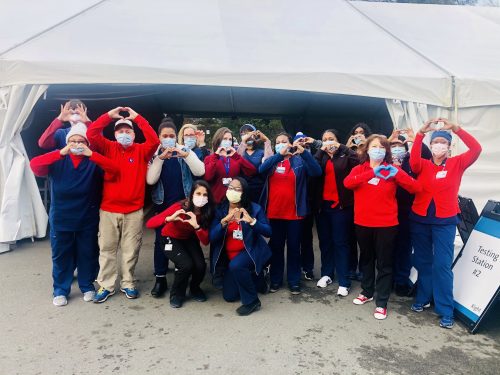

CT surgery step down APPs – Ashley Barba
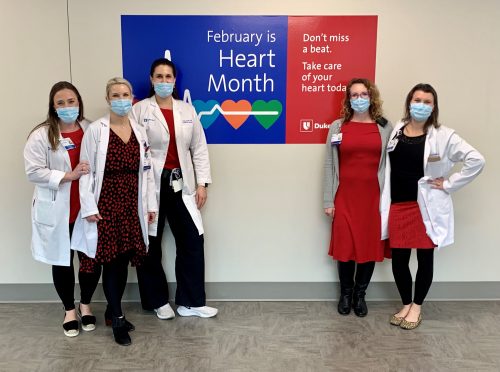
Heart Leadership sporting red kicks & putting in some steps! – Jill Engel and Manesh Patel
Team shot from Clinic 2F/2G – Vanessa Blumer

Duke Heart nursing leadership – Laura Dickerson
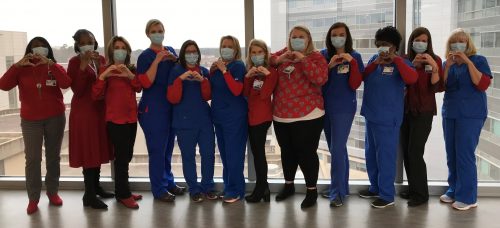
Congenital Heart Disease Awareness Week, Feb. 7 – 14
This week is designated as Congenital Heart Disease Awareness Week – a big shout-out to our team members working to support and care for our patients and families who are impacted by congenital heart defects.
One way to participate this week is via a free Facebook event on Friday, Feb. 12 at 7:30 p.m. called The Gio Project Recital: Robert Young & Polina Khatsko, a benefit concert. Robert Young and Polina Khatsko will share an evening of music for saxophone and piano to raise awareness of congenital heart defects. All donations from this event will go to Mended Little Hearts of the Triangle, a non-profit organization that supports and advocates for families and children that have been impacted by congenital heart defects. To learn more, visit: http://bit.ly/3aMNvm1.
ICYMI: Shah Featured on WRAL for #WearRedDay
Congratulations to Svati Shah – she was interviewed live by WRAL anchor Debra Morgan on Friday evening in recognition of Wear Red Day and Heart Month; Shah was able to promote the safety and importance of getting the COVID-19 vaccine when people become eligible, and gave WRAL viewers a number of important suggestions and health tips around cardiovascular disease. (Unfortunately, we do not yet have a link to share with you; we’ll provide once available.)
Earlier in the week Shah joined Nancy Brown, CEO of the American Heart Association, for a YouTube live stream event called Heart to Heart: Why losing one woman is too many (you can view it here: http://spr.ly/6016HjN3E). The event also featured Tamron Hall and Star Jones; discussions focused on heart disease in women and included testimonials from survivors. Shah again joined AHA’s Nancy Brown on Friday for a “coffee break” event that further promoted heart disease awareness.
Shah is a member of the AHA Board of Directors and is a strong advocate for not only helping increase awareness around CVD and prevention, but for encouraging and mentoring women in STEM careers while continuing to further her own research into the underlying genetics of heart disease.
Recent Faculty Promotions, Division of Cardiology
Congratulations to the following faculty members in the Division of Cardiology for their recent promotion within the Duke Department of Medicine:
 Maria Price Rapoza, PhD, to Associate Professor of Medicine (as of Feb. 1); Rapoza is the executive director of the Duke Cardiovascular Research Center. She provides executive management for cardiovascular research and has worked throughout her career to strengthen systems for conducting basic research.
Gerald Bloomfield, MD, to Associate Professor of Medicine with tenure (as of Jan.  1); In addition to his appointment in the DOM, Bloomfield holds a faculty appointment within Duke Global Health Institute and is a member of the DCRI; He has launched a clinical research program at Moi University in Eldoret, Kenya to determine the causes of heart failure among East Africans.
 Michel Khouri, MD, to Associate Professor of Medicine (as of Jan. 1); Khouri’s work is in the emerging field of cardio-oncology, researching better ways to identify cancer patients at higher risk for developing heart disease and heart failure during and after cancer therapy.
NC ACC FIT Jeopardy Team Advances
Wondering how the NC chapter fared in yesterday’s ACC FIT Jeopardy competition? They put in a strong performance, earning a spot at ACC FIT jeopardy nationals! The NC chapter’s team was comprised of a trio of Duke cardiology fellows: Kevin Friede, Zak Loring and JD Serfas. Great job!!! We anticipate that the ACC FIT Jeopardy nationals will take place during the ACC Scientific Sessions in May.
ACC Announces Full List of Distinguished Awardees for 2021
The American College of Cardiology last week announced the full list of those selected to receive distinguished awards during Convocation at the Scientific Sessions in May. The announcement states  that the “ACC’s list of 2021 Distinguished Awardees represents a diverse group of individuals from around the globe who are tangibly helping to transform cardiovascular care and improve the heart health of patients worldwide.”
Honorees with Duke ties include:
- Douglas P. Zipes, MD, MACC, Distinguished Young Scientist Award: Marat Fudim, MD, FACC
- Distinguished Scientist (Clinical Domain): Christopher M. O’Connor, MD, MACC
The ACC will also award the annual Pamela S. Douglas Distinguished Award for Leadership in Diversity and Inclusion to Quinn Capers, IV, MD, FACC, of UT Southwestern. The award was named in Douglas’s honor last year; she was the first recipient.
To see the full list, please visit: http://bit.ly/2YTQdjT. Congratulations to all receiving honors this year!
Reminder: Speaking of the ACC Scientific Sessions… Advanced registration ends March 31. Sign up now, save some $$.
Shout-out to EP, Echo Teams!
Jill Engel, associate vice president for Duke Heart Services, received a note of thanks earlier this week from Robert “Hap” Zarzour, executive director of Athletic Medicine at Duke, who wrote to thank several members of our team for their quick attention to and care of one of the athletic coaches last weekend. Engel shared the note with Pulse.
“I want to send this quick note to say thank you to you and your amazing team. One of our assistant coaches came in the training room this afternoon and was in A-Fib. I talked to Dr. Jeff Bytomski, and his fellow met him at Duke Sports Science Institute, took an EKG, labs and performed an exam. They sent the EKG to Dr. Jim Daubert for his review. He, as always, responded right away. I then called to schedule an echocardiogram and the staff really went above and beyond, seeing our coach immediately for the echo. I talked to Maggie Gordon and Kenny Walters who both were understanding and accommodating, particularly late on a Friday afternoon during a pandemic. This is only possible under your leadership. I was blown away at how great everyone was in the care of this patient. Duke is a great place but, as you know, sometimes we can get in our own way — but not in Duke Heart. Your team is the best example for patient healthcare. I am thankful and grateful to be able to work with your amazing staff. Coach Cutcliffe walked in when I was on the phone with scheduling and he could not believe how exceptional it went.” — Hap
Well done, team!! Keep up the great work!
Wofford Guest Presenter at Conemaugh GR

Brian Wofford, Duke Vice President of Heart Operations for Durham County, was a presenting speaker on Wednesday, Feb. 3 at Grand Rounds with Conemaugh Health System, a member of the Duke Life Point network. Wofford spoke on understanding the value and power of diversity, inclusion, and belonging; the importance of hearing first-hand experiences of personal success and failures, and encouraged self-reflection, deeper thinking, and conversations among audience members. Wofford has been involved in Duke’s Moments to Movement initiative and with the National Association of Health Services Executives (NAHSE) to encourage greater diversity, inclusion and belonging efforts. Great job, Brian!

DukeHeart On The Go Launches PAD/CAD CME Series
In collaboration with the Society for Vascular Medicine and Society for Vascular Surgery, Duke Heart has developed a certified 4-program educational series on PAD/CAD that appears on DukeHeart On The Go and MedEd On The Go, two platforms that provide micro-learning education in single learning objective episodes.
Two of the programs are available now:
- Identifying Patients with Peripheral Artery Disease
- New & Emerging Treatment Approaches in the Management of Patients with CAD/PAD
Two more programs will launch in February: Translating the Evidence to Practice Gaps (Case-based Session) and Improving Clinical Outcomes in Patients with CAD/PAD – A Case-based Review on Discharge Planning, Compliance and Adherence in the Ambulatory Patient. We will provide links once the programs are available.
DukeHeart On The Go modules are free once you sign up for an account. If you have any questions about the DukeHeart On The Go CME platform, please direct them to Christy Darnell.
COVID-19 Updates:
All the latest official DUHS information regarding coronavirus/COVID-19 response at the following locations:
Upcoming Opportunities/Save the Date:
Cardiology Grand Rounds
Feb. 9: The Dye Don’t Lie: The Evolution of Invasive Lesion Assessment from Contrast to Physiology to Contrast with Rajesh Swaminathan. 5 p.m., Webex.
Feb. 16: Coronary Disease Revascularization with Bernard Gersh of the Mayo Clinic. 5 p.m., Webex.
Feb. 23: Extravascular Targets in PAH: Metformin to Mobile Health with Evan Brittian of Vanderbilt University Medical Center. 5 p.m., Webex.
Scientific Leadership in a Public Health Crisis: A Conversation with Dr. Anthony Fauci and David M. Rubenstein
 Feb. 10, 4:30 – 5:15 p.m., this is the 2021 Victor J. Dzau Distinguished Lecture in Global Health, which is the highest-profile annual event organized by the Duke Global Health Institute. The event is supported by a gift from Victor J. Dzau, former chancellor of health affairs at Duke, to encourage education and discussion of interdisciplinary challenges to global health.
Event is free and will be streamed live on YouTube. Sponsored by Duke Global Health Institute. To learn more, visit: http://bit.ly/3q0UtKe.
ASE Live Webinar: Sonographer Professional Development
Feb. 18, 12:00 – 1:00 p.m., ET. Attendees will get a brief overview of five important professional development topics from eight experts in the cardiac sonography field with different backgrounds and career paths. The goal will be to help guide early career sonographers to growing within the field of echo and within ASE. The other goal is to gain feedback from the audience about which topics sonographers want to hear more about so that future webinars can be tailored to audience needs.
Moderators: Kristen Billick, BS, ACS, RDCS (AE, PE), FASE; Ashlee Davis, BS, ACS, RDCS, FASE
Speakers: Peg Knoll, RDCS, RCS, FASE; Elizabeth McIlwain, MHS, ACS, RCS, FASE; Jennifer Tresness, RDCS (PE, AE), RDMS(FE), FASE; Colin Dunbar II, RDMS, RDCS (AE, PE, FE), FASE; Ken Horton, RCS, ACS, FASE; Richard Palma, BS, RDCS, RCS, ACS, FSDMS, FASE
This activity is FREE for ASE Members, $25 for non-members. This activity does not offer CME credit. This webinar will be posted for on-demand viewing on the ASE Learning Hub in the weeks following the live broadcast.
Have news to share?
If you have news to share with the Pulse readership, please contact Tracey Koepke, director of communications for Duke Heart at tracey.koepke@duke.edu. We would love to hear about your latest accomplishments, professional news, cool happenings, and any events or opportunities that may be of interest to our Duke Heart family. Please call with any questions: 919-681-2868. Feedback on Pulse is welcome and encouraged.
Duke Heart in the News:
February 2 — Tracy Wang
Everyday Health
Gestational Diabetes Tied to Artery Damage Years After Pregnancy
http://bit.ly/3q33hzD
February 2 — Oliver Jawitz
Practical Cardiology
Women Less Likely to Undergo CABG Than Men, Despite Inclusion in Guidelines
http://bit.ly/3oPfPJs
February 3 — Oliver Jawitz and Brittany Zwischenberger
tctMD
Surgeons More Likely to Stray From CABG Best Practices in Female Patients
http://bit.ly/2NYYil4
February 3 — Oliver Jawitz
HealthDay News
Women Less Likely to Undergo Guideline-Concordant CABG
http://bit.ly/3oPmMtO
Duke Heart Week ending January 31st 2021
Highlights of the week:
Congratulations, DCRI!

Duke Clinical Research Institute (DCRI) is celebrating their 25th anniversary this year. In an email sent this week, DCRI executive director Adrian Hernandez wrote:
“Colleagues and Friends:
As we plan for a year of highlighting the importance of clinical research and DCRI’s contributions over the past 25 years, we do so with acknowledgment of the weight of a global pandemic and with deep gratitude for our colleagues and healthcare heroes who each day selflessly care for patients and strive to uncover solutions for the immediate crisis and its lasting impacts.
Twenty-five years ago, a group of pioneers formalized an organization around their vision of finding a new way to solve pressing public health needs and improving clinical care. Since that time, the DCRI has brought about fundamental and lasting changes to clinical research approaches, generating evidence that has directly contributed to improved patient outcomes.
Much has changed in the past 25 years, yet the DCRI’s mission remains constant: to improve health around the world through innovative clinical research. With resolve to bring original thinking to pathways explored and those emerging, with an understanding that asking the right question can reveal a new path for health, and with deep commitment to translate knowledge into clinical practice, the DCRI remains steadfast in its purpose to see the way forward in how clinical research should be done for the benefit of all.
I invite you to kick off our 25th anniversary celebration with us via a brief history lesson—and a trip down memory lane—from Robert Califf, MD, DCRI’s founding executive director.
Please stay tuned all year as we reflect on the vision that formally established the DCRI 25 years ago and our way forward. Throughout the year, we will highlight our faculty, fellows, and professional staff, as well as our collaborators and partnerships—without whom none of this would have been possible.
Thank you for being a part of our journey. Stay healthy, and be well.”
On behalf of Duke Heart, we wish the entire team of DCRI members and staff all the best as you celebrate this important milestone. We look forward to many more years of excellence!
Three Cardiology Fellows to Compete in ACC FIT Jeopardy
 Kevin Friede, Zak Loring and JD Serfas, three of our
  cardiology fellows, will represent the American College of Cardiology’s (ACC) NC Chapter of Fellows in Training (FIT) in the upcoming ACC FIT jeopardy competition on Saturday, Feb. 6 at 1 p.m. The competition will be held virtually via Zoom. You can watch all the action live at the following link: https://zoom.us/j/95006827345?pwd=L0RYQ1B6Nk4rV3VCYlV2RHAyZEdIQT09#success. The passcode is 170135. Friede, Loring and Serfas will compete against teams from Florida and New Jersey. Cardiology fellow Vanessa Blumer, FIT liaison, helped coordinate the event. Good luck, team!!!

2021 CPCR Grant Awarded to Duke
Congratulations to Jennifer Rymer, Manesh Patel, Schuyler Jones and Hope Weissler – they learned this week that their project, “Validating the Peripheral Artery Questionnaire and Vascular Quality of Life Questionnaire in a Population of Patients with Chronic Limb Threatening Ischemia”, has been selected for a 2021 Collaborative Patient-Centered Research (CPCR) grant. The grant will begin in July and is awarded by Vascular Cures, a CA-based non-profit dedicated to advancing research in vascular diseases. Jennifer Rymer will serve as PI.
Way to go!
Shout-out to Vax Volunteers
Bill Cockfield, PA-C from our electrophysiology team volunteered as an observer and Midge Bowers, FNP-BC volunteered as a Covid-19 vaccinator in the community at the Karsh Alumni Center. Thank you so much for taking up this call to action!
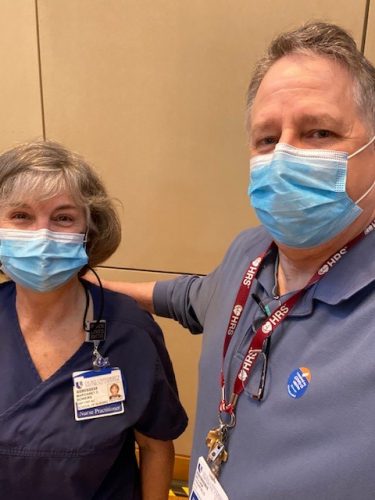
Good-bye January, Hello Heart Month
Tomorrow is the start of Heart Month and with that, a reminder that Friday, Feb. 5 is Wear Red Day; we’d love for you to share photos of yourself sporting a bit (or a lot!) of red. You’ll see heart-themed decor peppered throughout Duke University Hospital and clinics to celebrate Heart Month and to promote information related to cardiovascular disease and prevention – you’ll see balloons, elevator signs and other displays. Also of note, babies born at DUH this month will receive red onesies as part of the celebration. We will accept photos all month long of any activity you or your teams take on to celebrate Heart Month. Please email them to Tracey Koepke at tracey.koepke@duke.edu.
COVID-19 Updates:
All the latest official DUHS information regarding coronavirus/COVID-19 response at the following locations:
Upcoming Opportunities/Save the Date:
Cardiology Grand Rounds
Feb. 2: Clinical Pathologic Conference with David Nafissi. 7:15 a.m., Webex.
Feb. 9: The Dye Don’t Lie: The Evolution of Invasive Lesion Assessment from Contrast to Physiology to Contrast with Rajesh Swaminathan. 5 p.m., Webex.
Feb. 16: Coronary Disease Revascularization with Bernard Gersh of the Mayo Clinic. 5 p.m., Webex.
Feb. 23: Extravascular Targets in PAH: Metformin to Mobile Health with Evan Brittian of Vanderbilt University Medical Center. 5 p.m., Webex.
Have news to share?
If you have news to share with the Pulse readership, please contact Tracey Koepke, director of communications for Duke Heart at tracey.koepke@duke.edu. We would love to hear about your latest accomplishments, professional news, cool happenings, and any events or opportunities that may be of interest to our Duke Heart family. Please call with any questions: 919-681-2868. Feedback on Pulse is welcome and encouraged.
Duke Heart in the News:
January 21 — Michael Pencina
CNN.com
‘Fat but fit’ is a myth when it comes to heart health, new study shows
http://cnn.it/2KINmqH
January 26 — Michael Pencina
PhillyTrib.com
‘Fat but fit’ is a myth when it comes to heart health, new study shows
http://bit.ly/3ahxBQk
January 26 — Duke School of Nursing
U.S. News & World Report
U.S. News Announces 2021 Best Online Programs Rankings
http://bit.ly/39waFxs
January 27 — Manesh Patel
CBS17.com
Raleigh lawyer struggling with heart damage months after COVID-19 infection
http://bit.ly/3r6dNGe
January 28 — James Daubert
Medscape
Factors Predict Survival After Coronary Angio in Postarrest Patients
https://www.medscape.com/viewarticle/944873
January 28 — Tina Tailor (Radiology)
RSNA.org
Lung Cancer Screening Images Used to Identify Heart Conditions
https://www.rsna.org/news/2021/january/lung-cancer-screenings-and-the-heart
January 28 — Robert Califf
NBCNews.com
U.S. is in a ‘race against time’ with new coronavirus variants, scientists warn
http://nbcnews.to/2YuUgDh
Duke Heart Week Ending 1-24-2021
Highlights of the week:
Sondej Departs Duke Heart; Headed to OneMedical
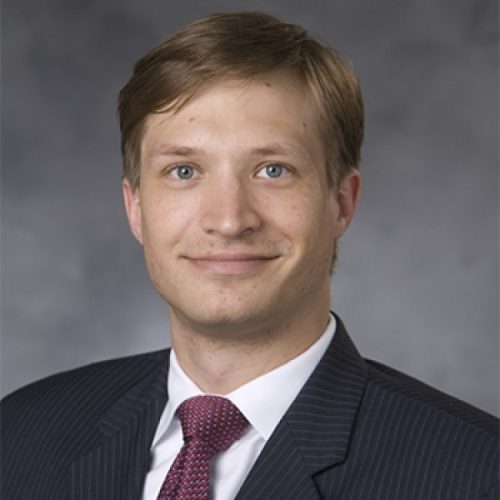 Sean Sondej, Vice President of Heart Services for Duke University Health System, spent his final week with Duke Heart wrapping up his transition period and receiving well-wishes from colleagues. Sondej has joined the team of OneMedical, a membership-based, technology-driven primary care organization. The company is headquartered in San Francisco, CA and New York, NY, but has launched locations in 15 metropolitan areas throughout the U.S, including Raleigh. In August, 2020, the company announced their intention to launch services in North Carolina through a partnership with Duke Health. Sondej will serve as their Vice President of Strategic Partnerships.
Sondej probably didn’t realize it at the time, but his start as an administrative fellow at Duke in 2003 would lead to a career in healthcare administration at Duke that would span just over 17 years. Not all of that time has been with Duke Heart; Sean has also worked with Med/Surg/Critical Care, Psychiatry and Emergency Services, and worked as a member of Strategic Operations.
As noted by William Fulkerson, MD, in a December 2020 announcement that Sean would leave Duke at the end of January, “[Sean’s] talents were quickly recognized, and he advanced here to fulfill many important roles, including partnering with physician and nursing leaders to lead our Heart Center CSU during a critical period of growth. Instrumental in creating our Heart Care Plus collaboration with WakeMed and working with many other local hospitals to expand high quality care in their communities, Sean is admired as a relationship-builder, a strategic thinker and an effective leader of great character. Throughout his career at Duke, he has mentored many colleagues and developed the people around him, including sponsoring our MINDS affinity group to support our young professionals.”
During his time with Duke Heart his accomplishments were recognized with several awards, including a Triangle-area Healthcare Hero Award in 2017, an honor given annually by the Triangle Business Journal. He was also recognized by Modern Healthcare in 2013 as an Up & Comer.
Sean has helped Duke Heart in so many ways – not the least of which were efforts taking place behind the scenes in advocacy and support. For those who have worked most closely with him, we know him as a genuinely caring, hard-working and dedicated colleague who not only advocates for others but who is willing to take on whatever job is needed in order to get our team beyond the finish line. Whether lending a hand to a unit move in the hospital, or to pitch in on community events such as Heart Walk, he is a team player.
We spoke with Sean late this past week to get his thoughts on his time at Duke. Here is what we learned:
“Being able to say that I’ve been a part of Duke Heart has always made me so proud, and at the same time I’m so appreciative that I’ve always been made to feel a part of the team and to be seen as someone who can help. Watching what our people and teams are capable of each day has inspired me and driven me, and is something I will miss a lot,” he said. “I know this is something that is always said, but I was always struck by what each person was willing to do at all hours of the day in order to make sure the right thing happened. That’s special, different, and something to be cherished and to be thankful for.”
As for his experiences and how they have shaped him, Sondej added:
“I’m the person I am because of the people at Duke, especially in Heart. I’ve been with this team for more than half of my time at Duke; that’s more than with any other team by a factor of two. The people of Duke Heart mean so much to me, have helped me in so many ways, and have shaped who I am as a person. I owe all of you so much.
“While so many things are changing around us, it will always be true that doing the very best for others will be the right path. Duke, and the Heart Services team, are capable of both setting the standard and continuing to aspire to more. I wish you all the best, but know that you’re already on the way.”
Sean, thank you for all you have done to support the Duke Heart team over the years. You will be missed! We wish you all the best at OneMedical and beyond.
ICYMI: Rajagopal’s Latest Appears in Current Issue of Science
Congrats to Sudarshan Rajagopal of the Duke Cardiovascular Research Center and his co-authors! Their paper, “Noncanonical scaffolding of Gαi and β-arrestin by G protein-coupled receptors,” has just been published online, ahead of print, in Science. A link to the article is here: https://pubmed.ncbi.nlm.nih.gov/33479120/.
Way to go!!!
COVID-19 Updates:
All the latest official DUHS information regarding coronavirus/COVID-19 response at the following locations:
Upcoming Opportunities/Save the Date:
Cardiology Grand Rounds
Jan. 26: DCD Heart Transplantation with Adam DeVore, Ben Bryner & Sharon McCartney. 5 p.m., Webex.
Feb. 2: Clinical Pathologic Conference with David Nafissi. 7:15 a.m., Webex.
Feb. 9: The Dye Don’t Lie: The Evolution of Invasive Lesion Assessment from Contrast to Physiology to Contrast with Rajesh Swaminathan. 5 p.m., Webex.
Feb. 16: Coronary Disease Revascularization with Bernard Gersh of the Mayo Clinic. 5 p.m., Webex.
Feb. 23: Extravascular Targets in PAH: Metformin to Mobile Health with Evan Brittian of Vanderbilt University Medical Center. 5 p.m., Webex.
Conversations with Colleagues
It’s not too late to talk with your colleagues about recent events in Washington, D.C. The recent violence at the U.S. Capitol has left many of us feeling strong emotions, including sadness, anger, and grief. If you would like to process your emotions together with your fellow team members, Conversations with Colleagues is holding a special series of Zoom meetings – beginning January 20 – dedicated to the topic. The gatherings are guided by a Duke social worker and participants agree to offer one another a supportive environment. Each discussion can include up to 30 people, and seats are available on a first-come, first-served basis. To see the topics and to sign up, please visit: bit.ly/CwCDCEvents.
February is Heart Month!
It’s hard to believe, but January is nearly over and we’re getting ready to celebrate Heart Month:
Feb. 5: Wear Red Day. Share your spirit with colleagues working in the cardiovascular and cardiothoracic space, as well as your support of all those living with and experiencing cardiovascular diseases: wear some red and wear it proudly! (Take pics & share them with Pulse!)
Have news to share?
If you have news to share with the Pulse readership, please contact Tracey Koepke, director of communications for Duke Heart at tracey.koepke@duke.edu. We would love to hear about your latest accomplishments, professional news, cool happenings, and any events or opportunities that may be of interest to our Duke Heart family. Please call with any questions: 919-681-2868. Feedback on Pulse is welcome and encouraged.
Duke Heart in the News:
January 13 — Manesh Patel
TheHealthy.com
What Is Acute Heart Failure? Here’s What You Need to Know
http://bit.ly/35Y7j3U
January 18 — Joseph Rogers
CBS17.com
Signs of improvement appear in NC’s still-high COVID-19 numbers
http://bit.ly/3sH4Dl6
January 18 — Joseph Rogers
WRAL.com
Could NC be moving past post-holidays spike in coronavirus cases?
http://bit.ly/35YOmhJ
January 20 — Renato Lopes
Medscape
ACEIs, ARBs Safe to Continue in COVID-19: Trial Published
https://www.medscape.com/viewarticle/944439
January 20 — E. Magnus Ohman
Healio/Cardiology
Evolocumab may reduce likelihood of future revascularization in established ASCVD
http://bit.ly/3phMPuM
January 21 — Renato Lopes
Physician’s Weekly
RAAS Inhibitors Don’t Affect Covid-19 Outcomes in Hospitalized Patients
http://bit.ly/3a2rQ8K
January 21 — Michael Pencina
CNN.com
‘Fat but fit’ is a myth when it comes to heart health, new study shows
http://cnn.it/2KINmqH
January 21 — Joseph Rogers
CBS17.com
With some of NC’s COVID numbers improving, now comes the wait for drops in lagging indicators
https://bit.ly/3pdH01s
January 22 — Stephen Greene
TheHealthy.com
These Are the 4 Stages of Heart Failure
Division of Cardiology Publications Indexed in PubMed Jan. 14 – 20, 2021
Beijnink CWH, Thim T, van der Heijden DJ, Klem I, Al-Lamee R, Vos JL, Koop Y, Dijkgraaf MGW, Beijk MAM, Kim RJ, Davies J, Raposo L, Baptista SB, Escaned J, Piek JJ, Maeng M, van Royen N, Nijveldt R. Instantaneous wave-free ratio guided multivessel revascularisation during percutaneous coronary intervention for acute myocardial infarction: study protocol of the randomised controlled iMODERN trial. BMJ Open 2021;11(1):e044035. PM: 33452200.
Califf RM, Curtis LH, Harrington RA, Hernandez AF, Peterson ED. Generating evidence for therapeutic effects: the need for well-conducted randomized trials. J Clin Invest 2021;131(2):10.1172/JCI146391. PM: 33270604.
Fanaroff AC, Lopes RD. Antithrombotic Regimens in Low-Risk Patients Undergoing Transcatheter Aortic Valve Replacement: Trials Evaluating Patient-Centered Outcomes Needed. Circ Cardiovasc Interv 2021;14(1):e010331. PM: 33423539.
Kaur S, Chen Y, Shenoy SK. Agonist-activated glucagon receptors are deubiquitinated at early endosomes by two distinct deubiquitinases to facilitate Rab4a-dependent recycling. J Biol Chem 2020;295(49):16630-16642. PM: 33453899.
McCarthy J, Patrinos G, Ginsburg G. Welcome to the 18th volume of Personalized Medicine. Per Med 2021;18(1):1-3. PM: 33459576.
Navar AM, Wang TY, Li S, Mi X, Li Z, Robinson JG, Virani SS, Peterson ED. Patient-Perceived Versus Actual Risk of Cardiovascular Disease and Associated Willingness to Consider and Use Prevention Therapy. Circ Cardiovasc Qual Outcomes 2021;14(1):e006548. PM: 33435730.
Nelson AJ, Ardissino M, Haynes K, Shambhu S, Eapen ZJ, McGuire DK, Carnicelli A, Lopes RD, Green JB, O’Brien EC, Pagidipati NJ, Granger CB. Gaps in Evidence-Based Therapy Use in Insured Patients in the United States With Type 2 Diabetes Mellitus and Atherosclerotic Cardiovascular Disease. J Am Heart Assoc 2021;10(2):e016835. PM: 33432843.
Pakharukova N, Masoudi A, Pani B, Staus DP, Lefkowitz RJ. Allosteric activation of proto-oncogene kinase Src by GPCR-beta-arrestin complexes. J Biol Chem 2020;295(49):16773-16784. PM: 33453910.
Polcwiartek C, Atwater BD, Kragholm K, Friedman DJ, Barcella CA, Attar R, Graff C, Nielsen JB, Pietersen A, Søgaard P, Torp-Pedersen C, Jensen SE. Association Between ECG Abnormalities and Fatal Cardiovascular Disease Among Patients With and Without Severe Mental Illness. J Am Heart Assoc 2021;10(2):e019416. PM: 33432845.
Rodriguez-Homs LG, Hammill BG, Ryser MD, Phillips HR, Mosca PJ. Relationship Between HCAHPS Scores and Survey Response Rate Is Linked to Hospital Size. J Patient Exp 2020;7(6):1543-1548. PM: 33457612.
Samei E, Richards T, Segars WP, Daubert MA, Ivanov A, Rubin GD, Douglas PS, Hoffmann U. Task-dependent estimability index to assess the quality of cardiac computed tomography angiography for quantifying coronary stenosis. J Med Imaging (Bellingham) 2021;8(1):013501. PM: 33447644.
Sparks MA, Rianto F, Diaz E, Revoori R, Hoang T, Bouknight L, Stegbauer J, Vivekanandan-Giri A, Ruiz P, Pennathur S, Abraham DM, Gurley SB, Crowley SD, Coffman TM. Direct Actions of AT (Type 1 Angiotensin) Receptors in Cardiomyocytes Do Not Contribute to Cardiac Hypertrophy. Hypertension 2021;77(2):393-404. PM: 33390039.
Xu H, Farmer HR, Granger BB, Thomas KL, Peterson ED, Dupre ME. Perceived Versus Actual Risks of 30-Day Readmission in Patients With Cardiovascular Disease. Circ Cardiovasc Qual Outcomes 2021;14(1):e006586. PM: 33430612.
Duke Heart Week ending 1-17-2021
Chief’s message: Transitions
The country is appropriately fixated on a peaceful transition of power this week as Joe Biden is sworn in as the 46th President of the United States. Closer to our home in Durham, we are also dealing with several transitions. The Duke Heart group lost a true leader this week in Amy Kessenich, a senior director of our Heart Network and kind soul who continued to work on our quality in the network up until her passing. Our thoughts and prayers are with her and her family, and we hope to celebrate her life once the pandemic is better.
We have also had several faculty transitions over the last several years, and this week we announce the retirement of Doug Schocken, a mere 54 years after arriving at Duke as a Freshman in 1966. He has blessed us with a wonderful walk down his memories at Duke seen below in the Pulse. We are lucky to continue to have Doug interact with us for some time and look forward to hearing about his next adventures. In the clinic and on the wards, we will miss his wit, his ability to provide thoughtful and important points at clinical case conferences, grand rounds, and in general practice. Our fellows will miss his ECG teaching, although we will aim to keep some of that going. Perhaps most of all, with our some of our faculty retiring, or in the case of some unfortunately passing away, we will miss the ability to have the continuity and direct relationship to the Duke culture of excellence that they have embodied for some many years. So hopefully like many transitions, we will focus on continuing the legacy research, education, and clinical care while recognizing our privilege of standing on the shoulders of those that have come before us and taught us.
News from the Week:
Passings: Amy Kessenich, Senior Director, Duke Heart Network
 We are deeply saddened at the loss of Duke Heart Network’s Senior Director, Amy Kessenich, MHA/MPA, BSN, RN. The news of her death was shared on Thursday with faculty and staff of the Duke University Health System in an announcement made by the senior leadership team of Duke Network Services. Their statement:
“It is with the heaviest of hearts that we share with you the passing of our esteemed colleague, Amy Kessenich, on January 13, 2021. Amy’s positive influence has been an inspiration to Duke and our affiliates for almost 30 years. A consummate nursing professional, Amy brought her energy, enthusiasm and brilliance to a career that spanned a variety of clinical and leadership roles in bedside nursing, quality, performance improvement, Heart Center excellence and affiliations.
Amy truly believed that it was the responsibility of large systems, privileged with a breadth of expertise and resources, to ally with community hospitals and physicians to enhance access to high-quality health care at the local level. Amy embodied this belief when she relocated with her family to Lumberton, NC, in 2006 to serve as the Duke-employed director of the Southeastern Health cardiovascular service line. She subsequently served as senior director of the Duke Heart Network (DHN) from 2012 until her death.
Amy worked tirelessly with her team and colleagues in the Duke Heart Center to assimilate evidence-based care and data-driven approaches to performance improvement to advance health together with our DHN affiliates. As a leader, she bolstered the confidence and skills of those with whom she worked, both formally and informally. Amy was by nature a nurturer of others. Her self-worth was mirrored in the growth of those around her through teaching, influencing, reinforcing and encouraging staff and physicians.
Our hearts are comforted by the knowledge that Amy’s spirit remains in the lives that she enriched through the selfless work and commitment she gave to our organization and our affiliated communities. At Duke, we strive for excellence. Amy defined excellence through her every action, throughout every day. This is the legacy she leaves with us. Let us all aspire to her greatness through the merits of our own actions.
Amy’s family has requested that in lieu of flowers, donations may be made to the American Cancer Society in her memory.
We extend our condolences to her family, friends and colleagues. Her loss is felt deeply by so many, including those who shared the following with us:
“Amy was the guiding light for our Duke Heart Network personally, professionally, and most importantly for our entire North Carolina community. She was able to improve clinical care across our region by applying data driven evidence based practice with a consistent, humble, and patient centered manner. Personally, Amy encouraged and taught me and generations of our faculty, fellows, to impact and improve the health of our communities.
She will be missed, and our thoughts and prayers are with her family.”
Manesh Patel, MD, Chief of the Division of Cardiology and Co-Director of Duke Heart Center
“My heart is truly broken by the passing of Amy. The world has lost a wonderful person. She was one of the most deeply caring, kind, generous, warm, and compassionate individuals I have known. Her passion was extending Duke’s excellence beyond the local Duke environment – and in the process she transformed many programs for the better. She had an intuitive knack for always knowing what to do, when and how – and imparted that wisdom to all around her. She was quick to praise when other were successful, gaining the greatest satisfaction when she succeeded in helping those around her. She really was the “Best of Duke” – and we will all miss her dearly.”
James Tcheng, MD, professor of medicine in cardiology
“I was fortunate to begin learning from Amy almost 17 years ago right after I first started at Duke. At the time, Amy was leading the quality improvement efforts of the Heart Center before she expanded her work to the Heart Network affiliates. As we all know, improvement requires change. Not just of processes, but ultimately of how each person shows up each day. Facilitating the latter is far harder and requires relationships, trust, humility, and perseverance. It’s not just the data, it’s the art of bringing multiple points of view to the same conclusion. Amy set the standard for how to encourage people and teams to aspire to more, while not dwelling on past mistakes. I learned so much from watching her over the years, as I know many others did. And through Amy’s efforts, thousands of patients received better care, were saved, and have Amy to thank.”
Sean Sondej, Vice President, Duke Heart & Vascular Services
“Amy helped me to reach beyond myself, to strive for what was possible, not just what was easy. I will carry the memory of her constant and patient mentorship with me for the rest of my life.”
Jean Klingenberger, MBA/MHA, BSN, RN, Associate Clinical Director, Duke Heart Network
“I have had the pleasure of working alongside Amy for the last four years and not a day went by that I didn’t learn something from her. She always carried herself as the utmost professional and ambassador for Duke Health, even while fiercely and quietly battling her illness. She maintained optimism even in the most challenging situations and never settled for anything less than the best. Her dedication to her career and those she served was extraordinary. The imprint she has left on Duke, her colleagues, and our communities will last for decades to come.”
Melanie Watson, MSN, RN, Assistant Vice President of Specialty Affiliations, Network Services
“As Amy is remembered for being a brilliant health care leader who made countless contributions to improving heart care across the country, I also want to recall the exemplary care that Amy provided at the bedside. I’ll never forget the warmth and confident expertise that Amy provided in the cardiothoracic ICU and especially during a time when she cared for one of my family members many years ago. I believe that her endless compassion and uncompromising excellence in caring for patients was at the heart of what made her a beloved leader who was successful in advancing quality and program development at community hospitals nationwide to the benefit of thousands of patients. Some of us had the privilege of having Amy as friend and mentor for nearly 30 years during her career at Duke. We will always miss her, but we are comforted by the fact that her legacy as a true health care hero will continue to inspire us for years to come.”
Harry Phillips, MD, Chief Medical Officer, Duke Network Services
Doug Schocken, MD, Retires from Duke Cardiology
Quietly on Friday, January 15, Doug Schocken, MD, hung up his stethoscope and turned in his Duke badge – retiring after more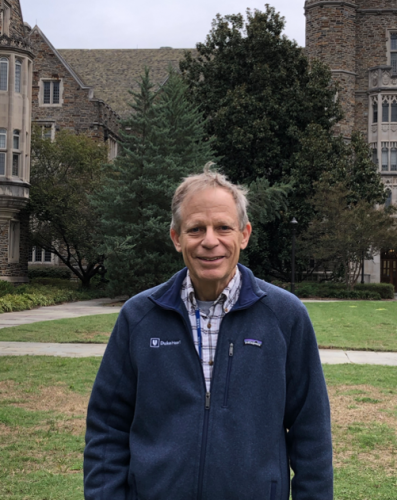 than 30 years as an intellectually driven cardiologist and clinician-investigator. We asked Doug to share his thoughts on his career in medicine and his time at Duke. We also invited several colleagues to share their thoughts on their work with him. Here is what we learned.
“I spent half of my adult life at Duke, wrote Schocken. “I came here at age 18 and have spent 26 years here (in three iterations) and 27 years in Tampa. I have many yarns to spin, but will emphasize my experiences with Duke Cardiology.
 I came to Duke as a freshman in 1966. When my dad had his first MI at age 49 in 1968, that was my “a-ha moment.” I figured that if I was destined to get this illness, I’d better learn something about it. I would watch surgery. In the OR’s in Duke South, the 5th floor had windows that looked down into the OR’s on the 4th floor. Great views and you didn’t have to scrub. I stumbled into one of the first W-P-W cases, with the venerable Will Sealy opening the chest, John Gallagher wielding plunge electrodes and Ray Ideker running the Grass multi-channel recorder. Dr. Andy Wallace was conducting the whole show. Once I got to medical school, my first heroes were Drs. Bill Floyd and Jess Peter. They were gifted clinically, had real compassion and were master teachers. I also had opportunities to round with Dr. Eugene Stead and Dr. Edward Orgain, the original Duke Cardiologist and a student of Paul Dudley White at MGH. Dr. Orgain used to make rounds on Sundays, arriving after church in his fine linen suit and equally fine straw hat, called a ‘skimmer’. He was an ‘old school’ attending.
As a resident in the CCU in Duke South in those days, there were only PGY-2’s, no PGY-1’s or 3’s. Twenty-four hours on and 24-hours off for six weeks. Oh, and you had to show up for morning and evening rounds on your days off. We had two fellows who alternated weeks on. We never saw them except occasionally on rounds. Mine were George Cooper, later at MUSC, and Wayne Alexander, later chief of cardiology and medicine at Emory. The CCU resident had to carry the defibrillator to codes, up and down the stairs of Duke South. Woe be unto the resident who dropped the 25 pound Life-Pak 1 down a stairwell.
Joe Kisslo arrived from Yale when I was a 2nd year medical student. Joe got to play with the first Duke 2D echo system in the Western Hemisphere (really the first good 2D system anywhere). The unit was the brainchild of Olaf Von Ram and filled an entire room in Duke South. You could hardly fit the bed and the sonographer in the same space, and those vacuum tubes could generate some heat. It seemed that nearly every echo request led to one manuscript or another. No one had ever seen anything like this in real time.
I came back from the NIH in 1977 having the swollen head that only a first-author paper in Nature could bring. After my time in ‘Lefkoland,’ in 1980, as with all the other research fellows in the pre-DCRI era, we had to present at the monthly Cardiology Research Conference. By that time, Joe Greenfield was the Division Chief. At the end of my presentation of many elegant binding curves and adenylate cyclase assays, Joe (as only he could do), gruffly bellowed, “Schocken, that was mighty fine science…but it sure wasn’t cardiology.”
In 1981, I weighed all my options and selected a young school in a young city and cast my lot with the University of South Florida (USF) in Tampa. I had a great career there, met my wonderful wife, Dawn, had two terrific kids (both Duke grads), but my “Tampa Tales” are for another time.
I owe a great debt of gratitude to Pam Douglas, Chris O’Connor, Howard Rockman and Tom Bashore for having faith in me and trust in my ability to help the division after the untimely passing of Fred Cobb. They engineered a plan to bring me back here in 2008, and I am most grateful for the opportunity that brings me now to the conclusion of a wonderful career in clinical academic cardiology.
What does the future hold for me? More time with my wife, who has put up with my 13 year “deployment” from Tampa. I’m going to continue reading ECG’s for Duke. I am looking forward to tuning up my sailboat, playing golf, working on DIY projects, including my deconditioned body (victim of the pandemic’s closure of Duke’s gyms). I hope to do some fishing — lots of fishing. I have an enormous list of books to be read, many of which I already own. I also have lots of movies and TV series to watch. I’ve heard that “Seinfeld” is good. My wife got me a new camera several years ago, and I’m itching to use that, too.
Last, to all my colleagues who have supported me with great referrals and thoughtful consults, thank you very much. To all the many, many staff members, administrators, PA’s, nurses, technicians, and medical assistants, especially those from my clinical home at Southpoint, thank you. You have contributed in so many ways to make my career much more than it would have been otherwise. It’s been a great ride.”
Schocken served as president of the Duke University Collaborative Cardiovascular Society (DUCCS) from 1997 to 1999, and has served as Medical Director of the Southpoint Clinic since 2011. A small retirement celebration was held on Friday.
“The folks at Southpoint gave me a beautiful send-off, suitably masked and (mostly) distanced with take-away cookies sealed in cellophane and bottled water to consume elsewhere,” added Schocken. “I got lots of very thoughtful gifts and mementos. It was wonderful.”


Our colleagues shared the following:
“I was delighted when we were able to recruit Doug to return to Duke in 2008 after his years leading the USF cardiology program and fellowship. Among other strengths, he brought rich expertise and national leadership in cardiac rehab and prevention, helping to fill the gap left by Fred Cobb’s untimely death in 2006; in electrocardiography, taking over from Galen Wagner; and heart-mind interactions, stepping in after Chris O’Connor’s departure. It is emblematic of Doug’s quiet competence that he has contributed so much to the Division’s clinical and educational programs, yet asks for little recognition. It is a real personal pleasure on his retirement now, to fully acknowledge, and celebrate, his impact on the Division, the Heart Center and Duke Health.”
Pamela Douglas, MD, Ursula Geller Distinguished Professor for Research in Cardiovascular Disease
“Having been a resident and cardiology fellow at Duke, both Tom Bashore and Chris O’Connor were keen on trying to recruit Doug back to Duke to lead our outpatient clinical Cardiology practice at Southpoint. For me, however, it was his love of the beta-adrenergic receptor that was the key driver of getting Doug back to Duke. In the late 1970’s, using newly developed radioligand binding methods, Doug published a seminal paper describing changes in beta adrenergic receptor density in humans with ageing. His work led to the eventual discovery of the deficit of adrenergic receptors in heart failure and ultimately to the conceptual basis for why we use beta-blockers in the current management of patients with heart failure.
Doug’s inquisitive nature and sharp intellect has been instrumental in our ability to transform Cardiology at Southpoint into a vibrant academic clinical cardiology practice that is second to none. Whether it was a discussion about the interpretation of a difficult ECG, a complex patient medical problem or just being able to schmooze about “receptors,” Doug had this ability to always bring the joy of medicine and discovery into one’s life.”
Howard Rockman, MD, Edward S. Orgain Distinguished Professor of Cardiology and Director, Duke Cardiovascular Research Center
“Doug is one of the most vibrant and compassionate people I know. He is always insightful and respectful; and is a walking encyclopedia of Duke Cardiology history. He embodies the Duke Cardiology Training Program experience and why we all love it so much. He bleeds Blue and I will always cherish his words of wisdom, his sage advice, and his thoughtful mentorship!”
Rich Krasuski, MD, Director of Duke University Collaborative Cardiovascular Society (DUCCS)
“It has been an honor to share a workroom with Doug at Southpoint for the past two years. Doug is a masterful clinician who taught me a great deal about what it means to connect to patients on a personal level while providing world class care. Every Monday and Tuesday morning I looked forward to seeing where our casual conversations would lead. Invariably they led to non-medical topics – our childhoods, travels, hobbies, books, and, most often, our families. I have come to appreciate that, despite all of his academic and clinical accomplishments, Doug is most proud of who he is as a father and husband. Thank you, Doug, for showing me what true success looks like. I am looking forward to our continued friendship.”
Robert Harrison, MD, assistant professor of medicine in cardiology
“I remember during his first week back at Duke, we needed help on the inpatient heart failure service and we asked Doug to round. Bright and chipper at 7:30 in the morning, he began to care for over 30 patients. His intellectually thoughtful and careful attention to detail provided excellent care one by one, but at 5 p.m., when I went to check on him, he was only halfway through rounds with several hours to go. I reminded Doug that sometimes we cannot address every single medical problem of every patient as an inpatient (the Stead way) and some of these could be left for work-up in the outpatient clinic. He smiled, kept rounding in his way, and happily finished at midnight. Over the years, Doug built an important and complex practice seeing up to 60 patients a week emphasizing his passion for prevention of heart failure and ischemic heart disease.
I know everyone in Duke Cardiology will miss Doug. His quite intellectual approach, thoughtful commentary, and his commitment to the long-lasting principles of the Division, including the fellowship and the DUCCS organization will be remembered.
While Doug may not be seen at Duke South on a day-to-day basis, he will continue the Duke legacy by remaining editor of the Marriot EKG book that Galen Wagner had led, participating in educational programs, and continuing to advocate for Duke Cardiology.
Thank you Doug for your service to Duke, your patients and colleagues will be forever grateful.”
Christopher O’Connor, MD, President of Inova Heart & Vascular Institute and former division chief of Duke Cardiology
ACLS/BLS Update
A group of faculty members who attended the July and October, 2020 ACLS/BLS classes sponsored by Duke Heart received an email entitled “Extremely Urgent.” This was sent out in error. (Apologies!) As long as you have a current card, there is no further action needed on your part. The modules/test/hands-on check offs you completed are sufficient for renewal. Please check your spam email if you are still in need of your card. Hat tip to Laura Dickerson for letting us know about this!
Lefkowitz Memoir Coming Soon
Robert Lefkowitz has a soon-to-be published memoir hitting shelves on Feb. 2. A Funny Thing Happened on the Way to Stockholm: The Adrenaline-Fueled Adventures of an Accidental Scientist is available for pre-order; it’s being published by Simon & Schuster. An article about it appeared last week in Duke Today, accessible here.
Congratulations, Bob!
Fellows Recognized by Duke Emergency Services
We are pleased to share some recognition of our Fellows courtesy of Duke’s Emergency Department. In a note shared with us today by Anna Lisa Crowley, we found recognition of Matt Carlisle, Jessica Duran, Sipa Yankey and Michelle Kelsey. “In an effort to recognize our hard-working consultants down in the Emergency Department, we initiated a Consultant Kudos program as a way to give a friendly shout-out to our colleagues. Attached are the comments we have received over the last several months for your service. Special thanks to these amazing residents!”
Carlisle: Matt was extremely pleasant over the phone. He also spent awhile helping me better understand an EKG! (10/31); Thank you for being thorough and kind and spending a lot of time with the family! You came up with a reasonable plan for a somewhat difficult patient with real comorbidities complicated by anxiety and dementia. Thanks! (9/5)
Yankey: Expeditious, very helpful. Came immediately to speak to the team in person rather than over the phone. Provided helpful information regarding work-up and management of similar patients in the future. (12/28); Did an amazing job helping me in the waiting room to see patients. It was a day in the ED that was exceptionally busy with no beds to evaluate patients in. He’s very gracious and kind and seeing patients through their waiting rooms and giving them exceptional care. He was even able to help expedite the admission process for two of the patients who are in heart failure exacerbation. I appreciate his kindness and care for these patients and his clear communication about the plan. He is a great role model for his colleagues of what an exceptional consultant looks like. (10/16); He is always so friendly and happy to discuss the patient with you. Even if it’s a consult for abnormal troponin, and the issue is not cardiac, he is extremely helpful (12/14)
Duran: Excellent bedside manner, efficient and kind. Such a positive interaction with every consult and always willing to teach and discuss the patient even at 3 a.m. (9/28)
Kelsey: Michelle was incredibly patient and helpful with two cardiology consults in the middle of the night. She was enthusiastic about teaching and talked through her thought process, which was a great learning opportunity for me (EM intern). Thank you! (10/6)
Great job, Fellows! Thanks for always being incredible representatives for Duke Heart!!
ICYMI:
Just in time for MLK day! Congratulations to Jennifer Rymer and co-authors, Camille Frazier-Mills, Larry Jackson, Kevin Thomas, Pamela Douglas, Andrew Wang, Manesh Patel and Anna Lisa Crowley for their article, Evaluation of Women and Underrepresented Racial and Ethnic Group Representation in a General Cardiology Fellowship After a Systematic Recruitment Initiative, published online in JAMA Network on Jan. 11. (Check out news coverage below!)
It’s a great recognition of important work by our program leaders and a shout out to our fellows. Nicely done!
Karsch Vaccination Site Needs Volunteers:
Manesh Patel shared a note with faculty earlier this week regarding the Karsch Vaccination Site’s need for staffing assistance. There is a need for volunteers who can administer the COVID Vaccine to patients. In order to volunteer you have to go to the NCID website and register (it only takes about 5 minutes). Once you register, you also have to email Rebecca Cray so that they can associate your registration with Duke (at the NC website this may take a few days/week). Once done – if interested — you are ready to volunteer. We thank you for considering.
The Karsch Vaccination Site is in need of physicians, APPs and RNs to support the site from 4-8 p.m. on weeknights and weekends, particularly over the next two weeks. If you are willing and able to help out, please follow the instructions below to register with the state and then send Rebecca (cc’d here) your NCID User name so she can work with the state to expedite your registration and put you on the schedule for the times you are able to work.
PART 1
Complete this process:
- Go to https://ncid.nc.gov/
- Click register (bottom right corner, blue box)
- Click Business user type option
- Complete the required fields to create an NCID
- Follow the steps to access your NCID account and create your security question.
PART 2
When complete – please forward your NCID USERNAME to Rebecca Cray Concha (rebecca.cray@duke.edu) so that we can link it to DUHS. Please also provide the email that you used to register.
Many thanks to all who have already volunteered!
COVID-19 Updates:
All the latest official DUHS information regarding coronavirus/COVID-19 response at the following locations:
Upcoming Opportunities/Save the Date:
MLK Day
On this MLK Day and National Day of Service, we invite you to join Duke in supporting our community through COVID-safe service. The Duke Office of Durham and Community Affairs is hosting a virtual food drive through the Interfaith Food Shuttle. A virtual food drive serves as a wonderful opportunity to support efforts that combat food insecurity and hunger in North Carolina while also remaining safe at home. Contribute to this fundraiser here.
For more information about Interfaith Food Shuttle, visit their website at foodshuttle.org. This event is sponsored by the 2021 Dr. Martin Luther King Jr. Commemoration Committee. For more information about this and other MLK events, visit https://mlk.duke.edu
Cardiology Grand Rounds
Jan. 19: Neha Pagidipati, Dana Portenier & William Yancy presenting A Practical Trans-Disciplinary Approach to Weight Management within the Duke Health System. 5 p.m., Webex.
Jan. 26: Adam DeVore, Ben Bryner & Sharon McCartney presenting DCD Heart Transplantation. 5 p.m., Webex.
Conversations with Colleagues
Talk with your colleagues about recent events in Washington, D.C. The recent violence at the U.S. Capitol has left many of us feeling strong emotions, including sadness, anger, and grief. If you would like to process your emotions together with your fellow team members, Conversations with Colleagues is holding a special series of Zoom meetings – beginning January 20 – dedicated to the topic. The gatherings are guided by a Duke social worker and participants agree to offer one another a supportive environment. Each discussion can include up to 30 people, and seats are available on a first-come, first-served basis. To see the topics and to sign up, please visit: bit.ly/CwCDCEvents.

Global Challenges & the COVID Vaccine
The Duke Global Health Institute (DGHI) is kicking off a “Global Challenges and the COVID Vaccine” Webinar Series on January 19th. The webinar is FREE of charge, but registration is required: https://duke.zoom.us/webinar/register/WN_ZWhQblJdSiSAQuMy292LTw.
The Race for Vaccine Equity, January 19, 2021, 8-9 a.m.
Despite global efforts to ensure all countries have access to COVID vaccines, a large proportion of available vaccines have already been purchased by high-income countries. What can be done to ensure that low- and middle-income countries receive equitable access? Are countries prepared to distribute and administer vaccines? Join experts from DGHI and around the world as they explore the current state of vaccine access and equity.
Overall series description:
The development of safe and effective vaccines to protect against COVID-19 offers the brightest hope of ending a pandemic that has dramatically impacted the world. But many questions remain about how vaccines will be allocated, distributed, administered and accepted in countries of all income levels. This monthly webinar series will share global perspectives on these challenges and offer timely assessment of progress in the campaign to vaccinate people around the world.
February is Heart Month!
Feb. 5: Wear Red Day. Share your spirit with colleagues working in the cardiovascular and cardiothoracic space, as well as your support of all those living with and experiencing cardiovascular diseases: wear some red and wear it proudly! (Take pics & share them with Pulse!)
Have news to share?
If you have news to share with the Pulse readership, please contact Tracey Koepke, director of communications for Duke Heart at tracey.koepke@duke.edu. We would love to hear about your latest accomplishments, professional news, cool happenings, and any events or opportunities that may be of interest to our Duke Heart family. Please call with any questions: 919-681-2868. Feedback on Pulse is welcome and encouraged.
Duke Heart in the News:
January 8 — Jennifer Rymer
Medpage Today
Recruitment Strategy Increases Cardiology Fellow Diversity
https://www.medpagetoday.com/publichealthpolicy/medicaleducation/90638
January 11 — Jennifer Rymer
Healio/Cardiology
Systematic recruitment initiative diversified cardiology fellowship applicants
http://bit.ly/3qmJ47t
January 13 — John Alexander
MDEdge/chest Physician
Calcium-induced autonomic denervation linked to lower post-op AF
https://bit.ly/39MJ3TR
January 13 — Renato Lopes
tctMD
REPLACE COVID Bolsters Advice to Continue RAAS Inhibitors in COVID-19 Patients
http://bit.ly/3smWphU
January 14 — William Kraus
Thrive Global
Why Our Definition of Exercise Needs a Refresh
https://thriveglobal.com/stories/why-our-definition-of-exercise-needs-a-refresh/
