Duke Heart Pulse — June 28, 2026
Highlights of the week:
ACHD Fellow Graduation Dinner Held
On June 17, 2026, the Duke Adult Congenital Program celebrated the graduation of its fifth 2-year Thomas Anstrom Fellow in Adult Congenital Heart Disease, Dr. Nina Morgan. Nina will be going to AdventHealth in Orlando where she will serve as the Director of the Adult Congenital Heart Program. The event was held at The Rooftop of The Durham Hotel.


Congratulations, Nina!
Interventional Cardiology, Structural Fellows Dinner Held
The annual dinner to celebrate our graduating Interventional Cardiology Fellows and our graduating Structural Heart Disease Fellow was held on Thursday, June 18, 2026, at Hope Valley Country Club in Durham.


Congratulations to the following:
- Nathan Goodwin, MD – joining the faculty at St. Luke’s Hospital.
- Priya Roy, MD – joining the faculty at Mercy Health Hospital and Trauma Center.
- Manasi Tannu, MD – joining the faculty at Northeast Georgia Medical Center.
- Luke Dawson, MD, our Structural Heart Disease fellow
And congratulations to Nathan Goodwin – he was selected as the 2026 recipient of the Warren S. and Gloria R. Newman Fellowship Award!
We wish each of you all the best as you move forward in your careers – please stay in touch!
Krasuski Departing Duke Health
 Richard Krasuski, MD, professor of medicine in cardiology and director of the Duke Adult Congenital Heart Disease Center, celebrated his final week with Duke Heart & Vascular on Friday, June 26. He is heading to Inova Heart and Vascular Institute, where he will serve as the Schar Family Endowed Chair of Congenital Heart Disease.
“It is with a heavy heart that I leave my terrific friends, colleagues, and mentees at Duke,” said Krasuski. “When you put together the world’s best fellows with the world’s best medical students and residents and surround them with the world’s best staff, you get Duke Cardiology. I thoroughly enjoyed the last 11 years at Duke, and I leave behind one of the best Adult Congenital Heart Programs in the world.”
He added: “I will miss the challenging patients, the camaraderie of pediatric and adult cardiology and cardiovascular surgery, and all the great relationships I have forged with the various medical and pediatric specialties. It takes a village to care for these complex patients, and I am blessed to have been part of that.
I will miss my patients dearly, but know that my former team will continue providing them with excellent care. I look forward to continuing our research collaborations through an adjunct professorship and to maintaining my support for Duke Basketball. I am super excited about building a world-class ACHD program with the fantastic team at Inova. Please keep in touch, and feel free to reach out any time I can be of assistance.”
You will be missed, Rich!
Underused Therapy Offers New Hope for Patients with Peripheral Artery Disease
Research has consistently shown that supervised exercise therapy is among the most effective treatments for improving walking ability and quality of life for patients with symptomatic peripheral artery disease (PAD). Yet many eligible patients are never referred for this evidence-based therapy. Duke’s Peripheral Artery Disease Supervised Exercise Therapy (PAD-SET) Program is working to change that. 
The three-month program offers individualized, supervised exercise therapy for patients with symptomatic PAD, helping them improve walking ability, reduce symptoms, and lower their risk of future cardiovascular events. Managed by Duke’s cardiovascular team and supported by a multidisciplinary rehabilitation staff, the program combines structured exercise with education on PAD, cardiovascular risk reduction, nutrition, and healthy lifestyle habits.
“Exercise therapy is really a cornerstone of treatment for these patients,” said Sean Lowers, manager of Duke Cardiopulmonary Rehabilitation at Croasdaile. “In many instances, supervised exercise is just as beneficial as other treatment options in improving their symptoms.”
For patients living with PAD, however, the idea of exercising through leg pain can seem counterintuitive. During therapy, participants intentionally walk to the point where symptoms develop—a process that can be uncomfortable but is essential to achieving lasting improvement.
“We have to reach that point to stimulate the anatomical changes that allow new blood vessels to develop,” Lowers said. “We’re looking at the changes that happen over several months—not what’s happening during the first week or two.”
As new blood vessels develop and blood flow improves, patients are often able to walk farther with less discomfort, making everyday activities easier and improving their overall quality of life. The program also helps reduce risk factors for heart attack and stroke, extending the benefits beyond the legs.
The journey isn’t always easy. Participants attend supervised exercise sessions two to three times each week for three months, often while balancing mobility limitations, work schedules, and other life demands. Perhaps the greatest hurdle is asking patients to continue exercising even when it temporarily increases their leg pain.
That’s where Duke’s rehabilitation team is particularly effective.
“Our staff understands that’s not an easy ask,” Lowers said. “They know when to push and when to back off.”
In addition to closely monitoring each patient’s progress, the team uses coaching techniques such as motivational interviewing to help participants stay engaged through the most challenging stages of the program.
“We do this every day,” Lowers said. “Our team understands both the physiology and how to support patients through what can be a challenging process.”
Although supervised exercise therapy has been covered for eligible patients for several years, awareness is still a challenge.
“For a long time, PAD wasn’t a covered diagnosis for cardiac rehabilitation,” Lowers said. “Because of that, supervised exercise may not be the first treatment option providers think about. We want people to remember that this program exists, it’s covered by insurance for many patients, and it can make a real difference.”
For patients with PAD, supervised exercise therapy has the potential to be transformative—but only if they’re referred. By increasing awareness of Duke’s PAD-SET Program, Lowers hopes more patients will gain access to a treatment that helps them walk farther, reduce pain, regain independence, and lower their long-term cardiovascular risk.
Providers can refer eligible patients by searching Epic or MedLink for Ambulatory Referral for PAD Exercise Therapy. Patients must have symptomatic PAD, a face-to-face evaluation with a provider, and education regarding cardiovascular disease and PAD risk-factor reduction before beginning the program.
Kudos to Regan
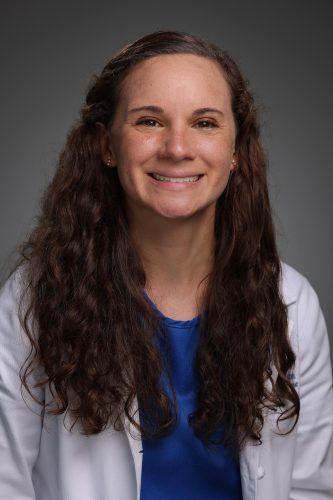 Manesh Patel received a wonderful message this week regarding Jessica Regan, and we wanted to share it with our Pulse readers:
“I am writing to let you know about the incredible work Dr. Jessica Regan has done with the medical school. I am one of the course directors for first-year students. Specifically, I am the clinical correlations director and spend most of my time in the spring teaching our MS1s in team-based learning sessions.
This spring, we worked together to create a case for our students, and we co-led a case discussion with 125 first-year medical students. The session went amazingly! Many students came up to me afterwards to let me know how much they enjoyed her teaching style.
Thank you so much, Dr. Regan!” — Nathan Hirshman, MD, Clinical Correlations Director, Duke University School of Medicine; Associate Medical Director of Education, DUH Division of Hospital Medicine
Nicely done, Jessica!
Shout-out to Cosiano
We received a terrific note this week regarding incoming Critical Care Medicine fellow (and finishing CD fellow), Michael Cosiano.
“Of his own volition, Mike took a yearlong course on mechanical ventilation this year. It is a challenging course with a standardized curriculum that requires multiple hours of preparation weekly, monthly tests, and culminates in a proctored final exam adjudicated by PCCM program directors as part of a national consortium. The final exam would be reminiscent of oral boards. I am very proud of Mike- he received the highest grade possible, demonstrating not just his proficiency, but fluency, with the subject matter. I know he will be an asset to the CCM program next year as he has been a power player in ours.” – Willard Applefeld, MD
Outstanding, Mike!
Great Catch, Trammel!
Morgan Trammel, Clinical Pharmacist, 7E Cardiac ICU, identified an incorrect medication dose following discharge and spoke with the care team to correct it. She also contacted the patient directly to provide clear, updated instructions and ensured follow-through with the pharmacy and providers.

Great catch, Morgan! Your timely actions ensured the patient received the correct treatment!
DUHS Update:
On July 1, Duke University Hospital will open its new Obstetric Emergency Department (OB ED) on the 5th floor of Duke North. Staffed by a team of obstetric specialists, the OB ED will be open 24/7 and offer safe, timely, specialized care for obstetric emergencies.
By transforming what was once the OB triage space into the OB ED, “We’re ensuring that anyone who arrives in a moment of urgency receives immediate access to specialized evaluation and treatment from a team trained for the most complex obstetric situations,” according to Kim Wood, Assistant Vice President of Nursing, Women’s and Newborn Service Line, Duke University Health System.
Information regarding the criteria for receiving care in the OB ED, how to get there, and the basics on billing information is available in a team member guide on SharePoint that you can print and share internally.
Upcoming CME Events & Opportunities
NACE/Cardiology Grand Rounds: June 29
2026 Dyslipidemia Guidelines: Practical Implementation with Nishant Shah, MD, and Manesh Patel, MD as moderator
JB Duke Hotel, 230 Science Drive, Durham, NC 27708
6-7 p.m.
The in-person event at JB Duke is free (as is parking) but limited to 60 people. Live streaming will be available on the NACE virtual online platform. Creating a NACE account is quick and easy.
Registration is required for both the in-person and the live-stream. NACE will offer CME credit. In-person registration link. Virtual event registration link.
Cardiology Grand Rounds
June 30: The Cardiac-Allograft Vasculopathy: Exploring the Enigmatic Enemy of Graft Longevity with Seamus Hughes, MD. 5 p.m., DN 2002 and via Zoom.
All Duke CGR Recordings (except for those containing PHI) can be found on Duke Warpwire by year: 2026, 2025, 2024. Questions about recordings? Contact Tracey Koepke.
2026 Symposia
The dates for the following 2026 Duke Heart symposia have been set. We will announce others as they are added.
- September 26: Duke Case-Based Multimodality Imaging Symposium – Course directors are Sreekanth Vemulapalli and Anita Kelsey. Location: Trent Semans Center, Great Hall.
- October 30: 18th Annual NC Research Triangle Pulmonary Vascular Symposium – Course directors are Terry Fortin, Sudar Rajagopal, and Jimmy Ford. Location: Durham Convention Center, Durham, NC.
Please save the dates!
Hitting with Heart Softball Tournament
The 10th Annual Hitting with Heart Softball tournament will be held on Saturday, August 22 at Valley Springs Park, 3805 Valley Springs Road, in Durham. The tournament raises funds that will, in part, support the American Heart Association’s 2026 Triangle Heart Walk.
Have news to share?
If you have news to share with the Pulse readership, please contact Tracey Koepke, director of communications for Duke Heart & Vascular at tracey.koepke@duke.edu. We would love to hear about your latest accomplishments, professional news, cool happenings, and any events or opportunities that may be of interest to our team. Please call me with any questions: 919-681-2868. Feedback on Pulse is welcome and encouraged. Submissions by Noon on Wednesdays will be considered for weekend inclusion.
Duke Heart Pulse — June 21, 2026
Chief’s message: Happy Fathers Day and Events of the Past week
Hope you all are enjoying this weekend with thoughts and celebrations of the fathers in your life. Many in our community support and recognize the impact of families and fathers — so hopefully for the kids, dads, and granddads – there is time to spend with family.
You will find this week again some updates around our graduating fellows and the amazing work that our faculty continue to do with patient care, education, and research with some key publications and findings highlighted.
Highlights of the week:
CD Fellows Celebrated at Annual Dinner
Our annual dinner to celebrate our graduating Cardiovascular Disease Fellows, Cardiovascular Disease Research Pathway fellows, and Adult Congenital Heart Disease Fellows was held at Parizade on Saturday, June 13, 2026.
Congratulations to the following:
- Michael Cosiano, MD, will join the Duke Critical Care Medicine Fellowship.
- David Elliott, MD, PhD, will join the Duke cardiology faculty later this summer.
- Jonathan Hanna, MD, will join the Duke Interventional Cardiology Fellowship.
- Seamus Hughes, MD, will join the Duke Advanced Heart Failure and Transplant Cardiology Fellowship.
- DaMarcus Ingram, MD, will join the Duke Clinical Cardiac Electrophysiology Fellowship.
- Ivan Nenadic Wood, MD, PhD, will join the Northwestern University Clinical Cardiac Electrophysiology Fellowship.
- Joshua Rushakoff, MD, MPP, will join the Duke Advanced Heart Failure and Transplant Cardiology Fellowship.
- Husam Salah, MD, will join the Duke Interventional Cardiology Fellowship.
- Aarti Thakkar, MD, will join the Duke cardiology faculty later this summer.
- Eric Xie, MD, will join the Duke Clinical Cardiac Electrophysiology Fellowship.
- Anthony Lin, MD, will enter the Duke Clinical Cardiac Electrophysiology Fellowship to finish his 2nd Year.
- Belal Suleiman, MD, will enter the Duke Clinical Cardiac Electrophysiology Fellowship to finish his 2nd Year.
- Paula Rambarat, MD, will join the Duke Advanced Heart Failure and Transplant Cardiology Fellowship.
- Allison Levin, MD, MSc, will join the Columbia University Advanced Heart Failure and Transplant Cardiology Fellowship.
- Nina Morgan, MD, our finishing ACHD fellow, will enter private practice with Advent Health Pediatrics and Adult Congenital Cardiology.
Each year, we recognize outstanding team members during this annual celebration. This year, those award recipients are:
- Michael Cosiano, MD, was presented with the Walter L. Floyd, MD Excellence in Clinical Cardiovascular Medicine
- Bharathi Upadhya, MD, received the Thomas Bashore Teaching Award.
- Willard Applefeld, MD, received the award for Outstanding Mentorship.
- Emily Towery and Clarence Cumming were each presented with a staff award for Outstanding Service.
- Husam Salah, MD, was presented with the Joseph Greenfield Award.
- Joshua Rushakoff, MD, MPP, was presented with the Brandt and Belinda Louie Award.
- DaMarcus Ingram, MD, was presented with the Cassell-Saperstein Award.


Congratulations to all our fellows and award winners!
Closing the Cholesterol Gap
One in four Americans has elevated cholesterol — but with better treatment and system-wide action, millions of heart attacks, strokes, and even dementia could be avoided

What keeps Nishant Shah, MD, up at night? Thinking about all the missed opportunities to prevent heart attacks. “Heart disease remains the number one killer across the globe and many of the risk factors, like high cholesterol, are preventable,” said the Duke Health cardiologist.
Cholesterol-lowering drugs can reduce a person’s chances of developing heart attacks and strokes, and vascular dementia, by preventing plaque from building up on the walls of blood vessels.
But too many patients who could benefit aren’t being treated. Shah, an associate professor of medicine at Duke University School of Medicine, recently led a study following almost 2 million patients at 16 academic health centers and found that less than half of patients with known heart disease and high cholesterol were taking medications to lower their cholesterol.
“The study shows a problem across multiple health systems,” he said. “We aren’t controlling cholesterol the way we need to.”
Shah hopes to develop interventions that will help health systems be more effective at controlling cholesterol levels among patients, with the goal of reducing heart attacks across the country.
New Cholesterol Guidelines
The topic is especially timely because new cholesterol guidelines have just been released by the American College of Cardiology and the American Heart Association. The new guidelines recommend aiming for lower levels of LDL, commonly known as “bad” cholesterol. “There is more and more evidence that the lower your cholesterol is, the better it is for you,” Shah said.
Under the new guidelines, patients at very high risk for heart disease — those with a history of cardiac events and multiple risk factors — should aim for an LDL cholesterol level below 55 mg/dL. High risk patients, including those who’ve had a previous cardiac event, should target less than 70 mg/dL. For everyone else, the goal is below 100 mg/dL.
To determine risk, the guidelines recommend using PREVENT-ASCVD, a calculator that considers factors such as age, blood pressure, blood sugar and body mass index. When a patient’s risk remains unclear, a coronary artery calcium scan can help guide treatment decisions.
The guidelines also recommend screening and treating earlier, because the negative effects of high LDL cholesterol accumulate over time — the more plaque builds up, the narrower arteries become.
Identifying System Level Barriers
 Shah is working with Duke Health preventative cardiologist Neha Pagidipati, MD, MPH, to try to understand why so few people with heart disease are taking cholesterol-lowering drugs that could help them.
The investigators are working with six different health systems to identify barriers that prevent more patients with heart disease from having their LDL tested, receiving a prescription, filling the prescription, or taking the medicine. The researchers are also developing strategies to overcome those barriers.
To generate the maximum benefit, the strategies have to be system-wide, scalable, and financially feasible, Shah said. “We’re trying to figure out how to make a health system-wide impact to really move the needle at a population level,” he said.
At Duke, Shah and Pagidipati, an associate professor of medicine, are leading a clinical trial to evaluate the strategy of using a “care champion” to meet with patients while they are hospitalized and stay in touch after discharge. The care champion is responsible for nudging the patient or providers or both in the service of meeting the LDL goal.
To help educate patients and providers at Duke, Shah said, cholesterol reporting has changed in patients’ electronic health records. In the past, LDL was flagged as abnormal only above 190. That’s been changed to 100. There is also guidance at the bottom of the test result about desirable LDL levels, which will be updated according to the new guidelines.
“We’re trying to find ways to maximize awareness at the provider side and the patient side so we get to the common goal of improving everyone’s cardiovascular risk,” he said.
If so few patients with known heart disease are taking cholesterol-lowering drugs, one can imagine uptake is even lower among those who have high cholesterol but haven’t had a heart attack or stroke — yet.
“The problem with high cholesterol is that you don’t feel it,” Shah said. “It’s just circulating in your body until something happens. You want to prevent that something from happening.”
This article, published June 10, 2026, appears in Magnify magazine.
New study reveals ‘droplet’ mechanism behind key drug targets
A new study in Nature reveals that one of the body’s most important receptor families signals through liquid-like protein clusters — an unexpected mechanism that could open new avenues for drug development.
Researchers at Duke University School of Medicine found that G protein-coupled receptors (GPCRs) — targets of roughly one-third of FDA-approved drugs — signal through dew-like droplets called biomolecular condensates, formed by β‑arrestin proteins.
“Our work shows that these receptors that essentially regulate every aspect of physiology signal using a way that we didn’t appreciate before,” said Sudarshan Rajagopal, MD, PhD, associate professor of medicine and senior author of the study. “That’s important because it’s potentially druggable; it suggests that there might be different ways to target GPCR signaling that take advantage of their use of these condensates.”
β‑arrestins have long been known to regulate GPCR activity and are best known for their role in stopping their signaling. But a longstanding puzzle in the field has been how just two β‑arrestin proteins regulate nearly 700 GPCRs in the human body.
For decades, GPCR signaling has largely been understood as a one-to-one interaction: a receptor activates a single β‑arrestin, which then passes the signal along to the next molecule in a linear chain.
But that tidy model didn’t match what MD‑PhD student Preston Anderson had been seeing under the microscope. At levels normally found inside cells, β‑arrestins are known to form clusters inside cells. During a beach vacation to Kure Beach, as he watched clouds drift and merge across the sky, he began to wonder if β‑arrestins might do the same. What if they weren’t just clustering, but assembling in a way that allowed them to communicate?

That night, he drew a sketch proposing an experiment to test his idea. “When I sent it to Sudar, he basically said it wasn’t going to work. But Sudar is such a great mentor; he never says no. He’ll always let you do the experiment,” Anderson said.
Back in the lab, Anderson attached two halves of a glowing protein to the tail ends of β‑arrestins to see whether they would light up when the proteins come together. When he ran the experiment, they did.
“When I saw it glowing, I thought, ‘We’re onto something,’” he said.
The work began to shift the view of β‑arrestins from individual actors to components of a larger, coordinated system.
“One part of our study shows that the way β-arrestins align and orient with one another influences how effectively they regulate receptor signaling,” Anderson said.
In addition to the split-protein test, over three years of work the team tested the idea with multiple approaches, including:
- Imaging to visualize β‑arrestin droplets both at baseline and near receptors in cells
- Using chemical and genetic tools to promote and disrupt clustering
- Functional assays which showed how those changes affect receptor signaling and internalization.
Together, these experiments showed that β‑arrestin clustering is not incidental — it directly influences how GPCRs function. When the scientists disrupted the condensates, GPCR signaling was disrupted.
Because condensates organize signaling in specific locations, they may offer new ways to more precisely control GPCR activity. That could ultimately allow drugs to target certain signaling pathways while avoiding others.
“It’s a new model for understanding how this system works,” Rajagopal said. “It suggests we should start thinking about how to selectively target these condensates in the context of specific receptors.”
GPCRs are found throughout the body, and drugs that act on them are used to treat conditions ranging from shock to heart disease and asthma. Anderson said his interest in GPCR biology was shaped by his clinical training during the COVID‑19 pandemic, when he saw patients in shock treated with the same set of GPCR-targeting drugs — such as norepinephrine and vasopressin — that have changed little in decades.
The work builds on Duke’s long legacy in GPCR research, including the discoveries of Robert Lefkowitz, MD, which helped define how these receptors function and earned the 2012 Nobel Prize in Chemistry. The new findings point to a next chapter — one in which the spatial organization of signaling, becomes central to how scientists understand and target these critical systems.
Funding: The American Heart Association, the Mandel Foundation, and the National Institutes of Health.
Other Duke Authors: Adam Kaakati, Juliana Alfonso-DeSouza, Alejandra Patino, Andrew Ahn, Chanpreet Jassal, Samuel Liu, Biswaranjan Pani, Athmika Krishnan, Oscar Chen, Joseph Strawn, and Joshua C. Snyder.
Drs. Rajagopal and Lefkowitz are both principal investigators with the Duke Cardiovascular Research Center.
This article, published online June 1, 2026, was written for Duke University School of Medicine.
Shout-out to DeVore
We received a note of praise for Adam DeVore, MD, this week from neurosurgeon Jordan Komisarow. The note reads:
“I am writing to highlight the fantastic care Adam provided on one of my patients. He is a wonderful partner and am grateful to get to work with him.” — Jordan M. Komisarow, MD, vice chair of clinical operations, Department of Neurosurgery.
Way to go, Adam!
Upcoming CME Events & Opportunities
June is Pride Month. At Duke Health, we believe everyone deserves to feel safe, seen, and supported, especially when it comes to their health.
Cardiology Grand Rounds
June 23: Advancing Contemporary Cardiac Electrophysiology: Innovations in Ablation, Rhythm Control, and Anticoagulation with Belal Suleiman, MD. 5 p.m. DN 2002 and via Zoom.
All Duke CGR Recordings (except for those containing PHI) can be found on Duke Warpwire by year: 2026, 2025, 2024. Questions about recordings? Contact Tracey Koepke.
Cardiology Grand Rounds: June 29
2026 Dyslipidemia Guidelines: Practical Implementation with Nishant Shah, MD, and Manesh Patel, MD as moderator
JB Duke Hotel, 230 Science Drive, Durham, NC 27708
6-7 p.m.
The in-person event at JB Duke is free (as is parking) but limited to 60 people. Live streaming will be available on the NACE virtual online platform. Creating a NACE account is quick and easy.
Registration is required for both the in-person and the live-stream. NACE will offer CME credit. In-person registration link.
Virtual event registration link.
CD Fellows Core Curriculum Conference
June 24: HF/Tx Case Conference with Jonathan Kusner. Noon, DMP 7E39 and via Zoom.
June 26: HF/Tx Case Conference with Harriet Akunor. Noon, Zoom only.
MMCVI Grand Rounds
Multi-Modality Cardiovascular Imaging Grand Rounds: A multi-imaging approach to cardiovascular disease cases. Thursdays, Noon to 1 p.m., via Zoom.
June 25: Systemic and Pulmonary Hypertensive Heart Disease with Fawaz Alenezi
2026 Symposia
The dates for the following 2026 Duke Heart symposia have been set. We will announce others as they are added.
- September 26: Duke Case-Based Multimodality Imaging Symposium – Course directors are Sreekanth Vemulapalli and Anita Kelsey. Location: Trent Semans Center, Great Hall.
- October 30: 18th Annual NC Research Triangle Pulmonary Vascular Symposium – Course directors are Terry Fortin, Sudar Rajagopal, and Jimmy Ford. Location: Durham Convention Center, Durham, NC.
Please save the dates!
Hitting with Heart Softball Tournament
The 10th Annual Hitting with Heart Softball tournament will be held on Saturday, August 22 at Valley Springs Park, 3805 Valley Springs Road, in Durham. The tournament raises funds that will, in part, support the American Heart Association’s 2026 Triangle Heart Walk.
Have news to share?
If you have news to share with the Pulse readership, please contact Tracey Koepke, director of communications for Duke Heart & Vascular at tracey.koepke@duke.edu. We would love to hear about your latest accomplishments, professional news, cool happenings, and any events or opportunities that may be of interest to our team. Please call me with any questions: 919-681-2868. Feedback on Pulse is welcome and encouraged. Submissions by Noon on Wednesdays will be considered for weekend inclusion.
Duke Heart Pulse — June 14, 2026
Highlights of the week:
Graduation Dinners Held for CCE and AHFTC Fellowships
The Clinical Cardiac Electrophysiology fellowship program held its annual graduation dinner on Friday, June 5. The team gathered at The Roof atop The Durham Hotel to celebrate Ilia Shadrin, MD, who is completing the two-year program this month.


- Shadrin is heading into private practice at UNC Rex Hospital.
The Advanced Heart Failure and Transplant Cardiology fellowship program held its graduation dinner on Thursday, June 11, at Hope Valley Country Club in Durham. The program celebrated completing fellows, Aubrie Carroll, MD, Mark Kittipibul, MD; and Merna Hussein, MD.


- Carroll is returning to the Duke Cardiovascular Disease Fellowship program to complete her third year.
- Kittipibul has accepted an academic faculty position with the University of Utah.
- Hussein has accepted an academic faculty position with the Medical University of South Carolina.
Congratulations, Ilia, Aubrie, Mark, and Merna! We wish all of you the very best!
DUH Cath Lab 2 Reopens
Duke University Hospital’s cardiac catheterization lab number 2 reopened on Tuesday, June 2, following renovations to the space that began last fall. The renovations now give us the full capability to handle any type of case in that lab. The refreshed space will allow us to pursue renovations to other labs while meeting case load demands – and it provides better flow for team members.
“Overall, this is very exciting for the entire team,” said Rebecca Dial, nurse manager, operations for the adult invasive labs and the CVSSU. “We’re now able to more smoothly support our growing clinical volume. The newly renovated space is laid out well, and I know the staff appreciates that their feedback was taken into consideration prior to starting the renovations. The construction team was thoughtful about organization and details as to what worked well and what did not in the original room. A lot of needs have been met.”

Many thanks to everyone who made this possible: our clinical imaging teams, Matt Hancock and the DUH Clinical Engineering team; Chris Boudreaux and the Facilities team; Joe Kelly, Jill Engel, Mary Lindsay, Schuyler Jones, Manesh Patel, also Jansen Clark, Jordan Goldbach, Razib Khan all from Supply Chain; Randa Romstad, Ayla Presnell, Alyssa Mirante, and Tony (Tritony) Van from the adult cardiac cath labs team, and to everyone else who supported and managed this project. The Duke Heart & Vascular leadership team wishes to send a very special shout-out to Rebecca Dial for her management of this project!
Way to go, team!
ICYMI: NEJM Two-Part Double Take Miniseries Features Pagidipati
Preventive cardiologist Dr. Neha Pagidipati and her co-authors on a New England Journal of Medicine Perspective/Double Take are featured in a series of online videos recently produced by the NEJM.
The two-part series includes:
Cardiovascular Risk Factors — Hypertension, published online May 20, 2026, and Cardiovascular Risk Factors — Lifestyle Modifications, published May 27, 2026.
Her co-authors are Holly Biola, MD, and James Davis, MD, of Duke; Sadiya S. Khan, MD, of Northwestern University Feinberg School of Medicine; Donald Lloyd-Jones, MD, of Framingham Center for Population and Prevention Science, Boston University; Willie McDonald and Merodean Moody of NC; and Patrick G. O’Malley, MD, MPH, of the Uniformed Services University of the Health Sciences.
The videos relate back to the article, Global Effect of Cardiovascular Risk Factors on Lifetime Estimates, published last year in NEJM and authored by The Global Cardiovascular Risk Consortium. Yi Zeng, MD, professor of medicine in geriatrics at Duke University School of Medicine, is a member of the Consortium. The videos include b-roll from the 2024 Triangle Heart Walk.
The videos are terrific and well worth watching. Nicely done, Neha!
HCLC Member Honored by Lee County
Congratulations to Dennis A. Wicker, former lieutenant governor of North Carolina and a current member of the Heart Center Leadership Council! He was recently honored by the commissioners of Lee County, North Carolina. The commissioners voted to name a courtroom in the Lee County Courthouse after Wicker. The dedication of the courtroom and the unveiling of a portrait of Wicker were held on Wednesday, June 3, 2026.


We are thrilled that he has been honored in this way, and we are happy to share this good news more broadly with our Heart & Vascular team members.
“Chet Patel and Carmelo Milano saved my life, and Manesh Patel, through the Heart Board, allows me to pay my gratitude forward,” Wicker said.
Wicker honored with portrait unveiling – Sanford Herald, June 6, 2026.
This is a well-deserved honor. Congratulations, Dennis!
Chance Meetup in Bled, Slovenia!
Kristen Norlin, director of academic affairs at the Duke Clinical Research Institute, had a chance to catch up with adjunct professor of medicine, Dr. Tom Povcik, and his family on a recent trip to Bled, Slovenia. They randomly ran into each other at a local cafe.


Gorgeous photos – thanks for sharing them with us, Kristen!
Upcoming CME Events & Opportunities
June is Pride Month. At Duke Health, we believe everyone deserves to feel safe, seen, and supported, especially when it comes to their health.
Cardiology Grand Rounds
June 16: In-stent Restenosis and the Next Era of PCI with Husam Salah, MD. 5 p.m., DN 2002 and via Zoom.
All Duke CGR Recordings (except for those containing PHI) can be found on Duke Warpwire by year: 2026, 2025, 2024. Questions about recordings? Contact Tracey Koepke.
Special Cardiology Grand Rounds: June 29
On Monday, June 29, 2026, the Duke Division of Cardiology will hold a special Cardiology Grand Rounds from 6-7 p.m. at the JB Duke Hotel. Duke Heart is partnering with the National Association for Continuing Education (NACE) to host a live, in-person event, coupled with a live-stream, on dyslipidemia.
Nishant Shah, MD, will present 2026 Dyslipidemia Guidelines: Practical Implementation; Manesh Patel, MD, will moderate.
Learning objectives:
- Perform global cardiovascular risk assessment, adding targeted testing for risk-enhancing factors based on guidelines and recommendations.
- Individualize lipid-lowering therapy based on trial data and guideline-recommendations to achieve LDL-C treatment goals for patients with or at high risk for ASCVD.
- Implement routine monitoring and follow up of patients with or at risk for ASCVD to support clinical decision making for LDL-C add-on therapy.
The event is free, but seating is limited.
Registration is required for both the in-person and the live-stream. NACE will offer CME credit. In-person registration link. NOTE: The in-person event at JB Duke is limited to 60 people. Live streaming will be available on the NACE virtual online platform. Creating a NACE account is quick and free.
June 29: NACE/Duke Heart Cardiology Grand Rounds
2026 Dyslipidemia Guidelines: Practical Implementation with Nishant Shah, MD, and Manesh Patel, MD
JB Duke Hotel, 230 Science Drive, Durham, NC 27708
6-7 p.m.
More information is available on the NACE platform, hyperlinked above.
CD Fellows Core Curriculum Conference
June 17: Fellowship Review with Anna Lisa Chamis. DMP 7E39 and via Zoom.
June 19: NO CONFERENCE/HOLIDAY
June 24: HF/Tx Case Conference with Jonathan Kusner. Noon, DMP 7E39 and via Zoom.
June 26: HF/Tx Case Conference with Harriet Akunor. Noon, Zoom only.
MMCVI Grand Rounds
Multi-Modality Cardiovascular Imaging Grand Rounds: A multi-imaging approach to cardiovascular disease cases. Thursdays, Noon to 1 p.m., via Zoom.
June 18: D-Trans vs L-Trans Congenital Heart Disease with Fawaz Alenezi
June 25: Systemic and Pulmonary Hypertensive Heart Disease with Fawaz Alenezi
2026 Symposia
The dates for the following 2026 Duke Heart symposia have been set. We will announce others as they are added.
- September 26: Duke Case-Based Multimodality Imaging Symposium – Course directors are Sreekanth Vemulapalli and Anita Kelsey. Location: Trent Semans Center, Great Hall.
- October 30: 18th Annual NC Research Triangle Pulmonary Vascular Symposium – Course directors are Terry Fortin, Sudar Rajagopal, and Jimmy Ford. Location: Durham Convention Center, Durham, NC.
Please save the dates!
Hitting with Heart Softball Tournament
The 10th Annual Hitting with Heart Softball tournament will be held on Saturday, August 22 at Valley Springs Park, 3805 Valley Springs Road, in Durham. The tournament raises funds that will, in part, support the American Heart Association’s 2026 Triangle Heart Walk.
Have news to share?
If you have news to share with the Pulse readership, please contact Tracey Koepke, director of communications for Duke Heart & Vascular at tracey.koepke@duke.edu. We would love to hear about your latest accomplishments, professional news, cool happenings, and any events or opportunities that may be of interest to our team. Please call me with any questions: 919-681-2868. Feedback on Pulse is welcome and encouraged. Submissions by Noon on Wednesdays will be considered for weekend inclusion.
Duke Heart Pulse — June 7, 2026
Chief’s message: End of Year Activities
This was a hot weekend in the triangle and lots of activities over the last week to continue to meet our missions. In this episode of the Pulse you will find updates around the yearly heart failure symposium (Largest ever), multiple award winners, many fellows and faculty recognized for clinical care and DCRI fellowship gradulation. Enjoy the reading.
Highlights of the week:
Annual Heart Failure Symposium Held
Our largest ever annual Duke Heart Failure Symposium was held yesterday, June 6, at the Durham Convention Center in downtown Durham, NC. Led by Marat Fudim, Stephanie Barnes, Rob Mentz, and Richa Agarwal, we had record attendance with 310 participants registered. We also had record industry support with 33 companies providing sponsorship, along with the Heart Center Clinical Research Unit, Duke Clinical Research Institute, and the Duke Cardiopulmonary Exercise Testing (CPET) staff offering hands-on demonstrations.
We hosted seven external speakers including Hassan Alhosaini of Novant Health; Mirnela Byku of the University of Virginia; Matt Cavender of UNC-Chapel Hill; Priyesh Patel of Atrium Health/Wake Forest University; Ryan Tedford of MUSC; keynote speaker Clyde Yancy of Northwestern University, and Amin Yehya of Old Dominion University/Sentara Healthcare. More than 30 speakers were from Duke Health.
The program covered a broad range of topics within the field of heart failure, from medications to cardiometabolic health, to the devices, specialty clinics and innovation that make Duke a special place for care.
Yancy rounded out his trip to NC with a golf game with Robert Califf on Friday — but we are told they “Didn’t keep score” so we are unable to report on who had the better handicap.
A full overview of the agenda and speakers can be found here.


Many thanks to Christy Darnell for project management and day-of coordination, and to Anthony Doll for helping ensure the event ran smoothly for all; and we thank Marat, Christy, and Steph Barnes for sharing their photos with us.
Please save the date for our 2027 event, scheduled for June 12, 2027.
Great job, team!
DCRI Fellowship Program Graduates Ten Researchers, Recognizes Excellence
On May 20, fellows, mentors, faculty, and family members gathered at Parizade in Durham to celebrate ten graduates of the DCRI Fellowship Program.
This annual event marks the culmination of a postdoctoral training program that prepares clinical researchers to lead within their chosen specialty. The event was led by Sana Al-Khatib, director of the DCRI Fellowship Program, alongside associate directors Neha Pagidipati and Adam Goode. The evening began with the presentation of awards, followed by the recognition of each graduate with framed certificates, gifts, and personal remarks from mentors who reflected upon each fellow’s unique attributes and time in the program.

Following dinner, the group honored the departing program leaders and their accomplishments with expressions of gratitude and gifts.
“This program has been one of the most meaningful parts of my career at Duke,” said Al-Khatib. “Watching these remarkable fellows grow into even more accomplished researchers and knowing that their work will ultimately benefit patients around the world, is deeply fulfilling. It has been a privilege and an honor to serve this program and its fellows for the past six years, and I am so proud of everything this community has built together.”
For the 2026-2027 academic year, Daniel Gonzalez will assume the role of director of the DCRI Fellowship Program, and Jennifer Rymer will serve as associate director. The DCRI extends its gratitude to Al-Khatib, Pagidipati, and Goode for their exemplary leadership of the program over the past six years.

The DCRI Fellowship Program represents a longstanding commitment to mentoring and training the next generation of clinical researchers. Graduates of the training program are spread throughout the world, with some continuing their medical and research careers at Duke. The program alumni remain close with their peers and mentors, resulting in a broad network of collaborators for Duke and the DCRI.

2026 DCRI Fellowship Award Recipients
Jennifer Rymer received the Robert M. Califf Award for Outstanding Mentorship. This award recognizes a DCRI faculty member who has demonstrated excellence in mentorship activities for DCRI research fellows. Current DCRI fellows select the award through nominations, discussion, and voting.
Husam Salah was presented with this year’s Robert A. Harrington Excellence in Fellowship Award, which recognizes a graduating DCRI research fellow who has contributed the most to the program during his or her tenure and has demonstrated excellence in academic accomplishment, participation in clinical research operations, and peer-to-peer mentoring.
The Karen S. Pieper Teaching and Fellowship Support Award was bestowed upon Shelby Reed. Originally known as the Best Teaching/Support Award, the Pieper Award is designed to recognize staff at the DCRI who are consistent contributors to fellows’ education and strong supporters of the fellowship program. Beginning in 2012, the award was renamed the Karen S. Pieper Teaching and Fellowship Support Award to honor the original recipient who inspired the award’s creation in 2007. Educational activities recognized include teaching statistical methods, manuscript writing, academic financial management, and clinical operations. All DCRI staff are eligible.
The Eric D. Peterson Manuscript Award was presented to Henry Foote. This honor is awarded to a graduating DCRI research fellow whose writing excellence is demonstrated in an impactful and novel article, as well as superior writing skills and potential impact on the field.
This year’s DCRI Fellowship Citizenship Award recipient is Allison Levin. Awardees are graduating DCRI fellows chosen for their strong character and leadership, devoted service to the institution, acceptance of responsibilities and duties, and positive attitude toward peers, the DCRI, and the medical community. Recipients are also recognized for demonstrating an eagerness to learn, showing care for others, and helping when needed.
DCRI graduating fellows:
Lindsay Ballengee, DPT
- Specialty: Rehab Services
- Mentor: Steven George
Henry Foote, MD
- Specialty: Pediatrics (Cardiology)
- Mentor: Christoph Hornik
Jonathan Hanna, MD
- Specialty: Cardiology
- Mentor: Jennifer Rymer
Seamus Hughes, MD
- Specialty: Cardiology
- Mentor: Schuyler Jones
Allison Levin, MD, MSc
- Specialty: Cardiology
- Mentors: Adam DeVore, Richard Krasuski
Anthony Lin, MD
- Specialty: Cardiology
- Mentor: Zak Loring
Paula Rambarat, MD
- Specialty: Cardiology
- Mentors: Adam DeVore
Joshua Rushakoff, MD, MPP
- Specialty: Cardiology
- Mentor: Adam DeVore
Husam Salah, MBBS
- Specialty: Cardiology
- Mentor: Jennifer Rymer
Satoshi Shoji, MD, PhD
- Specialty: Cardiology
- Mentor: Adam DeVore
Congratulations to all graduates and award recipients. Deep gratitude to Sana, Neha, and Adam for their excellent leadership. Congratulations to Daniel and Jenn as they step into their respective new roles.
New AHA Physical Activity Statement Released, Ross Vice-Chair of Committee
 A new scientific statement on physical activity from the American Heart Association (AHA) was released last week and calls for an approach that puts physical activity front and center of obesity treatment, weight-loss management, and cardiovascular care. Leanna Ross, PhD, assistant professor in medicine at Duke and a member of the Duke Molecular Physiology Institute, served as a co-author and vice-chair of the writing committee.
The statement, Role of Physical Activity in Obesity Treatment and Cardiometabolic Health: A Scientific Statement from the American Heart Association, was published in the June 1 issue of Circulation. A news release from the AHA can be found here.
Ross’s co-authors include Damon L. Swift, PhD, chair of the writing group for the scientific statement; Stacey E. Rosen (current volunteer president of the AHA); Deepika R. Laddu, PhD, Molly B. Conroy, MD, MPH; Charles A. German, MD, MS; Lorraine S. Evangelista, PhD, RN; Francoise A. Marvel, MD; and Gerald J. Jerome, PhD.
Swift and Ross are featured in a video where they walk through the key clinical insights from the new scientific statement on physical activity in obesity treatment and cardiovascular disease. The discussion highlights the cardiometabolic benefits of physical activity independent of weight loss, the modest impact of exercise alone on body weight, and how combining activity with other treatments, like bariatric surgery and the new GLP-1-based therapies, can improve outcomes. They also share practical messaging strategies clinicians can use to support patient adherence and long-term engagement in physical activity.
Nicely done, Leanna!
Shah Completes DCLP, Receives Gorrie Award

Congratulations to Nishant Shah, MD! He recently graduated from the 2026 cohort of the Duke Clinical Leadership Program (DCLP), one of the professional development opportunities offered by Duke School of Medicine. He was one of five participants selected to receive a Thomas Gorrie Clinical Leadership Impact Award for his faculty project. The project Shah utilized in the DCLP involves system-level remote lipid monitoring and management.
“Given that many patients with atherosclerotic cardiovascular disease have uncontrolled LDL cholesterol across the Duke Health System, we created a program that identifies and treats high-risk patients with uncontrolled cholesterol remotely through the electronic medical record,” said Shah, associate professor of medicine in cardiology. “The cholesterol management is led by clinical pharmacists who monitor patients who are agreeable to joining the program.”
The goal of the remote cholesterol management program, Shah says, is to help improve system-level cholesterol management of high-risk patients and provide a service that offers asynchronous lipid care, allowing providers to communicate electronically with their patients rather than relying only on real-time visits. The program was created through a partnership between the Division of Cardiology and the Duke Population Health Management Office. The pharmacy-led program is still in its early phases, but several patients have successfully reached their cholesterol goals, according to Shah.
“I am fortunate to have been selected as one of the participants in this year’s Clinical Leadership Program and delighted to be one of the recipients of the Gorrie Award, thanks to the amazing team we have,” Shah added.
About the Duke Clinical Leadership Program
The DCLP was founded in 2010 by then Chancellor for Health Affairs, Victor Dzau, MD, to help expand leadership capacity within Duke Health. It is currently led by cardiologist Cary Ward, MD, associate dean for faculty development in the School of Medicine. The program is geared toward mid-career clinical leaders to develop skills in everything from negotiation to finance, to thinking about personal well-being as well as the well-being of their team members.
“In the Office of Faculty, we think of leadership as a skill,” said Ward. “Leadership isn’t something that you’re born with, you have to work on it and also work on personal awareness – becoming aware of areas where you might need support, working on your skills, like negotiation, difficult conversations, and how to give feedback to others. All of us spend so much time training to do other things that we often don’t spend a lot of time investing in our own personal growth.”
At the end of the program, participants present their faculty projects, and the Gorrie Impact Award is given to members of the cohort who best exemplify the values and objectives of the DCLP.
“We have a pretty robust professional development system within the School of Medicine,” Ward added. “One of the best things we do is use internal talent to teach our DCLP faculty participants. For example, in DCLP, most instructors are internal to Duke, so we really utilize the wealth of knowledge we have within our institution to teach younger faculty. Our graduates then mentor younger faculty which helps us continue our mission of education, which is important to all of us, no matter how old we are.”
Congratulations, Nishant!
Shout-outs to CDU, Cath Lab & CVSSU
We received a note this week noting outstanding teamwork in the CDU, Cath Lab, and CVSSU from Marat Fudim, MD regarding a particularly busy Monday.
“We had a long and busy day in room 4. The team had seven scheduled outpatients and one inpatient, necessitating an early start with the first patient at 7:25 a.m. There were seven cases with CDU support (Fudim says he is confident that is a record, to date.)
Ashlee covered the full day – which I’m fairly sure was the longest CDU day yet — and Jordan and Jeff worked in synchrony “like a K-pop band.”
Six cases were with exercise! That is a new record, I believe, as well. One case was upright, five were supine, and four were study cases with the extra burden of documentation and scrutiny. Furthermore, there were two splanchnic nerve ablation cases in need of extra set-up, sedation, etc.
A shout-out to Matt and Lacey for coming in early and staying late for this remarkably busy day as well. This day literally took them weeks of preparation. The Cath Lab/CDU team was extremely professional, flawless in execution, zero unforced errors and on many occasions a strong display of clinical foresight making my life a lot easier! The CVSSU had the patients ready faster than I have seen before. The turn overs were essential to allow my fast flow. I was left impressed. Finally, thanks of course to Manesh as well, who always turns up when it’s time to burn some nerves. And can’t forget our future HF fellow Hubert who showed up just in the right time when I needed help.
Clearly this shows it takes a village!” – Marat Fudim, MD
Nice teamwork, everyone!
Reminder: State of the School Address, June 10
The annual Duke University School of Medicine State of the School Address will take place from Noon to 12:45 p.m. on Wed., June 10, 2026. It will be held in the Great Hall, Trent Center for Health Education.
All faculty, providers, staff, trainees, and students are invited. You are welcome to bring your own lunch. Light refreshments and limited giveaways will be available.
Special Cardiology Grand Rounds Slated for June 29
On Monday, June 29, 2026, the Duke Division of Cardiology will hold a special Cardiology Grand Rounds from 6-7 p.m. at the JB Duke Hotel. Duke Heart is partnering with the National Association for Continuing Education (NACE) to host a live, in-person event, coupled with a live-stream, on dyslipidemia.
Nishant Shah, MD, will present 2026 Dyslipidemia Guidelines: Practical Implementation; Manesh Patel, MD, will moderate.
Learning objectives:
- Perform global cardiovascular risk assessment, adding targeted testing for risk-enhancing factors based on guidelines and recommendations.
- Individualize lipid-lowering therapy based on trial data and guideline-recommendations to achieve LDL-C treatment goals for patients with or at high risk for ASCVD.
- Implement routine monitoring and follow up of patients with or at risk for ASCVD to support clinical decision making for LDL-C add-on therapy.
An email blast will be sent to faculty and staff, so be on the lookout for that. A registration link will be available soon and will be included in the email blast.
The event is free, but seating is limited.
Registration is required for both the in-person and the live-stream. NACE will offer CME credit. In-person registration link. NOTE: The in-person event at JB Duke is limited to 60 people. Live streaming will be available on the NACE virtual online platform. Creating a NACE account is quick and free.
June 29: NACE/Duke Heart Cardiology Grand Rounds
2026 Dyslipidemia Guidelines: Practical Implementation with Nishant Shah, MD, and Manesh Patel, MD
JB Duke Hotel, 230 Science Drive, Durham, NC 27708
6-7 p.m.
More information is available on the NACE platform, hyperlinked above.
DUHS Updates:
Global Core Training Deadline is Friday
If you have not yet done so, please complete the required Global Core Training modules by Friday, June 12.
Thank you for your attention to this important requirement and for your continued commitment to our patients, teams, and community!
Upcoming CME Events & Opportunities
June is Pride Month. At Duke Health, we believe everyone deserves to feel safe, seen, and supported, especially when it comes to their health.
Cardiology Grand Rounds
June 9: From Predictive Analytics to a Learning Health System with Anthony Lin, MD. 5 p.m. DN 2002 and via Zoom.
June 16: In-stent Restenosis and the Next Era of PCI with Husam Salah, MD. 5 p.m., DN 2002 and via Zoom.
All Duke CGR Recordings (except for those containing PHI) can be found on Duke Warpwire by year: 2026, 2025, 2024. Questions about recordings? Contact Tracey Koepke.
CD Fellows Core Curriculum Conference
June 10: DHP Case Presentation with Jemi Galani. Noon, DMP 7E39 and via Zoom.
June 12: Wide Complex Tachycardia with Jonathan Piccini. Noon, Zoom only.
June 17: Fellowship Review with Anna Lisa Chamis. DMP 7E39 and via Zoom.
June 19: NO CONFERENCE/HOLIDAY
June 24: HF/Tx Case Conference with Jonathan Kusner. Noon, DMP 7E39 and via Zoom.
June 26: HF/Tx Case Conference with Harriet Akunor. Noon, Zoom only.
MMCVI Grand Rounds
Multi-Modality Cardiovascular Imaging Grand Rounds: A multi-imaging approach to cardiovascular disease cases. Thursdays, Noon to 1 p.m., via Zoom.
June 11: CT Fractional Flow Review and Akshay Pendyal
June 18: D-Trans vs L-Trans Congenital Heart Disease with Fawaz Alenezi
June 25: Systemic and Pulmonary Hypertensive Heart Disease with Fawaz Alenezi
Medicine Grand Rounds
June 12: 2026 Joseph C. Greenfield Visiting Professor Lecture will be Curiosity and the Return to Why with Dr. Tony Breu, Harvard Medical School Director of Resident Education, VA Boston Healthcare System. 8 a.m.
2026 Symposia
The dates for the following 2026 Duke Heart symposia have been set. We will announce others as they are added.
- September 26: Duke Case-Based Multimodality Imaging Symposium – Course directors are Sreekanth Vemulapalli and Anita Kelsey. Location: Trent Semans Center, Great Hall.
- October 30: 18th Annual NC Research Triangle Pulmonary Vascular Symposium – Course directors are Terry Fortin, Sudar Rajagopal, and Jimmy Ford. Location: Durham Convention Center, Durham, NC.
Please save the dates!
Hitting with Heart Softball Tournament
The 10th Annual Hitting with Heart Softball tournament will be held on Saturday, August 22 at Valley Springs Park, 3805 Valley Springs Road, in Durham. The tournament raises funds that will, in part, support the American Heart Association’s 2026 Triangle Heart Walk.
Have news to share?
If you have news to share with the Pulse readership, please contact Tracey Koepke, director of communications for Duke Heart & Vascular at tracey.koepke@duke.edu. We would love to hear about your latest accomplishments, professional news, cool happenings, and any events or opportunities that may be of interest to our team. Please call me with any questions: 919-681-2868. Feedback on Pulse is welcome and encouraged. Submissions by Noon on Wednesdays will be considered for weekend inclusion.

Recent Comments