The other week, I visited the 9/11 Memorial and Museum. As I walked through the 110,000 square feet of museum, I was struck by the grandeur of our national commemoration. Nearly 3,000 individuals were killed on September 11th, 2001; some were as young as four years old and some were as old as 81. They were husbands, wives, siblings, parents, and children. Walking through the museum, in which every individual’s face was on display along with his or her name and story, I understood this in a more concrete fashion than ever before. As I walked outside into the muggy evening, walking over to the reflection pool, I was struck by its magnitude – and then by the immense waste of water in a world where countless go without the hydration they need.
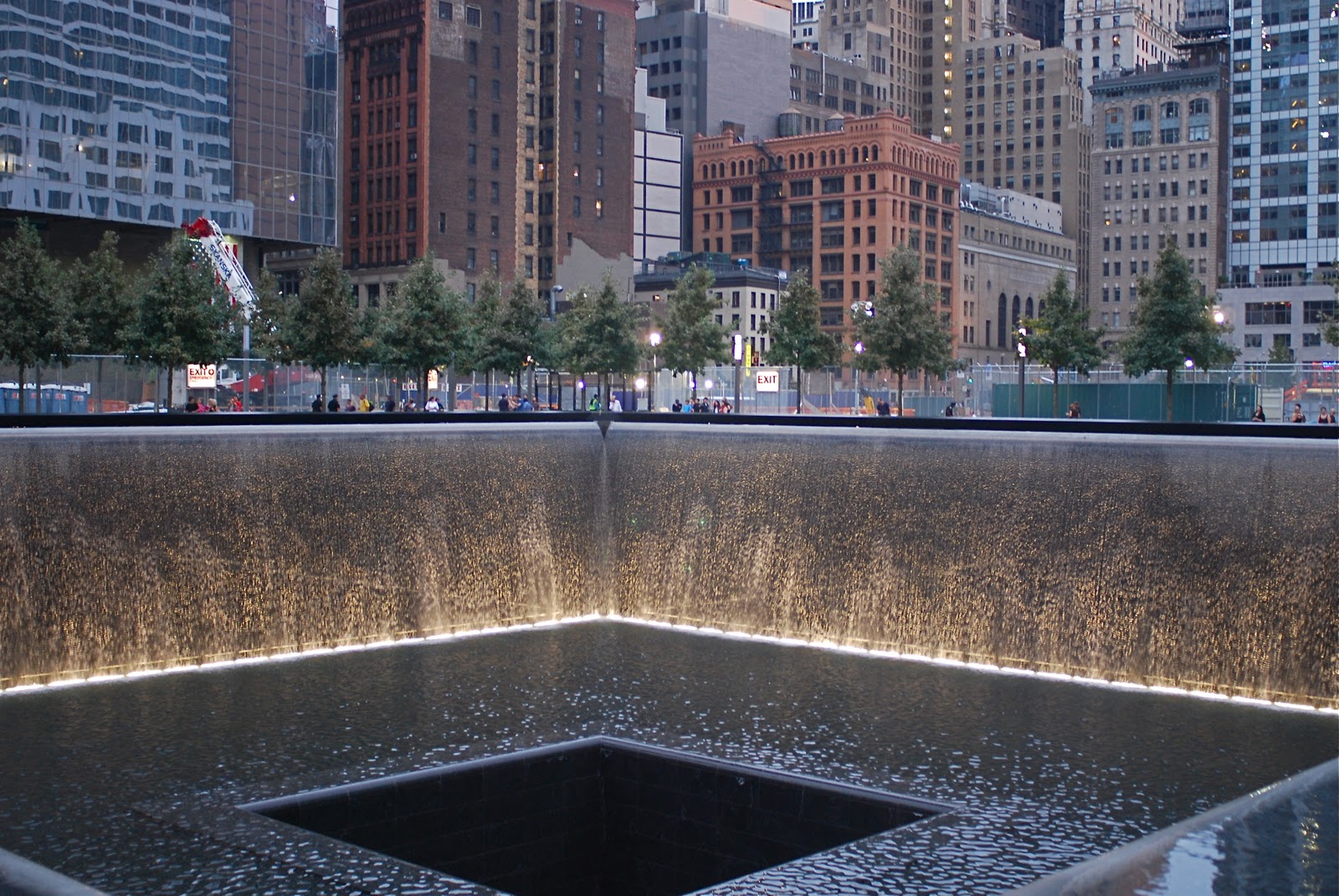
The Memorial Pool
On the subway over to the museum, I had started a new book. The introduction described Belgian plunder and terror in the Congo, reporting that these brutalities took between 8 and 10 million lives. The author then goes on to point out that even if these numbers are exaggerated – even if only half as many lives were lost – this was still a cruelty of immense proportions, and yet it has been relegated to the outskirts of history. I remember learning about King Leopold’s cruelty in 10th grade history; we read a primary source and discussed it, perhaps using half of a class. As I stood by the pool, I couldn’t help but draw a connection between the immortality of 9/11 and the fleetingness of the Congo.
What draws us to remember an atrocity? Why is the Holocaust indelibly etched into our collective memories, while Stalin’s starvation policies and purges slip our minds? Why does 9/11 get an enormous memorial, while the massacre of Native Americans and the disposability of slaves’ lives goes unnoticed? When we speak about privilege, we rarely speak about the privilege of memorial. The opportunity to commemorate our tragedies – to treat them as more than just bad luck or the way the world is – is one offered to very few in this world. Shaping the world’s collective memory requires clout and resources, something which the United States – particularly the trade sector, to which the World Trade Center was linked – has plenty of.
Even on a more individualized scale, we see this hierarchy in the way that murders and deaths are publicized. How is the murder of a teenager in a school shooting any more tragic than the murder of a teenager in a drive-by shooting? Why are women killed by domestic violence consistently overlooked and ignored? Even in death and tragedy, our society perpetuates the idea that certain lives are more valuable than others – and this valuation is largely based off of the construct of “potential.” A white middle-class student is seen as having more potential than a black or brown inner-city peer, yet nobody talks about the prison-industrial complex and white supremacy that actively work to steal this potential. When a white male commits murder, it is an aberration and an anomaly, but when a black or brown man commits murder it is normalized. Victims of domestic violence are viewed by society as poor and weak, and thus subjected to patriarchal, classist devaluations – to say nothing of racist or nationalistic ones.
To discuss the commemoration of tragedies and atrocities in such terms seems uncouth and unnecessarily politicized; I admit that I feel uncomfortable framing genocides and terrorist attacks in the context of privilege rather than in tragedy. Innocent human lives were lost, families were left bereaved, and potential was cut short on a mass scale. This cannot be denied, and must not be denied. In an ideal world, all victims would receive equal representation – a display for all those killed by the designs of murderers. But the world is far from ideal, and provides nothing close to equal representation. This is clear while we are alive, and it is often clear in the way that we die. It extends far beyond the grave, into our individual memorials and the marks we leave on history. It’s been said that death is the great equalizer, but I’m not sure that’s the case.



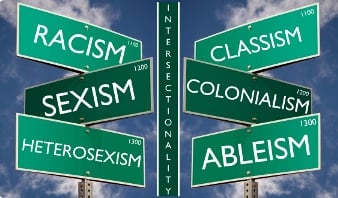 Will it have a huge impact on all people who use birth control? Totally. But will it really affect everyone similarly? God no. The people who were the talking heads about the case are not the same people who will be most impacted by this. The women this ruling does a disservice to are the one who have no choice but to work at the Hobby Lobbys of the world and don’t get the privilege of paying for the Pill or an IUD at a doctors office out of pocket; they have to chose between getting birth control or getting a job. There’s no reason for most of the images about the case to have predominantly white women; a significant portion of women most impacted are working class Latina and black women. And in the same vein of ignoring working class Latina and black women, the justified outrage over the Hobby Lobby decision completely overshadowed the decision on unions the court made on the same day. I’m not going to lie and say I totally understand what happened in



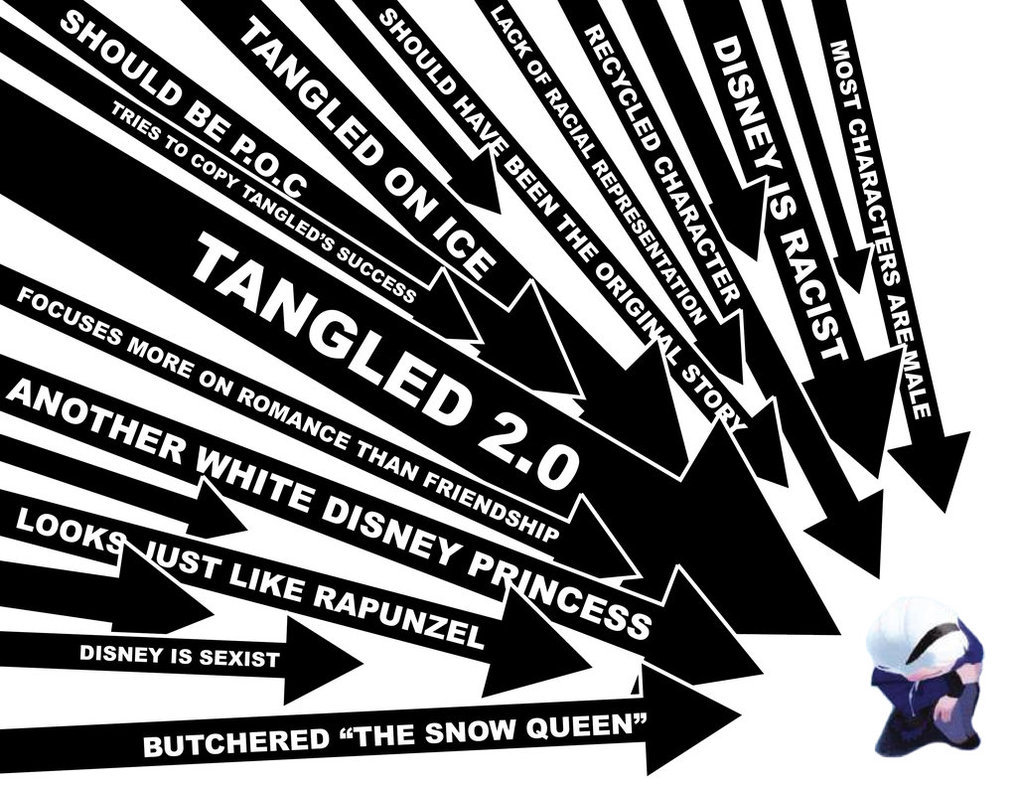 Watching Frozen ten bazillion times in the last two weeks has helped me learn all the lyrics by heart, and also aided me in analyzing what messages we send into the world for children these days. Frozen in many ways forms one of the most progressive Disney movies so far in terms of the number of messages of misogyny and heteronormativity, guised under the glitter of snow queens and princes (overlooking all the issues with race and class it still has).