As class registration begins this week, I noticed a course titled Women as Leaders. The course description includes leadership tactics and examples throughout politics. I wonder why there is a class on this topic, maybe because there are so few women leaders, or maybe to describe and explain the many obstacles women encounter to reach a place of power. Through my Dukeengage experience, my readings, our seminar and my work with my placement, I added the word “patriarchy” to my vocabulary. I can honestly say at our first seminar when the term “patriarchy” came up, I definitely had to take a good 10-minute google session to dive into this word, its meaning and roots. Now that I am nearing the end of our seminar sessions I had a moment to reflect on how the patriarchy affects the way we see gender, sexuality and intersectionality. I noticed that it even affects the way I see religion and how ideas that (may unintentionally) uphold patriarchal ideals encompass the teachings in the religion I practice, and the cultural norms of the race I identify as. As I continue to learn through my Dukeengage experience and through research outside of it, I wonder where all of this began.
After some digging I came across stories of Lilitha and Mary Magdalene. I learned about stories of women in the bible who decided to practice celibacy, baptize themselves (because men wouldn’t), or teach the “way only men can.” These stories are not included in the bible but claimed to have been removed by religious leaders. I couldn’t understand why. Instead of uplifting these women through stories, these women have been portrayed in demeaning ways. So, I wondered into what other areas patriarchal ideas spilled and how that affects views and ideals of both women and men today. As my internship surrounds teen dating violence, I consider the ways in which patriarchal ideals influence intimate partner relationships and family dynamics and how much of it we attribute to tradition or culture.
How much tradition or culture is rooted in these ideas of a monolithic woman?
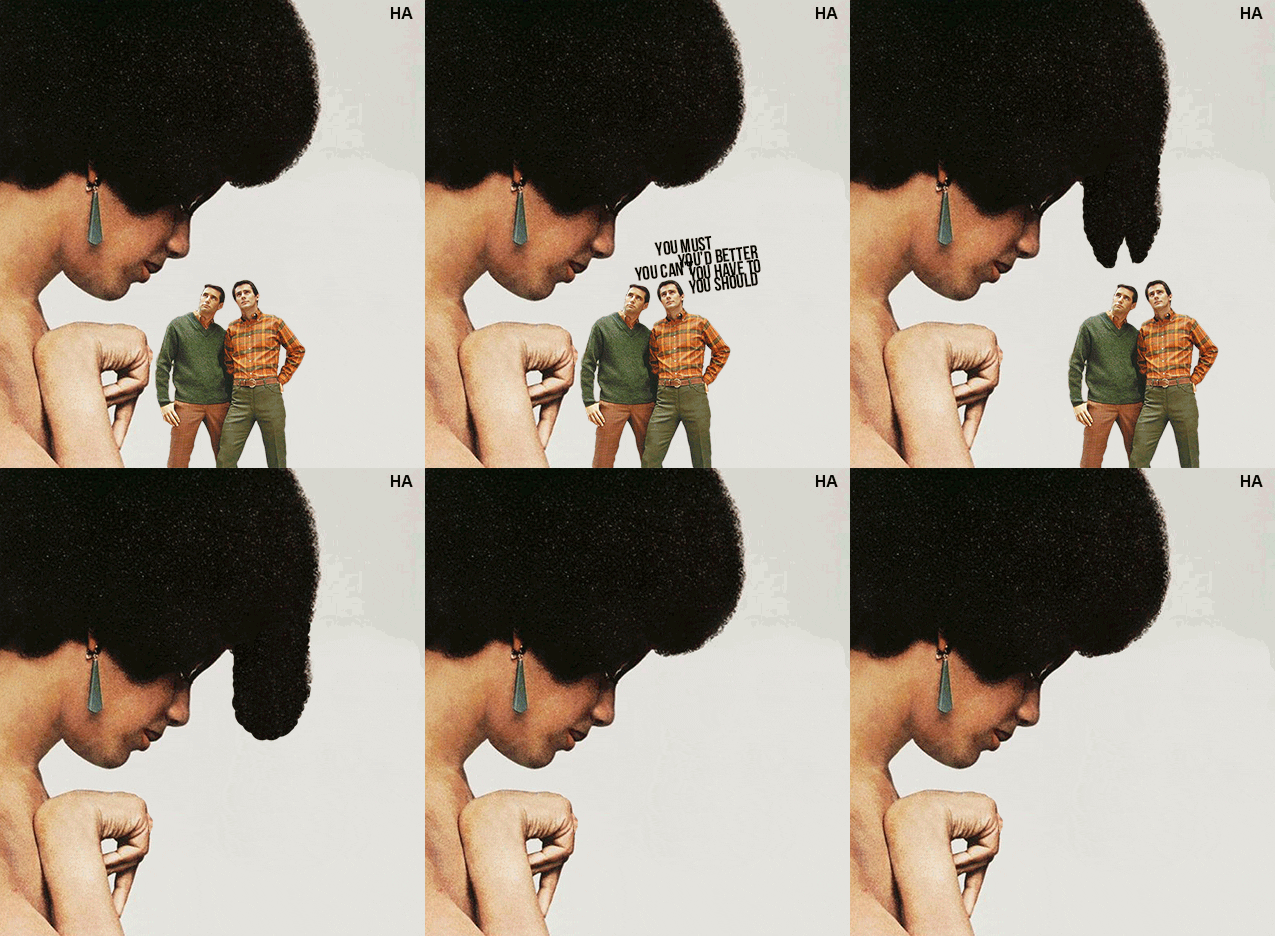
Woman: the baby producer, who serves her husband and takes care of everyone, OR…. provocative.
As I continue to see this view throughout music, dating, media, and politics. After our most recent seminar I began to actively question how these views affect me and how I came to this place of not only accepting but subconsciously embracing some of these views as facts.
I thought I wasn’t affected by these ideals because I spent my entire life trying to battle these ideals placed on me, I failed to realize that it still affected me and continues to do so.
 Now I plan to continue researching when documentation of these ideals began and how I can be more active in breaking these ideals down within myself and those around me. Starting with embracing all of the parts of me I have been trained to believe are not ideal.
 Most of the time I feel the need to be political in my actions, including the artists I listen to, places I eat and conversations I have with my family. I believe that how I act in real time and who I support financially is important and political. With this constant awareness of my actions and conversations, I notice the need to also detach.
 enforcement perpetuates racism and commits murder and also wanting perpetrators to have to change their life instead of victims. So as I continue to learn about new cases and research alternatives to law enforcement for specific situations, I am juggling these ideas and scenarios in my head. I am once again experiencing a


 However, I’m learning that social issues occur in the grey. I’ve been able to learn about gender identity versus expression, and making spaces more inclusive for womxn. I’ve simultaneously looked at situations of social justice as multifaceted ones. I specifically looked at how women’s rights movements sometimes exclusively benefitted high-middle income white women by not addressing the intersectionality of race, class, gender expression, etc. These experiences made me look at my work as a member of on campus organizations as well as my continued work within my internship differently. As I research information to assist victims of teen dating violence, I wonder if I consider the intersectionality of victims in my research to ensure that one specific person isn’t being represented and advocated for.
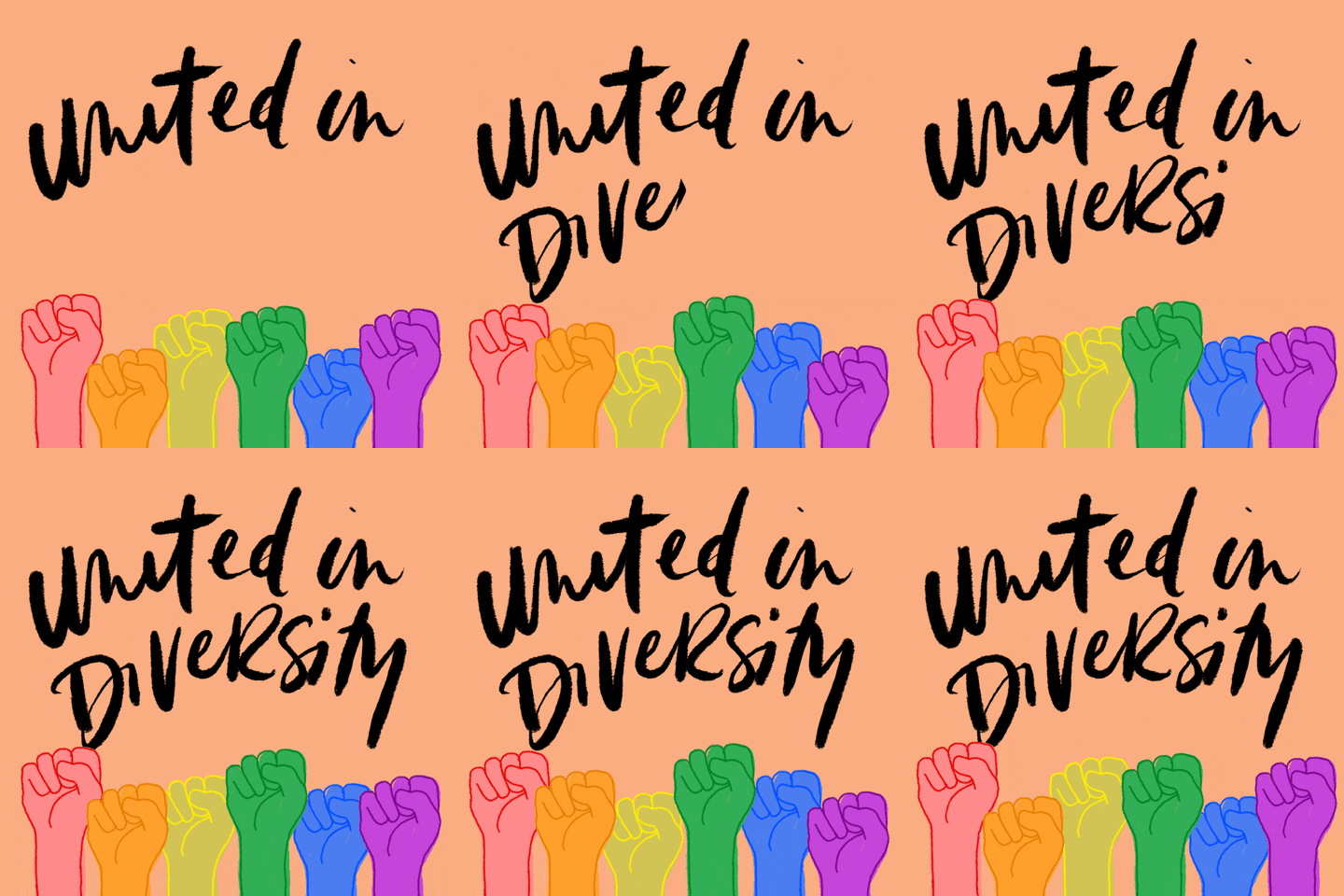 Currently I am struggling with being a part of organizations created for change but being minimally politically involved on my part. I have the opportunity to be a part of amazing organizations unafraid to speak out against injustices and show their political activism. I have always said that I don’t see myself as a political being because I have associated politics with choosing to be republican or democratic, but I am learning that being political means making sure the social change and inclusive environments I want to promote are possible. This shift made me see that my intentions and my actions could contradict each other, and I plan on spending time researching my actions towards political activism and what that means for my future work within issues of social injustice.