
 Carl V. Hill (Alzheimer’s Association)
Carl V. Hill, Ph.D., MPH, is currently serving as interim chief diversity and inclusion officer for the Alzheimer’s Association, overseeing strategic initiatives to strengthen the Association’s outreach to all populations, providing communities with resources and support to address the Alzheimer’s crisis. He is also the Association’s vice president, Scientific Engagement. In this role, he leads strategic efforts to create global awareness of the Association’s international research program.

Heather Allore (Yale University)
Dr. Allore is a Professor of Medicine (Geriatrics) and of Biostatistics. She is the Leader of the Data Management and Statistics Core of the Yale Alzheimer’s Disease Research Center. She co-directs the Biostatistics and Bioinformatics Core of the Yale Transdisciplinary Collaborative Center for Precision Medicine focused on Health Disparities. Her international collaborations are across Europe and Australasia. Dr. Allore’s innovated analytic methods presented in over 240 peer-reviewed papers range from basic science mechanisms of aging to embedded pragmatic clinical trials for older adults. Pioneering designs and biostatistical methods are required to rigorously address the myriad of unanswered scientific questions related to older adults and persons living with dementia, including joint trajectories.
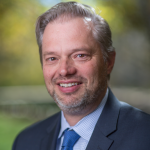 Don Taylor (Duke University)
Don Taylor is a professor of Public Policy at Duke University and a founding faculty member of the Duke-Margolis Center for Health Policy, among numerous other Duke University affiliations. Most of his ongoing research is in the area of end of life policy with a focus on patient decision making and Medicare policy on hospice and palliative care. He has served on national committees including National Academies Committee on Health Care Utilization and Adults with Disabilities and the HRSA Negotiated Rulemaking Committee that was created by the Affordable Care Act to reconsider how the federal government identifies Health Professional Shortage Areas and Medically Underserved Areas.

Heather Whitson (Duke University Medical Center)
Dr. Whitson’s research is focused on improving care options and resilience for people with multiple chronic conditions. In particular, she has interest and expertise related to how comorbidities and biological aging affect the brain. Dr. Whitson is the Director of the Duke Center for the Study of Aging & Human Development (aka Duke Aging Center). She also co-Directs the Duke University and the University of North Carolina Alzheimer’s Disease Research Center (Duke/UNC ADRC), an NIH ADRC with a bold vision to transform dementia care and research across Eastern North Carolina. The scientific theme of the Duke/UNC ADRC is to understand factors across the lifespan that contribute to the development, progression, or experience of Alzheimer’s disease.
 Amy Kind (University of Wisconsin School of Medicine and Public Health)
Dr. Amy J.H. Kind, MD, PhD, is the inaugural Associate Dean for Social Health Sciences and Programs at the University of Wisconsin (UW) School of Medicine and Public Health. In this role, she oversees, creates synergies, and guides the growth of the school’s current and future initiatives, policies and programs that are designed to study and eliminate health disparities. She works closely with leaders in research, education, clinical, and public health realms to build capacity and ensure the advancement of health equity research. Dr. Kind also serves as a resource for connecting basic and clinical scientists with social scientists to facilitate discoveries in social exposome research, a key area in mechanistic health disparities inquiry. As Associate Dean, Dr. Kind serves as Executive Director of the $480 million Wisconsin Partnership Program grant-making endowment, Director of the UW Center for Health Disparities Research, and provides oversight to the Milwaukee-based Center for Community Engagement and Health Partnerships. In addition, Dr. Kind is a Professor of Medicine and serves as Leader of the Care Research Core of the Wisconsin Alzheimer’s Disease Research Center.
 Amanda Simanek (Rosalind Franklin University of Medicine and Science)
Dr. Amanda M. Simanek, PhD, MPH, is an Associate Professor of Epidemiology in the Department of Foundational Sciences & Humanities within the Chicago Medical School and founding Director of the Michael Reese Foundation Center for Health Equity Research at Rosalind Franklin University of Medicine and Science in North Chicago, IL. Her research serves to identify novel immunologic and epigenetic mechanisms by which social inequities in health are perpetuated across the lifecourse and across generations, elucidate links between infections and chronic diseases such as cardiovascular disease, mood disorders, and cognitive impairment, and establish best practices for information management and science communication in the context of public health crises. In her capacity as founding Director of the Michael Reese Foundation Center for Health Equity Research, she oversees efforts aimed at fostering health equity-focused research collaborations between faculty, students, and community partners that are responsive to community needs, address socio-structural determinants of health, and involve implementation of interventions aimed at improving health equity in Lake County, IL.

Chunyu Liu (Boston University)
Dr. Liu was trained as a statistical geneticist and currently serves as a research associate professor. She co-authored over 60 peer-reviewed manuscripts on diverse topics related to CVD, including deciphering genes related to blood pressure/hypertension, heart disease and identification of epigenetic factors for blood pressure, lipids, and body mass index. For eight years, Chunyu has taught statistical methods in epidemiology at Boston University School of Public Health. She was the lead statistician of the CHARGE DNA methylation alcohol working group during 2014-2017. In addition, she has been the lead statistician to conduct epigenomewide DNA association studies with many CVD risk factors in FHS, which has yielded multiple publications in higher tier journals. At present, Chunyu is leading the effort to develop methods to analyze mtDNA sequence variations through the Trans-Omics for Precision Medicine (TOPMed) Mitochondrial DNA working group, the world’s largest study of mitochondrial genetics.
 Kacie Deters (University of California, Los Angeles, Integrative Biology and Physiology)
Dr. Kacie Deters received her Ph.D. in Medical Neuroscience from Indiana University in 2017 using neuroimaging and genetics to characterize neural characteristics of tauopathies, including Alzheimer’s disease (AD). As a postdoc at Stanford University, she became a RCMAR Scientist awardee where she examined ethnic and racial disparities in Alzheimer’s disease biomarkers, and their effect on cognitive performance in older Black adults. She expanded her training at the University of California, San Diego to understand racial bias that exists in neuropsychological assessments. Dr. Deters was appointed to a tenure-track Assistant Professor position at UCLA in 2022 where she is investigating the intersection and contributions of genetics and social/environmental factors to cognitive decline and Alzheimer’s disease using genetics, neuroimaging, neuropsychological assessments, and fluid-based biomarkers. In August 2022, she was accepted to the prestigious NIH/NIA Butler Williams Scholars Program and the NIH/NIMHD Health Disparities Research Institute Scholars Program. She also served on the RCMAR Scientist Advisory Board.
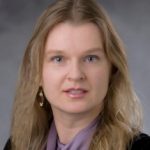 Julia Kravchenko (Duke University School of Medicine)
Julia Kravchenko (a.k.a. Krauchanka), MD, PhD, is an Assistant Professor in the Department of Surgery, Duke University School of Medicine. Her research interests include geographic and racial disparities in morbidity and mortality in the United States, comorbidities and multimorbidity in older adults, health outcomes in underserved populations, and health impacts of environment injustice. Her current studies are focused on a quantitative evaluation of contributions of disease-specific incidence rates and patient survival to dynamics of disease prevalence and mortality, and clarification of the role of clinic- (e.g., the use of specific treatments, treatment choice and adherence to treatment, and utilization of screening and diagnostic procedures) and non-clinic- (e.g., socioeconomic determinants, behavioral factors, environmental characteristics, and access to and quality of medical care) related factors in disparities in morbidity, mortality, and life expectancy in the United States.

Ronica Rooks (University of Colorado, College of Liberal Arts and Sciences)
Ronica N. Rooks is a Professor in the Department of Health and Behavioral Sciences and the College of Liberal Arts and Sciences’ Director of Online Education at the University of Colorado Denver. She completed her Ph.D. in Sociology from the University of Maryland at College Park and postdocs in Geriatric Epidemiology in the Intramural Laboratory of Epidemiology, Demography, and Biometry at the National Institute on Aging and Health Disparities in the Institute for Social Research at the University of Michigan. Her research focuses on social-ecological explanations for racial and ethnic disparities in chronic conditions. Her Fulbright Canada fellowship developed interdisciplinary networks in the social and health sciences to examine relationships between gentrification, social disadvantage (e.g., lower SES and racial/ethnic minority status), and prevalent chronic conditions and management among older adults in Hamilton, Ontario. She similarly examines these relationships among older adults in Denver, Colorado. Her other research explores if working and volunteering, as productive activities, can mitigate Black vs. White racial disparities in prevalent and incident dementia, as well as cognitive changes over time among older adults. She is a Fellow of the Gerontological Society of America and serves as past chair for the Minority Issues in Gerontology Advisory Panel.

Igor Akushevich (Duke University, Social Science Research Institute)
Igor Akushevich, PhD, is a Research Professor at the Biodemography Research Unit of the Social Science Research Institute. His expertise includes a biodemography, epidemiology, causal methods, and advanced statistical modeling of health effects with specific focus on health disparities, cognitive disorders, and multimorbidity in older US adults. His current research is focused on quantitative evaluation of the mechanisms underlying disease-specific time trends and racial and geographic disparities in Alzheimer’s disease and related dementia, impacts of clinic-related factors and social determinants to these trends, as well as on leveraging existing and developing new approaches to large population-based data analysis.

Takashi Amano (Rutgers University, School of Arts and Sciences)Takashi Amano is an Assistant Professor at the Department of Social Work, School of Arts and Sciences, Rutgers University – Newark. His research is focused on understanding and supporting the lives of vulnerable older adults, especially those with cognitive impairment and Alzheimer’s disease and related dementias (ADRD). His personal experience with his grandmother and professional experience as a researcher and social worker shaped his passion for supporting people with ADRD and their family members. He pursued a Master’s Degree in Social Work at the University of Southern Indiana and completed his two practicum opportunities at a nursing home and a community counseling center for older adults. After graduation, he went back to Japan and worked at the Dia Foundation for Research on Aging and Keio University School of Medicine, as an assistant researcher. He also worked as a social worker at a community center for home and community-based care for older adults. Before joining Rutgers, Dr. Amano earned his PhD from the Brown School at Washington University in St. Louis.

Wenrui Hao (Pennsylvania State University, Department of Mathematics)
Dr. Hao currently serves as the Associate Professor, Department of Mathematics, Penn State University. He received his final degree in Applied Mathematics from University of Notre Dame, Notre Dame, Indiana. He is the PI of multiple grants, including from the NIGMS on ‘A pathophysiology driven spatial dynamic modeling framework for personalized prediction and precision medicine’. He authored and coauthored over 60 manuscripts on mathematical and computational modeling of diseases and parameter investigations in biological systems.
 Melinda Power (George Washington University, Milken Institute School of Public Health)
Dr. Melinda C. Power is an Associate Professor of Epidemiology at the George Washington University (GWU) Milken Institute School of Public Health. Dr. Power has expertise in statistical analysis of observational data, and a commitment to improving epidemiologic methods in the study of late-life cognition and dementia. Her current research focuses on the role of environmental pollutants in the development of dementia, translation of epidemiologic research to inform clinical trial development, and projects designed to inform clinical practice and health policy around supporting people living with dementia. Dr. Power is also the founding Director of the GW Institute for Brain Health and Dementia. The Institute aims to promote and support research on cognitive health that will meaningfully impact lives, through promotion of brain health, prevention of cognitive loss, addressing disparities in cognitive health, and improving the quality of life of persons living with dementia and their care partners.
 Hanzhang Xu (Duke University School of Medicine)
Dr. Xu is an Assistant Professor in Family Medicine and Community Health at Duke University. Her research interests center on social determinants of health and disparities in health care and outcomes in community settings and diverse populations. Her current program of research falls under two themes: (i) the analysis of health disparities in a multinational context, with a particular focus on the cognitive function among older adults; and (ii) the integration of patient-reported social factors in cardiovascular outcome research. As an interdisciplinary researcher, she is also interested in using digital technology to promote disease management in patients with cardiovascular disease.

Jennifer Schrack (Johns Hopkins, Bloomberg School of Public Health)
Dr. Schrack’s primary area of research is the epidemiological assessment of aging, movement, and disability. Movement and health are intrinsically linked; by measuring factors such as gait speed, physical activity, fatigability, and falls, Dr. Schrack is working to elucidate novel, modifiable mechanisms of physical and cognitive decline with aging. She is the PI of two NIA funded grants to understand interactions among movement, physical function, and brain health. She is the MPI of the National Health and Aging Trends Study, a study designed to provide a platform for studying late life disability trends and trajectories to improve health for older adults.

Corey Nagel (University of Arkansas for Medical Sciences)
Corey L. Nagel, PhD, RN is an Assistant Professor in the Colleges of Nursing and Public Health (Biostatistics) at the University of Arkansas for Medical Sciences and is Co-Director of the Arkansas Hartford Center of Geriatric Nursing Excellence. He has more than a decade of experience analyzing data from panel studies of aging linked with Medicare claims and has expertise in machine learning, multilevel and latent variable modeling of longitudinal data, and causal inference methods for observational data. His current research examines the contribution of social and environmental factors to the development and progression of multimorbidity, disability, and cognitive decline among older adults.

Anand Kumar (University of Illinois Chicago Psychiatry College of Medicine)
Anand Kumar, M.D., is Lizzie Gilman Professor and Head of the Department of Psychiatry at the University of Illinois at Chicago. Dr. Kumar received his medical degree from Madras Medical College in Madras, India. He completed his Residency training in Psychiatry at the University of Michigan, Ann Arbor, and subsequently served as a Medical Staff Fellow in the Laboratory of Neurosciences at the National Institute on Aging. Dr. Kumar’s research focuses on late-life depression and mental disorders of the elderly, including Alzheimer’s disease. He has been consistently funded by NIH research grants for over 18 years and is author or co-author of more than 100 peer-reviewed journal articles and book chapters. His papers have been published in prestigious journals including the American Journal of Psychiatry, the Archives of General Psychiatry, and Proceedings of the National Academy of Sciences. Dr. Kumar is renowned in Geriatric Psychiatry as an educator and mentor; his former trainees have been awarded clinical, research, and/or training positions at such esteemed institutions as UCLA, Brown, Emory, Duke, Johns Hopkins, Harvard, and Yale University. Recently, Dr. Kumar was awarded the Jack Weinberg Award for Geriatric Psychiatry from the American Psychiatric Association.

Arseniy Yashkin (Duke University, Social Science Research Institute)
Arseniy Yashkin has a rich background in the fields of public health, health economics, and health services research, with over 10 years of experience of working with survey and administrative data including Medicare 5% claims, Medicare 5% Part D, the National Long Term Care Survey (NLTCS), the Health and Retirement Study (HRS), the Medicare Current Beneficiary Survey (MCBS), The Surveillance, Epidemiology and End Results Medicare-linked data (SEER-M), the National Health and Nutrition Examination Survey (NHANES), the National Health Interview Survey (NHIS), the Russia Longitudinal Monitoring Survey (RLMS), and a self-compiled database based on information drawn from the Demographic and Health Surveys (DHS) and the Multiple Indicator Cluster Survey (MICS).
 Davangere P. Devanand (Columbia University Medical Center)
Davangere P. Devanand, M.D., is Director of the Division of Geriatric Psychiatry and Professor of Psychiatry and Neurology at the Columbia University Medical Center. He is also Co-Director of the Memory Disorders Center, and Co-Director of the Late Life Depression Clinic, at the New York State Psychiatric Institute. His research helped to define the clinical features and treatment response in elderly patients with dysthymic disorder, a chronic depressive illness. He pioneered studies on the interface between depression and cognitive impairment in the elderly, and is well-known for his research into early diagnostic markers of Alzheimer’s disease and the treatment of psychosis and agitation in this disorder. He has published research articles in major journals including a landmark study on antipsychotic discontinuation in Alzheimer’s disease in the New England Journal of Medicine, and articles in JAMA, Annals of Neurology, Neurology, Archives of General Psychiatry, and American Journal of Psychiatry. He has been Principal Investigator on research grants from the National Institute of Aging, National Institute of Mental Health, Alzheimer’s Association, NARSAD, and the Dana Foundation. He has received the Indo-American Psychiatric Association scientific research award, the International Psychogeriatrics Association Research Award, American Psychiatric Association Jack Weinberg Memorial Award in Geriatric Psychiatry, American Association of Geriatric Psychiatry Distinguished Scientist Award, and American College of Psychiatrists Research Award in Geriatric Psychiatry. He is Associate Editor of the journal, Alzheimer’s Disease and Associated Disorders.
 Ming Lu (Eli Lilly and Company)
Dr. Ming Lu is an Executive Director of Statistics at Eli Lilly and Company. Originally trained as a medical doctor, Ming was also trained in Biostatistics and Mathematics. He has more than 15 years’ experience in drug development and clinical research, including serving as the statistics lead for the development and regulatory approval of Amyvid and Tauvid PET imaging. Currently Ming is the statistics lead for a Phase III trial testing the efficacy and safety of donanemab, an anti-amyloid antibody Eli Lilly is developing. Ming has a strong interest in biomarker and treatment in neurodegenerative diseases and has co-authored over 50 peer reviewed publications.
 Rebecca Li (Vivli, Center for Global Clinical Research Data)
Rebecca Li, PhD, is the Executive Director of Vivli and on faculty at the Center for Bioethics at the Harvard Medical School. Previous to her current role she was the Executive Director of the MRCT Center of Brigham and Women’s Hospital and Harvard for over 5 years and remains a Senior Advisor at the Center. She has over 25 years of experience spanning the entire drug development process with experience in Biotech, Pharma and CRO environments. She completed a Fellowship in 2013 in the Division of Medical Ethics at Harvard Medical School. She earned her PhD in Chemical and Biomolecular Engineering from Johns Hopkins University.
 Kathleen Welsh-Bohmer (Duke University School of Medicine)
Dr. Kathleen Welsh-Bohmer is a Professor of Psychiatry with a secondary appointment in the Department of Neurology.
Clinically trained as a neuropsychologist, Dr. Welsh-Bohmer’s research activities have been focused around developing effective prevention and treatment strategies to delay the onset of cognitive disorders occurring in later life. From 2006 through 2018 she directed the Joseph and Kathleen Bryan Alzheimer’s Center in the Department of Neurology. She also oversaw the neuropsychology scientific operations of a ground-breaking Phase III global clinical trial to delay the onset of early clinical symptoms of Alzheimer’s disease entitled the “TOMMORROW” study (Takeda Pharmaceutical Company funded) which concluded in 2018.
Currently, she directs the Alzheimer’s disease therapeutic area within the Duke Clinical Research Institute and she collaborates actively with WCG-VeraSci, a Durham based company, to develop reliable digital cognitive and functional assessment tools of early Alzheimer’s disease and related dementias. The methods her team is developing are informed by advances in neuroscience and technology and fill an information void in early pre-clinical Alzheimer’s disease. Her work has implications for clinical practice and for the acceleration of global clinical trials aimed at the prevention of Alzheimer’s disease and related dementias.
 Rema Raman (University of Southern California, Keck School of Medicine)
Rema Raman is a Professor of Neurology at Keck School of Medicine of USC and the Director of Biostatistics at the USC Alzheimer’s Therapeutic Research Institute (ATRI). She is the lead of the Biostatistics Unit and the co-lead of the Recruitment Unit for the Alzheimer’s Clinical Trials Consortium (ACTC). Dr. Raman has focused her academic career in the design, conduct and analysis of clinical trials in neurology. She has extensive experience as a collaborative biostatistician and clinical trialist, serving in the leadership team of several highly integrated and interdisciplinary research programs conducting clinical research in Alzheimer¹s disease, acute stroke, post-traumatic stress disorder, and traumatic brain injury. Her primary statistical research interests are in correlated and missing data issues, design and analysis of efficient clinical trials and cohort studies, centralized and adaptive statistical monitoring approaches, and effective safety monitoring. She is co-director of the Institute of Methods and Protocols for Advancement of Clinical Trials in ADRD (IMPACT-AD), a course that aims to educate and promote diversity among research professionals and future principal investigators in the field of Alzheimer’s Disease and Related Disorders research, and the co-Chair of the ACTC Inclusion, Diversity and Education in Alzheimer’s disease Clinical Trials (IDEA-CT) committee.
 Mustafa Husain (UT Southwestern Medical Center at Dallas)
Dr. Mustafa Husain, MD, is currently tenured Professor of Psychiatry Neurology and Internal Medicine, Director of the Neuro-Stimulation Research Lab, and Chief of the Geriatric Psychiatry Division at the University of Texas Southwestern Medical Center at Dallas. Until recently he was Vice Chair for Faculty development at Duke University School of Medicine, Durham NC. He received his initial training in the United States at Stanford University, Palo Alto, CA. He completed his residency at the USC and continued his research and geriatric fellowships at Duke University Medical Center in Durham, NC. Dr. Husain is involved in training, education, and research in aging related neuropsychiatric disorders and geriatric issues. Dr Husain has published numerous peer-reviewed articles in national and international scientific journals, authored several book chapters. Dr Husain have received several Foundation and NIH grants focused on Neuropsychiatric Disorders. He has served as Grant Reviewer on NIH study sections and prestigious Welcome Trust, London, UK.
 Vijeth Iyengar (AARP, Office of International Affairs)
A cognitive neuroscientist by training, Dr. Vijeth Iyengar is Director of Global Aging at AARP where he leads cutting-edge research, drives thought leadership on global aging issues, and cultivates relationships and strategic alliances to promote AARP’s vision in service of older adults everywhere. Prior to joining AARP, Dr. Iyengar served in several roles – as a career civil servant spanning three administrations – in the U.S. Federal Government including as Brain Health Lead and Technical Advisor to the Deputy Assistant Secretary for Aging and as a Policy Advisor to the 4th U.S. Chief Technology Officer at the White House Office of Science and Technology Policy. He has co-authored articles appearing in leading venues including the Bulletin of the World Health Organization, JAMA Health Forum, Pan American Journal of Public Health, Scientific American, STAT News, and the U.S. National Academy of Medicine.
Among other recognitions, he is a U.S. Presidential Management Fellow, a National Science Foundation Graduate Research Fellow, and selected as a 2020 Aspen Ideas Festival Health Fellow. He sits on the Global Board of Directors of the Duke University Alumni Association, is a Regional Mentor at the Atlantic Fellows Equity in Brain Health Program, and a mentor for the Techstars Future of Longevity Accelerator. Dr. Iyengar was a visiting undergraduate student at Cornell University, received his bachelor’s degree from Tulane University, and his masters and doctoral degrees from Duke University.
 Percy Griffin (Alzheimer’s Association)
Percy Griffin, Ph.D., is director, Scientific Engagement for the Alzheimer’s Association, where he leads efforts to accelerate the organization’s scientific agenda through the creation and delivery of ongoing research education. He engages with more than 75 Association chapters across the country, informing staff and the public of scientific initiatives and the organization’s crucial role in advancing research to improve the lives of all those facing Alzheimer’s and other dementias. As a researcher, Dr. Griffin has led independent translational projects in Parkinson’s and Alzheimer’s disease focused on protein degradation and neuroimmunology, in addition to research on the role of proteostasis in Parkinson’s disease pathogenesis and organic chemistry synthesis. He is a co-author of several papers, including “Circadian clock protein Rev-erba regulates neuroinflammation,” published in the journal Proceedings of the National Academy of Sciences of the United States of America (PNAS). Dr. Griffin holds a doctorate in molecular cell biology from Washington University in St. Louis, a master’s degree in pharmacology from the University of Minnesota Medical School and a bachelor’s degree in biology and chemistry from Macalester College.
 Olga Jarrín Montaner (Rutgers, the State University of New Jersey)
Olga F. Jarrín Montaner, PhD, RN, FAAN is a tenured Associate Professor in the School of Nursing and Director of the Community Health and Aging Outcomes Laboratory in the Institute for Health, Health Care Policy, and Aging Research at Rutgers. Her research interests center around solving problems in our public health and healthcare systems to improve health equity and access to health services across the lifespan, with a focus on older adults living with dementia and their caregivers. She currently leads two projects funded by the National Institute on Aging that use national Medicare data. The first project (R01) aims to improve the quality of end-of-life care provided to families and people living with Alzheimer’s disease and other dementias by generating population-level evidence on the public health impact of community-based support structures including skilled home health care and home hospice. The second project (R33) focuses on describing and predicting clinical aging trajectories of cognitive and functional status, geriatric syndromes, health services use, as a function of shared risks including exposure to air pollution and socioeconomic deprivation in both urban and rural communities. Dr. Jarrín is a fellow in the American Academy of Nursing and recognized as a Distinguished Educator in Gerontological Nursing by the National Hartford Center of Gerontological Nursing Excellence.

Tyson Brown (Duke University)
Tyson H. Brown is an Associate Professor of Sociology at Duke University, where he holds the W.L.F. endowed chair and directs the Center on Health & Society. His program of research examines the who, when, and how questions regarding ethnoracial inequalities in health and wealth. Dr. Brown has authored numerous articles in leading sociology and population health journals, and his research contributions have been recognized with awards from the American Sociological Association. In addition, Brown was the inaugural Duke Presidential Fellow, the recipient of Duke University’s Thomas Langford Award, and was a resident fellow at Oxford University. He has also been awarded funding for his training and research from the Robert Wood Johnson and Ford Foundations as well as the National Institutes of Health. Dr. Brown is currently working on several projects that investigate macro-level factors and psychosocial mechanisms that underlie social inequalities in health. The first project is on the conceptualization and measurement of structural racism and its effects on population health. The second project uses robust analytic techniques to quantify the contributions of structurally-rooted socioeconomic adversity and stress processes to ethnoracial inequalities in health.
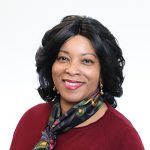 Patricia Jones (National Institute on Aging)
Patricia Jones, DrPH, MPH, MS, MBA leads the NIA’s efforts in stimulating health disparities research related to aging. Dr. Jones is the Director of the Office of Special Populations. In this position, she advances the science of eliminating health disparities, facilitates addressing health disparities through basic, clinical and translational and behavioral and social science research, supports developing initiatives that strengthens NIA’s research and training opportunities available to underrepresented persons, including minorities and women, and advises other senior staff on health research related to underrepresented populations; and directs the NIA Butler-Williams Scholars Program for early career aging researchers.
 Whitney Robinson (Duke University School of Medicine)
Dr. Whitney R. Robinson is an epidemiologist who specializes in quantitative methodology for studying health inequalities. She is an Associate Professor at Duke University’s School of Medicine in the Department of Obestetrics & Gynecology. She currently leads an NIH R01 that uses health care and administrative data to understand causes of racial/ethnic differences in treatment of conditions like fibroids, abnormal uterine bleeding, and endometriosis in the premenopausal period. The central motivation of Dr. Robinson’s research is showing how social and environmental factors underpin race and sex differences in health — even for inequalities sometimes presumed to be mostly biologically based, such as racial differences in cancer incidence or rates of hysterectomy. A common theoretical underpinning of her work is the life course framework, particularly hypotheses that exposures during critical periods in utero; during childhood; and at other life stages, such as the menopausal transition, have enduring effects on later adult health.
