
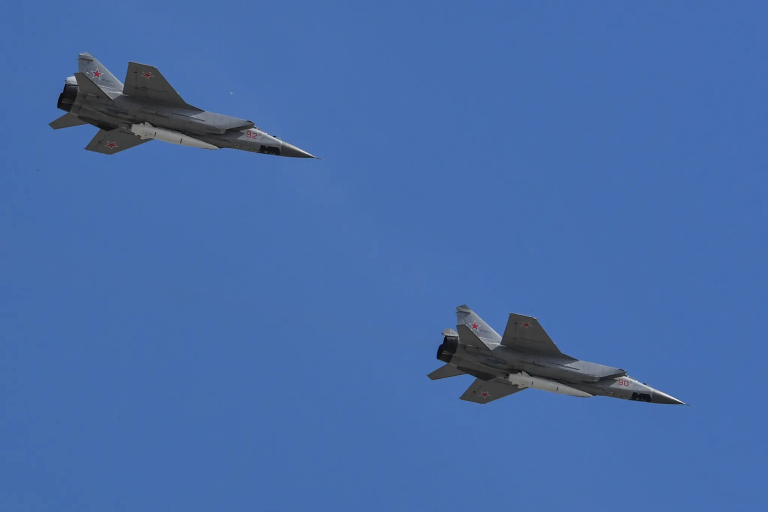
Photo: https://www.nytimes.com/2025/09/19/world/europe/russian-fighter-jets-estonia-nato.html
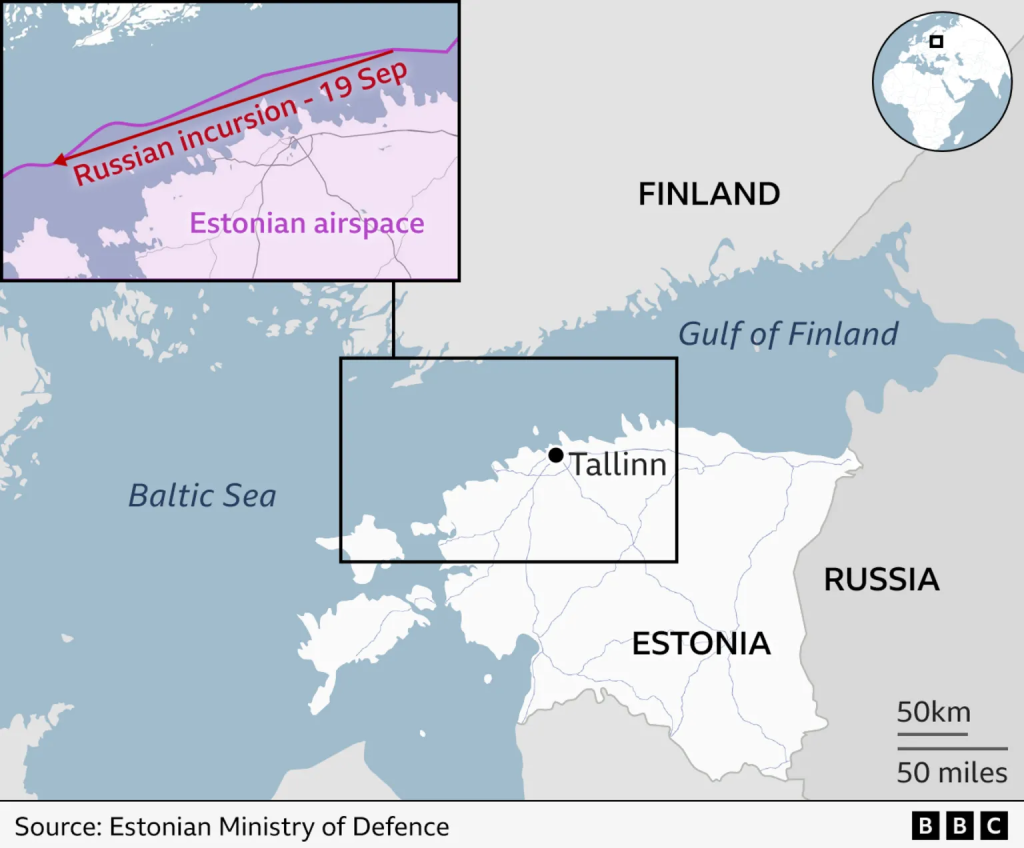
Tensions across NATO’s eastern flank escalated in September following a series of Russian airspace violations, constituting a violation of airspace sovereignty. On September 19, the Estonian government reported that three Russian fighter jets entered Estonian airspace without permission. The jets did not submit flight plans and had their radio switched off. This marks the fourth violation of Estonian airspace this year and the third Russian violation of NATO airspace within 6 days of the Romanian incursion.
NATO spokesperson Allison Hart issued a statement confirming that NATO responded to the incident and intercepted the Russian fighter jets. European Commission president, Ursula von der Leyen, says the European Union needs to “swiftly” approve the new package of sanctions against Russia. Germany also scrambled fighter jets in response to Russian aircraft flying without transponders over the Baltic, further escalating regional tensions. In addition to the Baltic, there have been violations in other parts of the continent, which caused serious alarm from the international community.
Pertaining to the Baltic states, unidentified drones were spotted over Denmark’s military sites. While the Danish did not “take them down,” civilian and military airports were shut down in response to these sightings. Moscow says it “firmly rejects” any suggestion that it was involved in the Danish incidents, and suggested it was “a staged provocation,” meant to aggravate the Kremlin. This incident happened days after Denmark announced it would acquire long-range precision weapons, which could threaten Russia.
These incidents followed a Russian drone that breached Romanian airspace on September 13. In response, Romania scrambled two F-16 fighter jets, which tracked the drone until it left the airspace. The drone did not fly over populated areas and did not pose an imminent threat to public safety, according to its foreign ministry. Romania condemned the incursion as a violation of its sovereignty and a threat to regional stability.
All of these violations started after the first incursion on September 9. Around 20 Russian drones entered Polish airspace, causing minor property damage but no casualties. Polish and allied forces intercepted these drones, with the majority being neutralised by the Dutch Air Force. The drones were detected over various regions, including the Lublin and Mazowieckie provinces, prompting major airports such as Warsaw International and Lublin to temporarily close.
In response to this violation, Poland invoked Article Four of the NATO treaty, which prompted consultations among NATO allies. Article Four is also the precursor to Article Five, which states that if a nation becomes the “victim of an armed attack,” all other nations within NATO shall come to its aid. The United States condemned the incursion as “unacceptable,” with Matthew Whitaker, US ambassador to NATO, confirming that the US will defend every inch of NATO’s territory. However, President Donald Trump suggested the breach could have been accidental, and expressed hope that “it’s going to come to an end”.
While the drones can carry ammunition, the drones on September 9 were duds. Poland’s foreign minister, Radosław Sikorski, said, “Russia tried to test us without starting a war.” This suggests that Russia is becoming bolder with its antics, especially after Putin met with Trump and even had the red carpet rolled out for him. This signifies that although many Western countries shunned Moscow, being backed by the most powerful country in the world reassures Putin and makes him more ambitious.
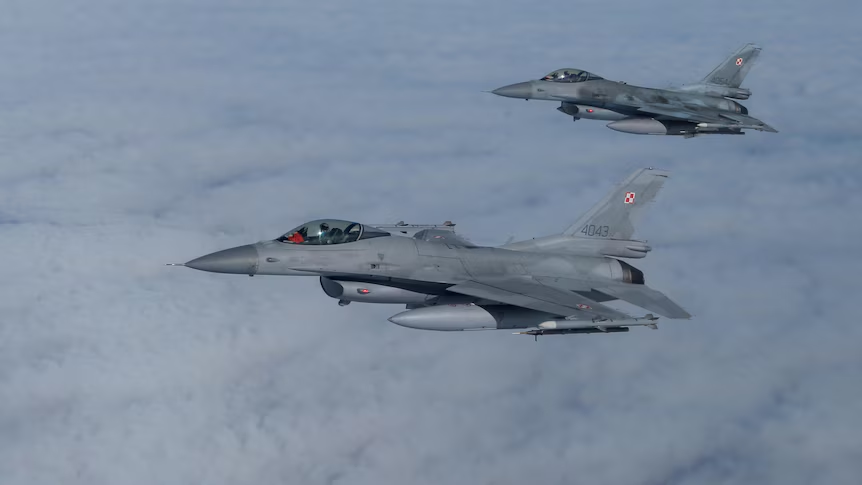
In response to Article Four being invoked, NATO launched Operation Eastern Sentry on September 12 to enhance defence capabilities along its eastern flank. After the Estonian breach, NATO announced it would “strengthen its deterrence and defence posture, including effective air defence.”
In short, NATO allies see the recent airspace violations as tests of Western resolve. Moscow denies any involvement and frames the accusations as Western provocations. While Operation Eastern Sentry reinforces deterrence across the eastern flank, the alliance remains cautious not to escalate the conflict further. The EU plans to impose new sanctions, signaling a collective pushback against Moscow’s aggression. The US’s response remains mixed as Trump’s dismissal of the breaches as “accidental” contrasts sharply with NATO’s warnings.

