Research

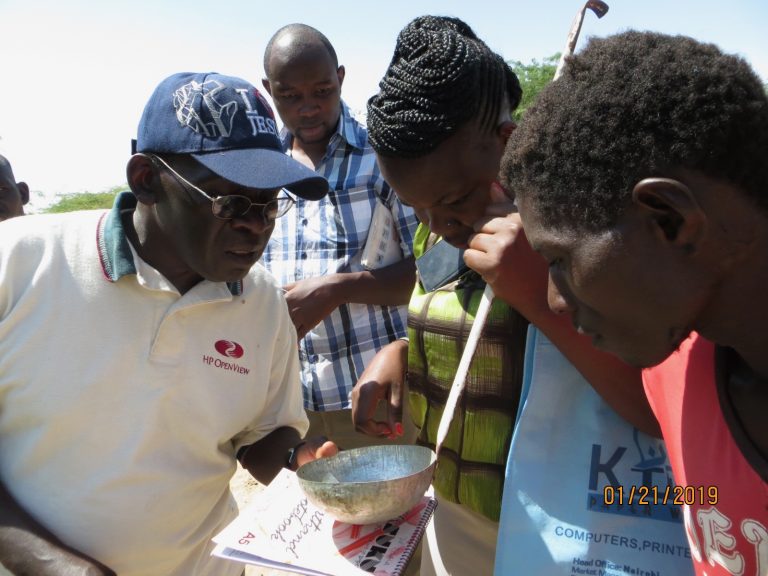
From basic science to implementation studies, our team works closely with community members in Western Kenya to understand how to improve health outcomes from the concerns that impact them the most.

MALARIA
Malaria continues to be one of the leading health concerns in rural Kenya, with elimination efforts having largely stagnated since the mid-2010s despite continued investment by 
health-based institutions, governmental entities, and multilateral agencies. Recent developments, such as the discovery of the invasive Anopheles stephensi mosquito in Kenya, may further undermine the progress that has been made so far. By studying drivers of malaria transmission, our team aims to help illuminate the path to a malaria-free Africa.

COMMUNITY HEALTH
Malaria symptoms are notoriously non-specific, meaning other illnesses can easily be mistaken for malaria. Understanding other causes of malaria-like symptoms and identifying patterns of health-seeking behavior among community members encourages appropriate fever case management within the existing health infrastructure.

OBAMA - Cohort Study

A longitudinal cohort study, assessing immunological responses to malaria infections with an eye towards improving vaccine design. Learn more.
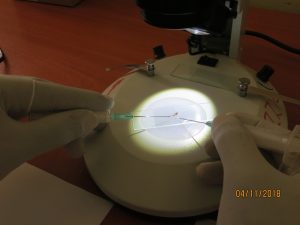
A surveillance collaboration designed to estimate the clinical cases and silent reservoir of P. vivax malaria as well as the spread of An. stephensi mosquitoes to describe the changing landscape of malaria in northwestern Kenya.. Learn more.
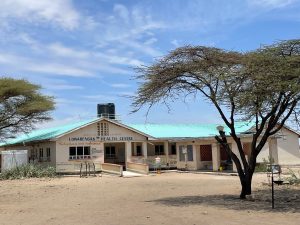
A formal evaluation of an innovative seasonal malaria chemoprevention program targeting a pastoralist population in northwestern Kenya.  Learn more.


A clinical trial evaluating the use of varied pricing structures to improve appropriate use of first-line antimalarials in private retail shops in Kenya and Nigeria. Learn more.

A longitudinal cohort study leveraging parasite and human genetic signatures to observe individual human to mosquito transmission events.

A qualitative study in an arid region of Northwestern Kenya, collecting information on water gathering, storage, and usage patterns in a rural, semi-nomadic community.

An engineering project, aimed at developing a low-cost, sustainable device to monitor water stagnant water and prevent mosquito breeding in hand-dug irrigation channels in a semi-arid region of Kenya. 

A clinical study characterizing virus etiology among patients presenting to a local hospital with pneumonia as part of a larger novel virus surveillance pilot study.

A pre-post study, quantifying malaria prevalence in nomadic groups in Northwestern Kenya before and after seasons of travel to understand how movement and intermixing impacts malaria infection.

A survey study stationed at key entry points to rural Northwestern Kenya, assessing malaria burden among travelers into and out of the region to estimate whether local cases are imported or endemic.