
PRECISION HEALTH AND MEDICINE OBSERVATION LABORATORY

ABOUT OUR LAB
The Precision Health and Medical Observation Laboratory at Duke Kunshan University pioneers interdisciplinary research at the intersection of computer science, brain-inspired intelligence, and precision medicine. With translational expertise in medical imaging and bioelectrical digital twin technologies, the lab develops integrated solutions for brain health perception, diagnosis, intervention, and management. By building cloud-based research platforms and foundational datasets, we advance intelligent medical systems and AI-driven analytics for neural computation, brain–computer fusion, and large-scale precision health applications.
Equipped with advanced computational and signal analysis tools—including high-performance computing clusters, storage systems, biomedical sensors, and Brain Vision Analyzer software—the lab provides a robust infrastructure for cutting-edge experimentation. Supported by the DKU Center for Data Science and the Kunshan Supercomputing Center, we benefit from comprehensive IT, administrative, and spatial resources, ensuring the seamless execution of complex interdisciplinary projects.
Our laboratory maintains long-term academic partnerships with leading hospitals in China and international research institutions. Positioned at the forefront of AI-driven healthcare, we are committed to transforming technological innovation into real-world medical impact.
GLOBAL ACCOMPLISHMENTS
Our research has gained broad attention across China, the United States, and international media, reflecting strong social and academic influence.
International Academic Awards:
IEEE Health Summit COVID-19 Data Hackathon – Second Prize
IEEE/ACM Connected Health Conference (CHASE): Best Paper Award
Innovation Research Awards:
International Big Data Mining Competition – Best Design Team
Entrepreneurship & Innovation Awards:
China Innovation and Entrepreneurship Competition (Jiangsu Regional Finals) – Second Prize (Team Category)
Academic Engagement:
Presentations and collaborations at major international conferences, including IEEE Bioinformatics and Bioengineering Conference and the Conference on Implantable and Wearable Body Sensor Networks.

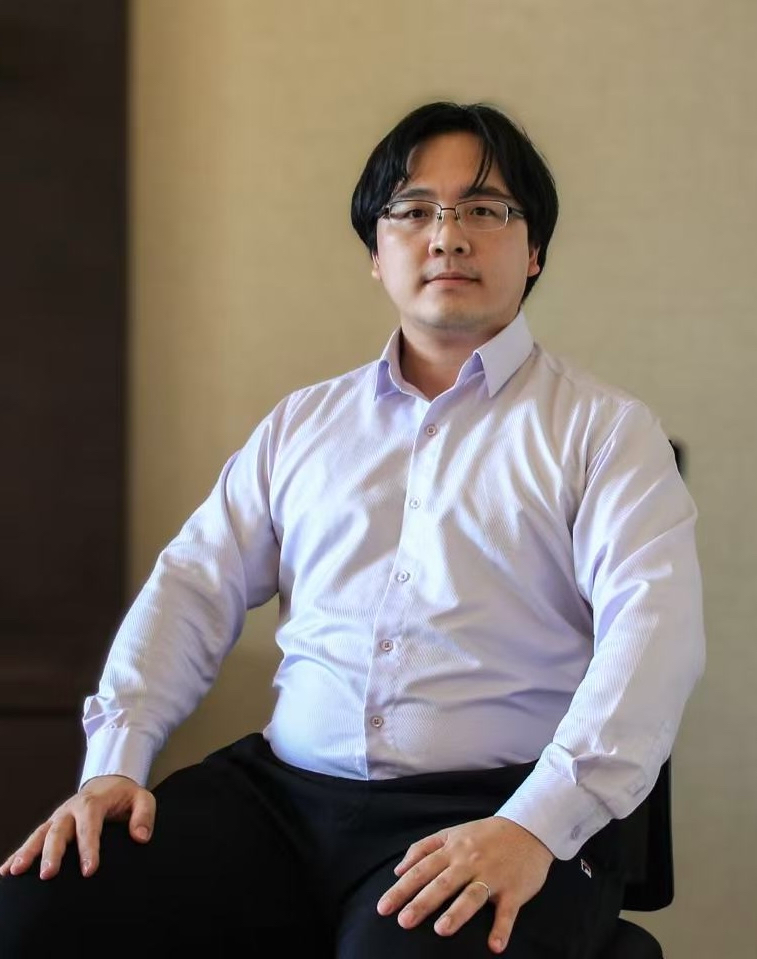
LAB PI - PROF. MING-CHUN HUANG
黄名畯教授
Associate Professor of Data and Computational Science, Duke Kunshan University
Prof. Ming-Chun Huang has a B.S (2007) in Electrical Engineering at Tsing Hua University, Taiwan, an M.S. (2010) in Electrical Engineering at the University of Southern California, and a Ph.D. (2014) in Computer Science at the University of California, Los Angeles. Prior to joining Duke Kunshan University in 2021, he was an Associate Professor at Case Western Reserve University (2014-2021). His research focus is the intersection of Precision Health and Medicine, Internet-of-Things, Machine Learning and Informatics, and Motion and Physiological Signal Sensing. He had over 15 years of research experience conducting interdisciplinary scientific projects with researchers from distinct areas (e.g., Biomedical Engineering, Medicine, and Nursing). He had successfully administered past funded projects and productively published over a hundred peer-reviewed publications and inventions, and won 7 best paper awards/runner-up. His research has been reported in hundreds of high-impact media outlets. For the nature of richness and high impact of the research topics he was involved in, his research results in a plethora of new knowledge in aspects ranging from innovative IoT sensing technology, closed-loop AI analytics methodology, optimized clinical decision-making, and just-in-time patient risk assessment.
MEET OUR MEMBERS
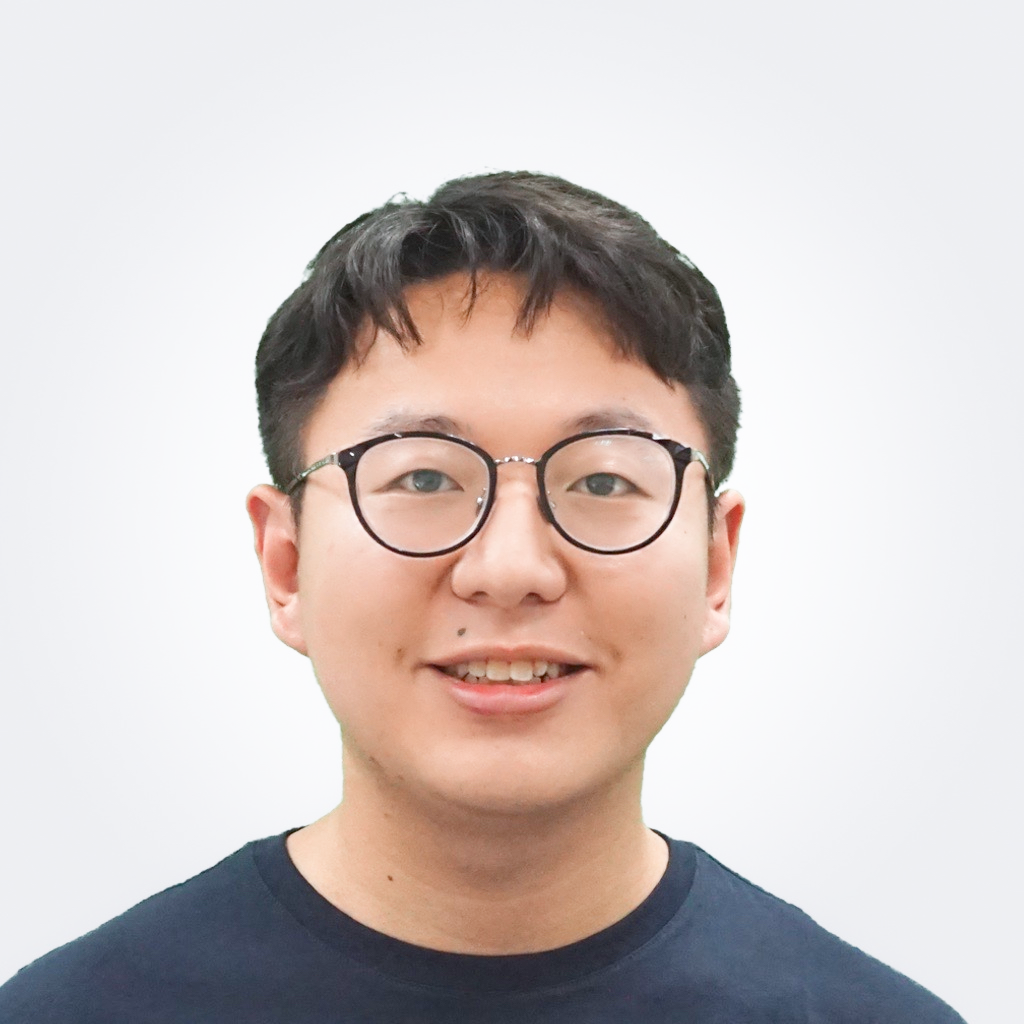
Dongsheng Cheng
Research Fellow
HCI for AI & Healthcare
“I’m an HCI researcher focused on designing technology that feels intuitive, supportive, and genuinely human-centered. I joined Prof. Huang’s lab in July 2024, where I participated in designing and developing a digital health platform for Digital Health Twin to make machine learning models more accessible for patients with Parkinson’s and Alzheimer’s. I also mentor undergraduate students in UI/UX design and user research. My passion-driven independent research is creating human-like AI tools that create warmer, more relatable user experiences, especially for mental health and accessibility. I’m committed to building technology that people can trust, feel comfortable with, and truly feel was made for them.”

Haipeng Wang
Research Fellow
AI for Health
“I found Prof. Huang’s research on the university website—his work on AI for healthcare perfectly matched my interests, so I reached out and joined. In the lab, I contribute wherever I can: developing deep learning models for brain-computer interfaces, mentoring students, and co-authoring papers. Right now, I’m working on Digital Health Twin, a project using EEG signals to predict cognitive performance and mental health indicators. What drives me is curiosity—I love exploring how neural data can reveal hidden patterns about brain health. These experiences have deepened my passion for AI + health research, and I’m planning to pursue a PhD in this field.”

Zixu Geng
Research Fellow
Multimodal for AI & Healthcare
“I joined Prof. Huang’s lab in 2024 and collaborated with him on several projects related to physical and cognitive health. One of them, a system called Digital Health Twin, involved building a cloud-based platform for early-stage Parkinson’s screening using multimodal data. I led the model development and system deployment, working with EEG, motion, and speech signals. We implemented a real-time processing pipeline using AWS and worked closely with clinicians to refine the outputs for real-world use. Other projects included frailty detection using ambient video and environmental cues, as well as fine motor assessment for children with developmental delays.”

Kendi Miriti, Class of 2026 - Undergrad Student
“I’m Kendi Miriti, a senior majoring in Computer Science. I first interacted with Prof. Huang in Spring 2024 when taking CS306 and CS205. The following summer, he granted me access to his lab where I began exploring cloud data pipelines and later afterwards I asked him to be my Signature Work mentor. My Signature Work focuses on evaluating performance metrics between serverful and serverless data analytics pipelines, and I have continued developing this project under his guidance. “

Maryana Malyushytska, Class of 2026 - Undergrad Student
“I’m Maryana Malyushytska, a senior majoring in Applied Mathematics and Computational Sciences with a track in Computer Science at Duke Kunshan University. I first connected with Prof. Huang during my sophomore year through coursework in Computer Organization and Programming (CS205) and Image Data Science (CS207), the latter of which not only provided me with fundamental image processing skills but also with an excitement for the vast realm of possibilities in terms of their medical application. As a member of the lab under the guidance of Prof. Huang, this interest blossomed into my Signature Work project on direct head CT sinogram abnormality classification using a convolutional neural network architecture to bypass the computationally intensive image reconstruction process typically implemented in clinical settings. I plan to apply my experience and passion for applied machine learning, imaging, and device innovation to healthcare through future graduate study in Biomedical Engineering.”
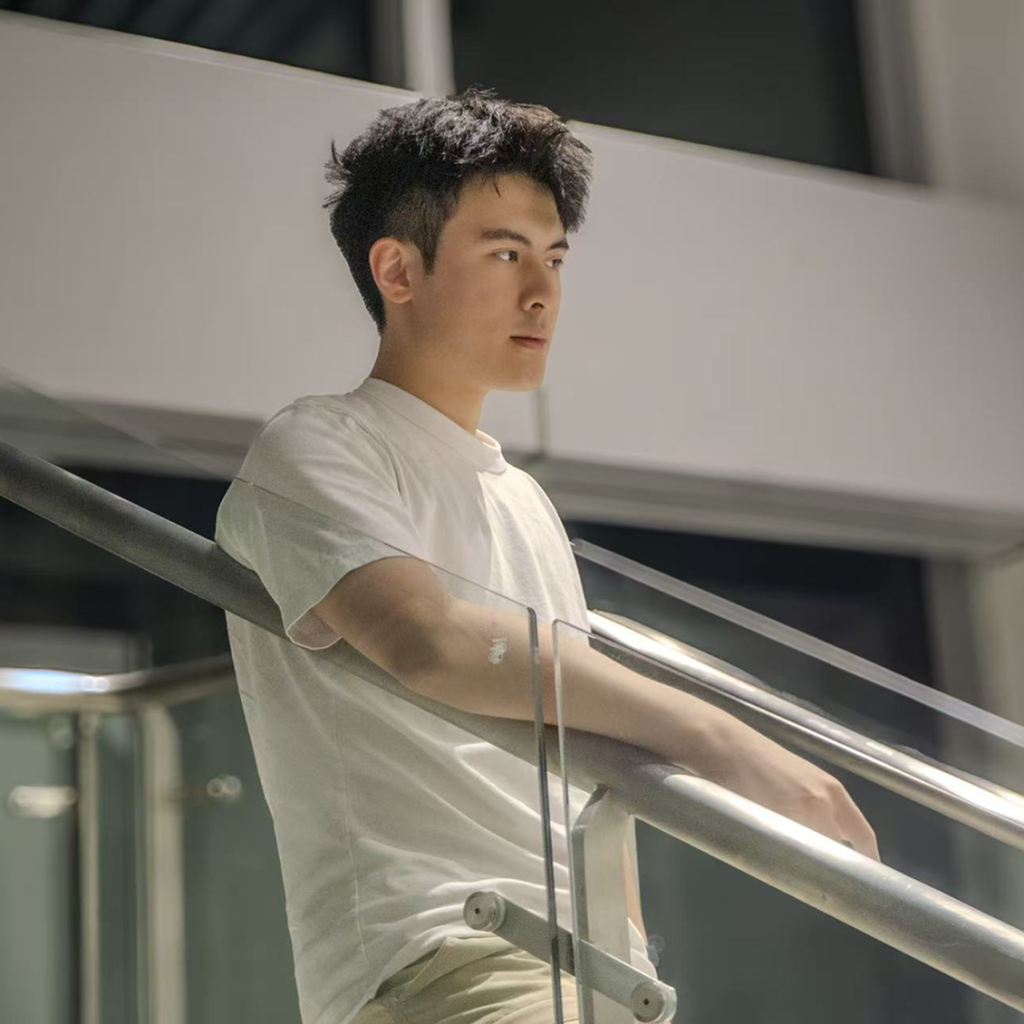
Shanruo Xu, Class of 2026 - Undergrad Student
“I am Shanruo Xu, a Computer Science major on the Applied Mathematics track at Duke Kunshan University. I first got to know Prof. Huang in my first year and formally met him in Session 1 of my sophomore year as a student in CS205. Since then, I have been working in his lab, where I am currently preparing tutorial materials for new members and collaborating on a paper that applies deep learning models to brain-computer interface (BCI) data. My experiences in Prof. Huang’s lab are shaping my long-term interest in machine learning for healthcare and BCI, and my plans for future graduate study.”

Xinyun Wang, Class of 2026 - Undergrad Student
“I am Xinyun Wang, a Computation and Design major (CS track) student at DKU. I first became interested in Prof. Huang’s research in my sophomore year and formally joined his lab after taking CS205 in my junior fall. I am currently working on a mobile and wearable-based smoking cessation system by developing a cross-platform Flutter app with features such as behavior monitoring, data visualization, and interactive interventions. My experiences in Prof. Huang’s lab have strengthened my interest in bioinformatics, health data science, and biomedical engineering. I hope to further pursue these areas in my future studies.”

Lyuheng(Jessica) Cai, Class of 2026 - Undergrad Student
“I am Lyuheng Cai (Jessica), a Data Science student at Duke Kunshan University. I first met Prof. Huang in the CS205 course during my sophomore year. Later on, I took his CS207, which systematically introduced the application of data science in image processing and sparked my interest in this field.After that, I joined Prof. Huang’s meaningful “Xing Huo” Program, participated in the development of Python course resources and video recording. As a mentee under Prof. Huang’s guidance, I’m conducting an MRI-based Alzheimer’s disease analysis and visualization project. Therefore, in the future, I hope to further specialize in specialized disease diagnosis and expand into healthcare big data analysis. This will also be the core direction of my graduate studies.”

Wenyi(Demi) Zhang, Class of 2026 - Undergrad Student
“I am Wenyi (Demi) Zhang, Class of 2026, majoring in Applied Mathematics and Computational Sciences – Computer Science track at Duke Kunshan University. I first met Prof. Huang in Fall 2024 through his course and later joined his lab as an undergraduate researcher. Previously, I worked mainly on applied computing projects in mobility analytics and responsible AI for telemedicine, which strengthened my software development and data-analysis skills. In Prof. Huang’s lab, I am now working on my Signature Work project, Self-Portrait in Process, a camera-based interactive portrait system where real-time hand-gesture keypoint tracking drives live image deformation, and environmental audio is fused into a modular rendering pipeline to create sound-responsive visual effects. Prof. Huang and the lab have given me strong guidance and a space to experiment, helping me turn my applied computing background into a more research-driven, exploratory process.”
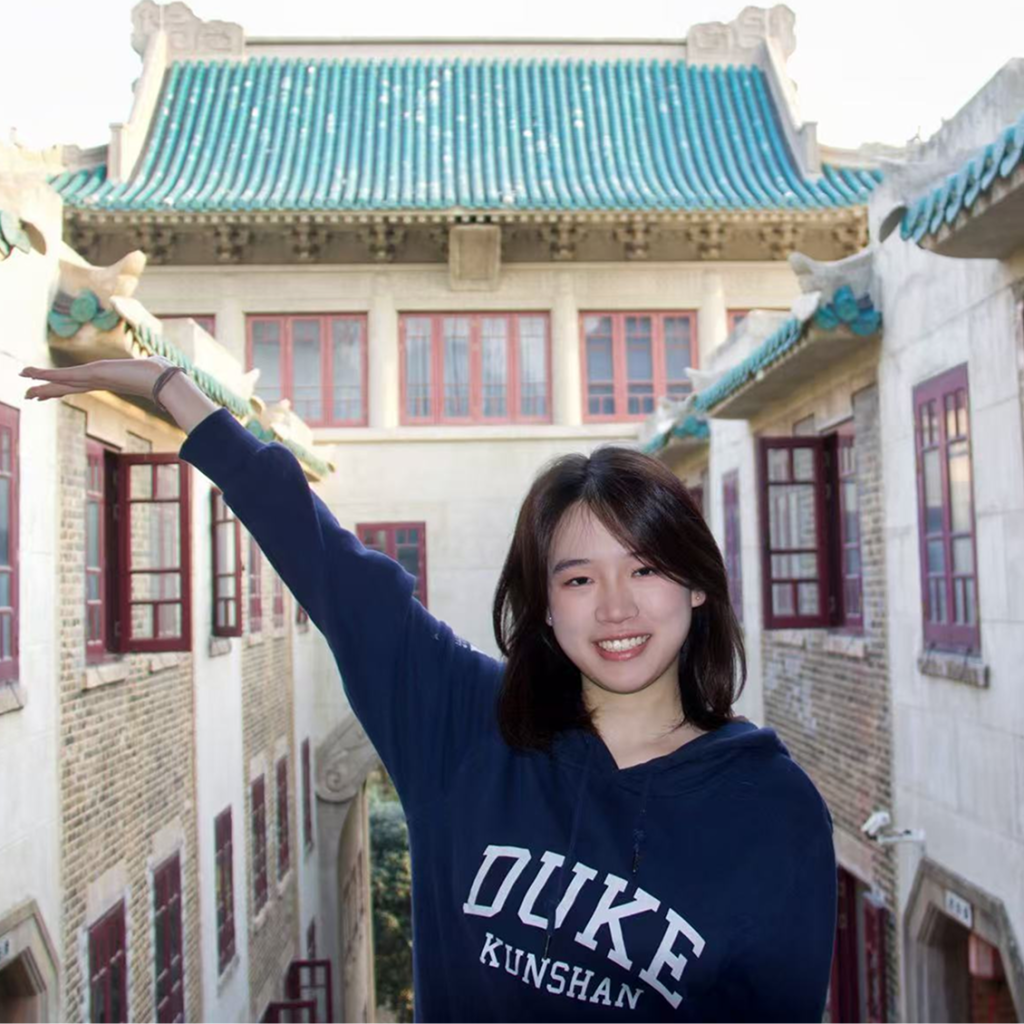
Xinyuan Lan, Class of 2027 - Undergrad Student
“I am Xinyuan Lan, class of 2027, majoring in the Computation and Design track in Digital Media. I first met Professor Huang when I applied for the 2025 summer research program, which introduce me to research in computation, interactive media, and digital health. I am currently working in the lab as a student researcher, focusing on the NeuroEmo Device, an interactive installation that translates human emotions into multisensory experiences. My work involves real-time facial emotion recognition, emotion-to-brain-region mapping, and the design of a 3D-printed physical brain model with integrated visual and multisensory feedback. In addition to the research components, I am also deeply interested in interactive installations, human–computer interaction, and sensor-based systems.”
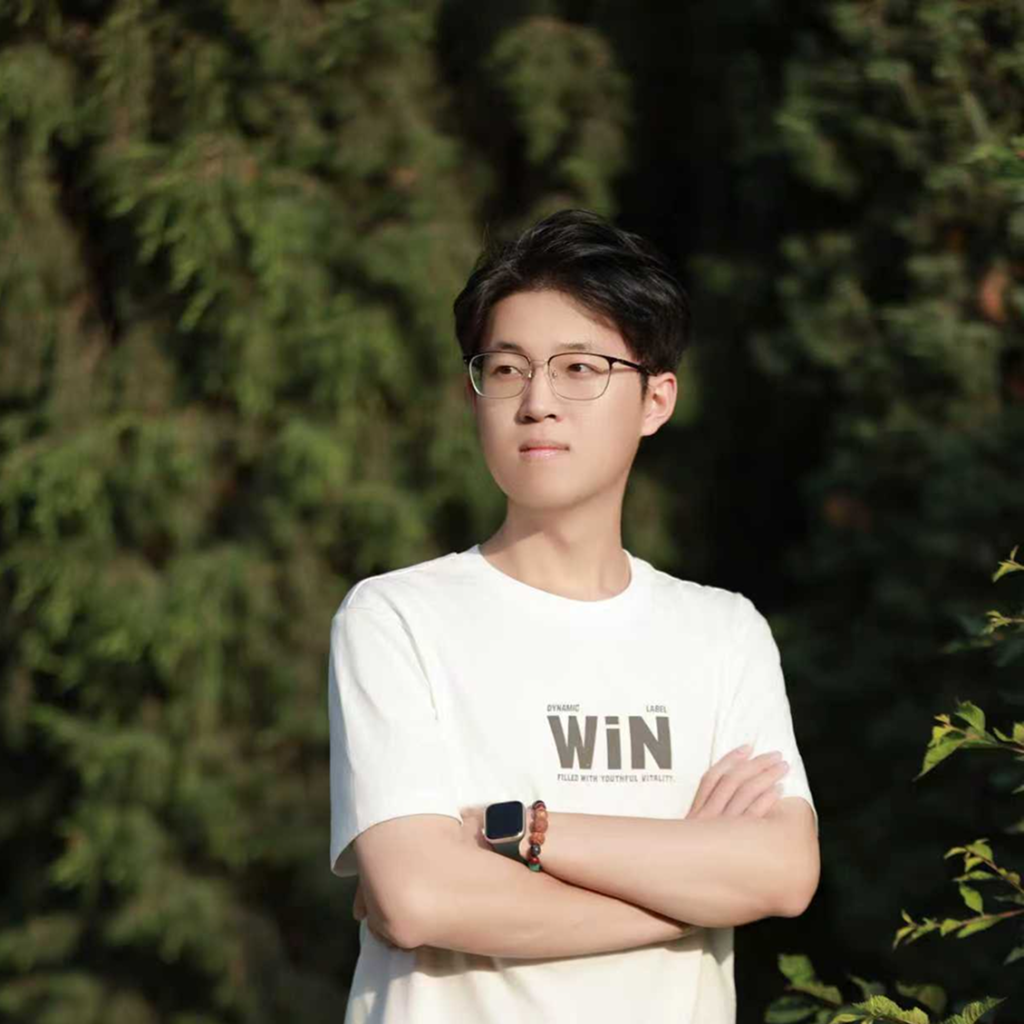
Kaishen Zhang, Class of 2027 - Undergrad Student
“My name is Kaishen Zhang. I am an Applied Mathematics major (CS track) at Duke Kunshan University. My journey with Prof. Huang’s lab began by chance. I first met Prof. Huang during my sophomore year while volunteering to guide visiting scholars on campus. That conversation sparked a genuine curiosity in Brain-Computer Interfaces (BCI) that I couldn’t forget. Now, my research focuses on exploring different BCI paradigms to improve accuracy and applying them to game design. I also use VR technology as a tool to further enhance the immersion of these BCI-controlled games. Inspired by the lab’s creative energy, I aim to use machine learning not just to improve user experience, but to bridge the gap between mind and machine. Ultimately, I wish to redefine how human beings interact with the digital world.”
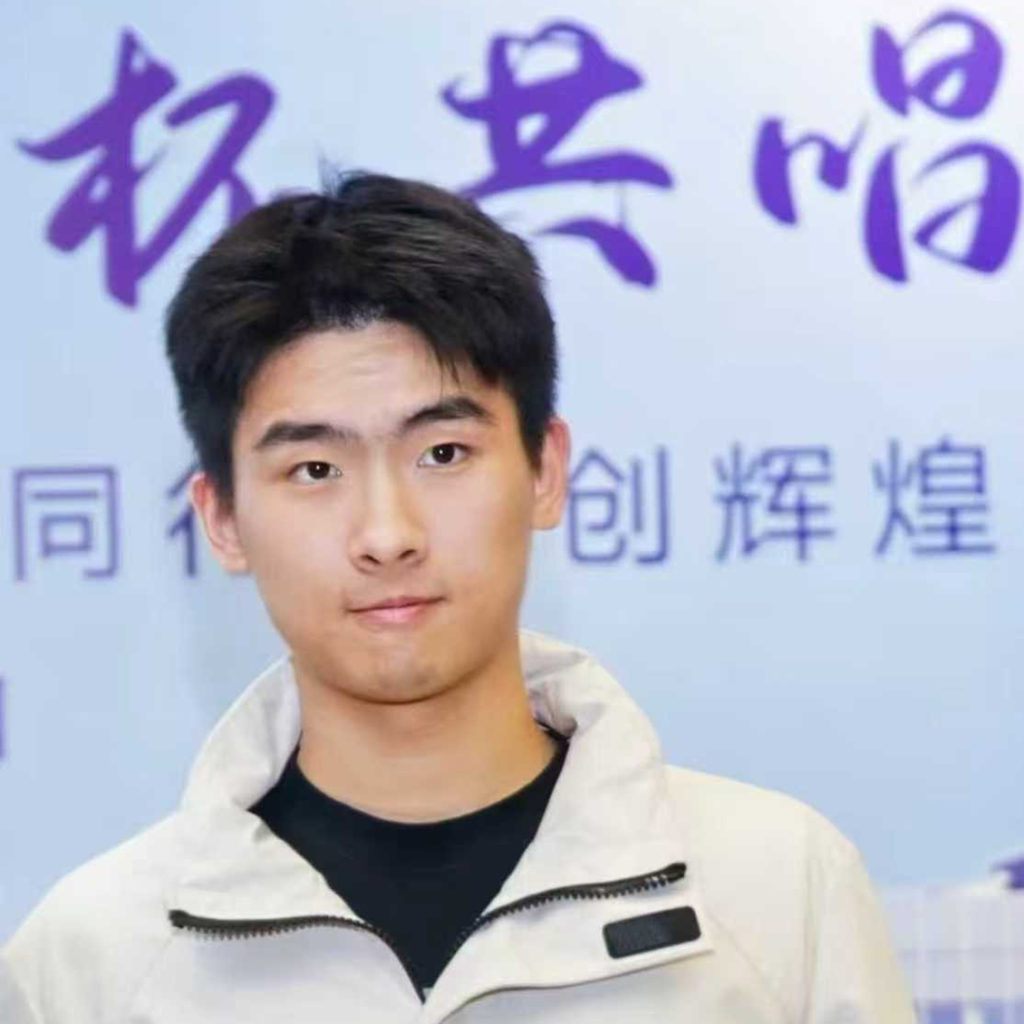
Yihang Zou, Class of 2027 - Undergrad Student
“I first met Prof. Huang in Spring 2024 through his CS 205 course, where I became interested in his research connecting computational science with human movement and healthcare. Since then, he has supervised both my DaChuang Inovation project and my SRS summer research, including work on indoor navigation with RFID designed for the blinds and badminton motion analysis using video and Vicon data. These experiences have strengthened my interest in sensing, multimodal data, and applied machine learning. Looking ahead, I hope to explore how IoT systems and intelligent agents can create more adaptive and AI-augmented real-world environments in my future graduate studies.”
Contact Us
Academic Building 3219, Duke Kunshan University, No.8 Duke Avenue, Kunshan, Jiangsu, China
(+86) 0512-3665-7861
Ming-Chun Huang mh596@duke.edu

