

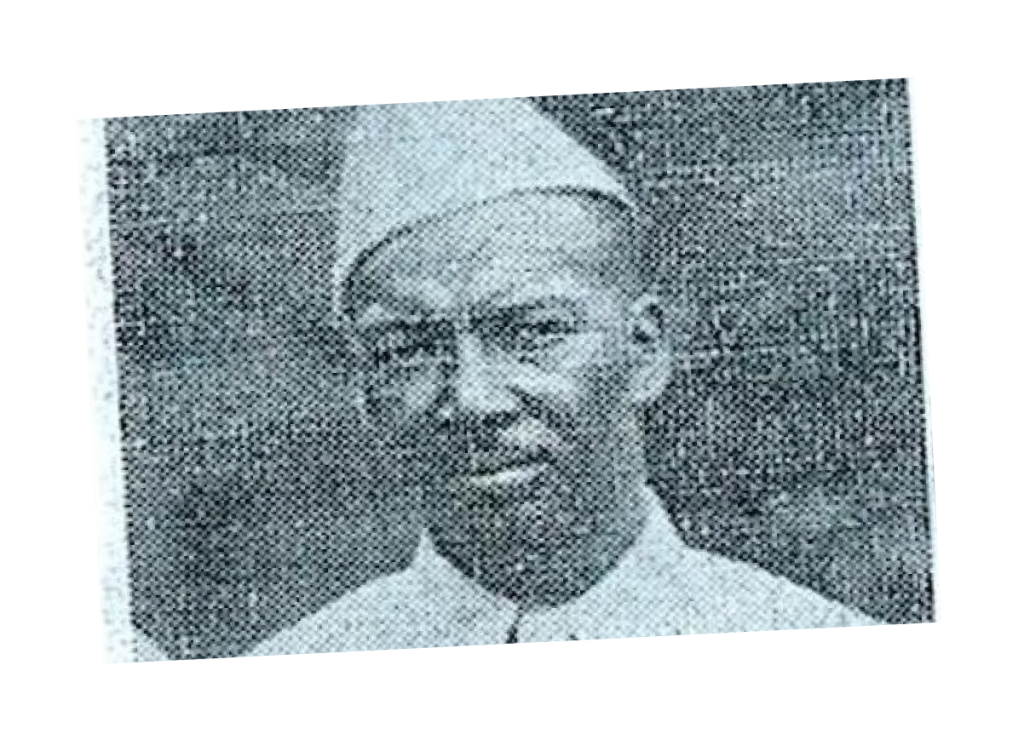
THE BOOKER T. SPICELY STORY
During World War II, Butner, North Carolina, a small town roughly 15 miles from downtown Durham, was home to an encampment that could accommodate approximately 35,000 enlisted men. Soldiers stationed there often took the bus from the camp into Durham to enjoy the nightlife and entertainment. On July 8, 1944, Private Booker T. Spicely, a Black soldier, was returning to the camp when he boarded a bus in downtown Durham.
Originally from Philadelphia, Spicely was not familiar with the South’s Jim Crow rules as they pertained to segregated seating. He initially sat in the second seat from the back. When several white soldiers boarded the bus, the driver, Herman Lee Council, instructed him to move to accommodate the new passengers. Spicely initially resisted, stating that he was wearing the same uniform as the other soldiers and also fighting for democracy. After a brief exchange, Spicely relented and gave up his seat. As he exited the rear of the bus, witnesses say he apologized to the driver for any offense he may have caused. Council exited the front of the bus, drew a revolver, and shot Spicely twice in the chest. The driver then reboarded the bus and continued his route, leaving Spicely bleeding on the of the side of the road.
Spicely was transported to Watts Hospital, just a few blocks from where he was shot, where he was refused service because of his race. He was then taken to Duke Hospital where he was pronounced dead.
Herman Lee Council was later arrested and tried for Spicely’s killing. An all-white jury acquitted him in 28 minutes. Council retained his position as a city bus driver, but was given an alternate route.
Over the years, the story faded from public discussion and became largely unknown. More recently though, the North Carolina Department of Natural and Cultural Resources (following a lengthy campaign from The Booker T. Spicely Committee) erected a state marker at the corner of Broad St. and Club Blvd. in Durham in front of the old Watts Hospital building and just a short distance from where Pvt. Spicely was shot. It is the first marker (out of over 2,000 in the state) to reference Jim Crow laws.
