

OUR WORK IN DURHAM
Our work is ongoing and is dedicated to using the arts to share and spread the tragic story of Pvt. Booker T. Spicely to citizens of Durham and beyond.
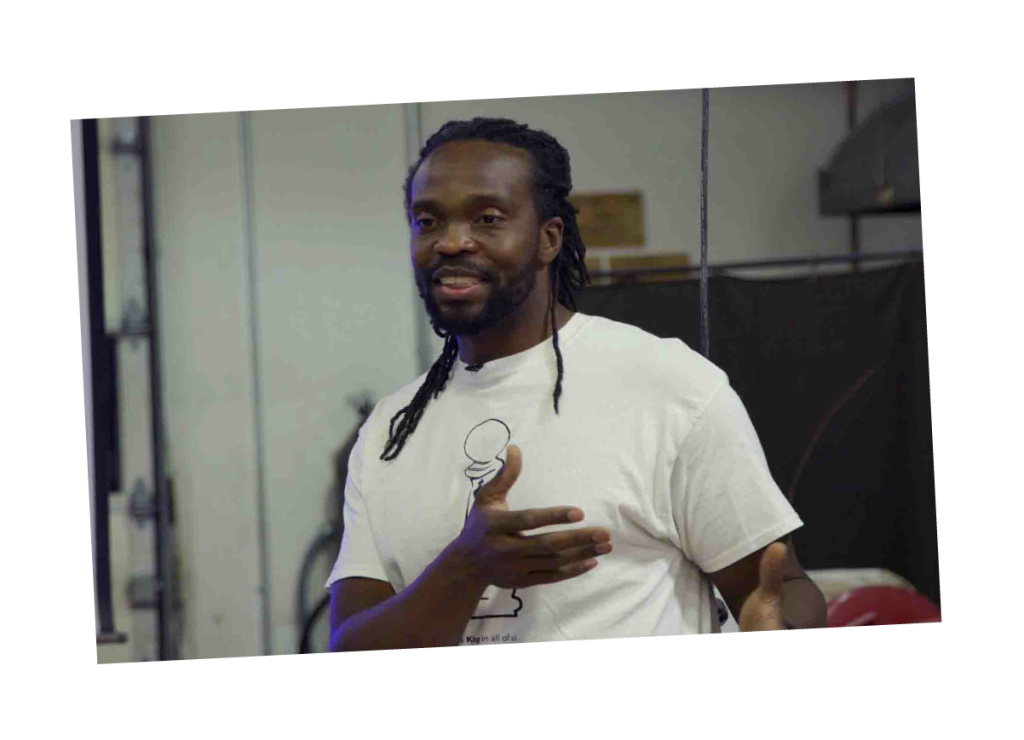
As our research regarding Durham’s history continued, the team also held a series of conversations with artists whose works are known both locally and nationally to gain a clearer understanding regarding how communities interpret hallowed, consecrated and sacred grounds through the visual and performing arts.
We explored how artists take the grist of human experiences in all its raw forms, and sift through in search of true and cathartic elements to transform those details into art. We studied how art is used to address difficult historical events and contemporary issues that need new interpretations to reach broader audiences. We believe theater, film, performing, and visual arts are valuable tools of communication that can mirror and stimulate social change.
To that end, our conversations included time with:
- Michelle Lanier – Director of NC Historic Sites
- Courtney Reid-Eaton – artist, documentarian and folklorist
- Mary D. Williams – Folklorist, Vocalist, and Gospel Scholar
- Lynden Harris and Katherine Hunter-Williams of Hidden Voices – an arts collective that collaborates with underrepresented communities to create performances, exhibits, and media that explore difficult social issues.
- Sonny Kelly – Actor and Playwright
- Bill Amey – Durham musician and Stagville Plantation descendent
- Steven Hayes – Sculptor
- Aya Shabu – Choreographer and Leader of Whistlestop Tours (Durham history walking tours)
- James Williams, attorney and chairman of the Booker T. Spicely Committee and head of the North Carolina Commission on Racial and Ethnic Disparities in the Criminal Justice System and John Schelp, Durham historian
Moving forward, our team will focus on research and local and national creative productions regarding the hallowed ground in Durham, NC where Private Booker T. Spicely was murdered in 1944. When our class reconvenes in Spring 2025, we will be working with the Booker T. Spicely Committee, exploring a variety of ways to inform the Durham community about the largely unknown events surrounding the murder. These could include community exhibits, on-campus speakers at Duke University, dramatic collaborations with local schools and more. This site will be updated with these details as our work continues.
